Humanity possesses an unyielding addiction to patterns. When disaster strikes, our collective consciousness immediately begins scanning the wreckage for order. We search for symmetry in chaos, hidden codes in wreckage, and chronological coincidences that might explain the unexplainable. Enter the 26th effect. Across modern history, a disproportionate share of catastrophic failures, financial market plunges, and industrial disasters seem to cluster around the twenty-sixth day of the month.
Skeptics dismiss this as sheer coincidence, statistical noise generated by random distribution across a standard calendar. Yet, investigative analysis of institutional behavior reveals a more troubling structural reality. The human systems governing our world operate on rigid, artificial timelines. End-of-month reporting cycles, bureaucratic review boards, and operational fatigue peaks converge predictably at specific calendar intervals. When safety margins erode, the calendar acts not as a mystical curse, but as a silent amplifier of systemic human error.
The Chronology of Failure
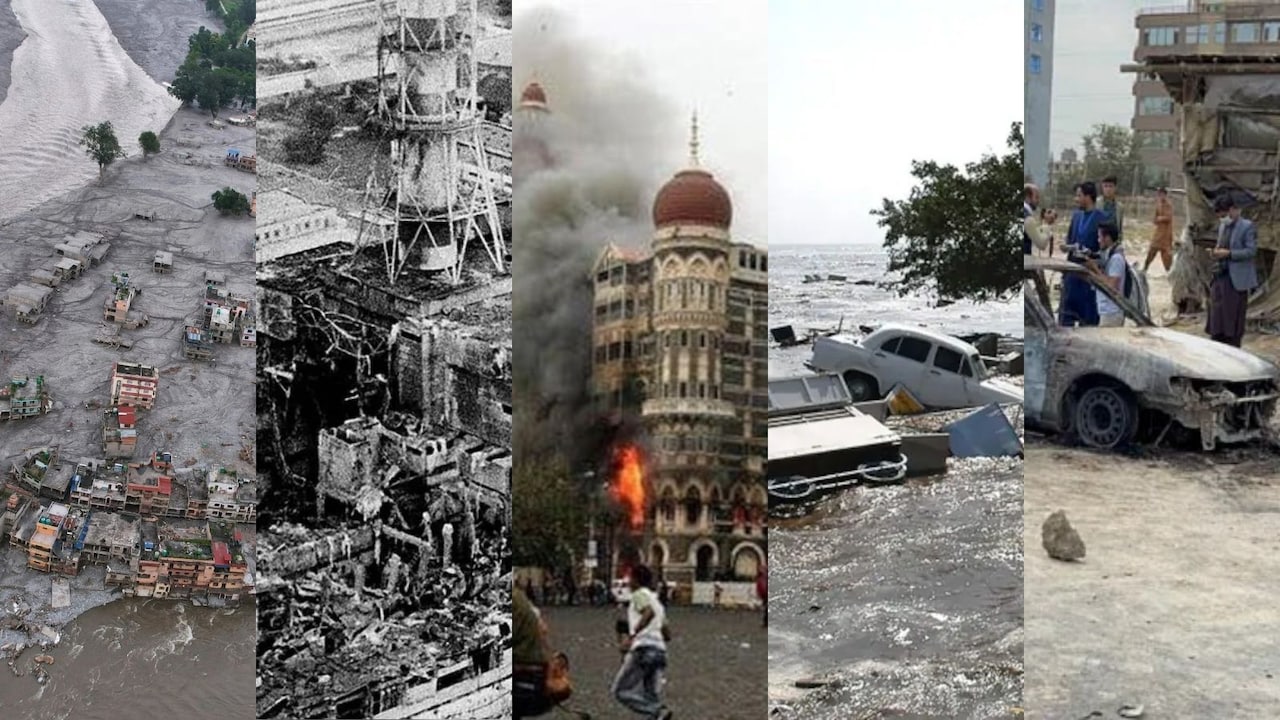
History offers a disturbing ledger of major incidents landing squarely on or around the twenty-sixth. Consider the Chernobyl disaster, which began in the early hours of April 26, 1986. While the roots of the nuclear catastrophe ran deep into flawed Soviet reactor design and poor operational culture, the fatal unauthorized test was executed under intense pressure to meet administrative production targets before a looming reporting deadline.
Decades later, financial markets experienced similar calendar-driven shocks. Black Monday on October 27, 1987, saw the Dow Jones Industrial Average plummet by over twenty-two percent, following severe destabilization that accelerated through the final week of the month. Program trading algorithms, executing automated stop-loss orders, interacted with exhausted human traders facing monthly accounting reconciliations.
These events share a common DNA. They are rarely the result of a single catastrophic failure occurring in a vacuum. Instead, they represent the accumulation of deferred maintenance, ignored warnings, and cultural rot meeting an inflexible institutional milestone.
Institutional Fatigue and the Calendar Trap
Large organizations operate on artificial rhythms. Quarters end, months close, and budgets reset. This creates predictable behavioral spikes.
During the final week of any standard operational cycle, middle management faces immense pressure to clear backlogs, hit quotas, and present clean metrics to executive leadership. Safety audits are quietly deferred. Maintenance windows are compressed to avoid downtime during peak production hours. Operational shortcuts multiply because everyone is too busy chasing a metric to notice the frayed cable.
When a high-stakes facility or financial institution reaches the twenty-sixth day of a demanding month, cumulative fatigue reaches its apex. Personnel are working overtime. Verification steps are skipped under the assumption that someone else already double-checked the work.
This phenomenon explains why complex systems fail precisely when they are pushed hardest. The calendar does not cause the disaster. The institutional structures tied to the calendar manufacture the vulnerability.
Unpacking the Psychological Bias
To understand why the twenty-sixth holds such a peculiar place in disaster lore, one must examine apophenia, the human tendency to perceive meaningful patterns within unrelated data sets. With twelve months in a year and roughly thirty days in each, any specific date will inevitably accumulate a share of tragic historical events.
If researchers analyze every date from the first to the thirty-first, clusters will emerge purely by chance. Human memory is remarkably selective. We remember the dramatic coincidence and forget the thousands of days where nothing catastrophic happened on the twenty-sixth.
However, ignoring the psychological illusion should not lead to complete dismissal of structural timing. While the specific number twenty-six lacks mystical properties, the late-month period is a verified zone of high organizational risk. By focusing on an arbitrary date, popular culture stumbles onto a genuine operational truth. Systems break down when humans are exhausted, rushed, and governed by arbitrary deadlines.
Redesigning Human Systems
Recognizing that artificial timelines exacerbate risk changes how organizations must approach crisis prevention. Modern corporate governance and industrial safety protocols must decouple critical safety reviews from arbitrary calendar milestones.
If a safety audit or maintenance check is scheduled for the end of a reporting period, it faces a high probability of being rushed or pencil-whipped to satisfy administrative demands. Forward-thinking operations are shifting toward rolling safety assessments and independent oversight bodies that answer to operational reality rather than monthly balance sheets.
Until institutions restructure their internal pressures, the cycle will continue. The next major failure will not happen because of a cursed date on the wall. It will happen because humans built systems that reward speed over safety precisely when they can least afford the mistake.