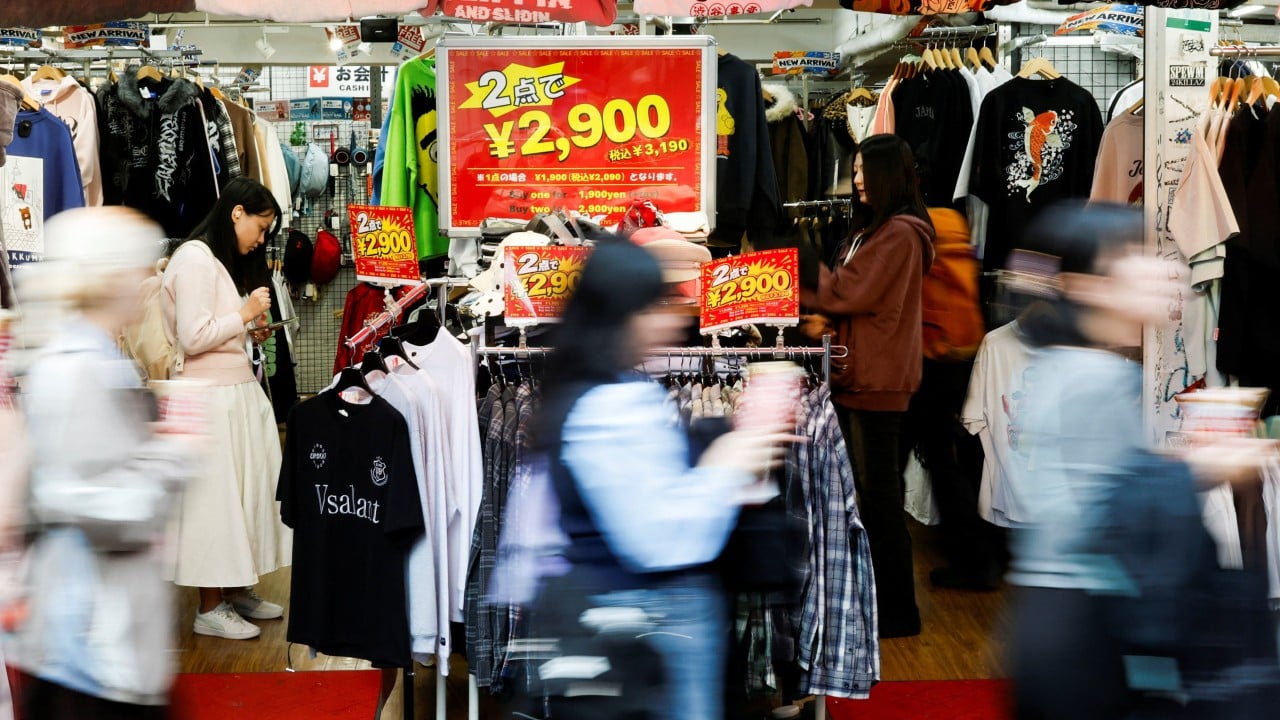
Standing in a winding department store basement queue in Tokyo just to claw back ten percent on a bottle of whiskey or a skincare haul used to be a rite of passage. A miserable one. You'd hand over your passport, wait while a clerk stapled flimsy receipts into the pages, and pray you didn't accidentally rip the sealed plastic bag before clearing customs at Narita or Kansai.
That entire headache has officially been flipped on its head. Meanwhile, you can explore other stories here: Why Showing Up on Sunday Is the Only Way to Truly Understand Dia de los Muertos.
Japan overhauled its consumption tax-free shopping rules, shifting the refund process directly to the airport upon departure—and travellers from Hong Kong and across Asia are already reporting clearance times under sixty seconds. If you're planning a trip to Japan in 2026 or beyond, the old advice from travel blogs and YouTube vlogs is actively going to waste your time. Let's look at how the Japan airport tax refund system actually works right now, why Tokyo made the change, and how you can breeze through the terminal without losing a single yen.
Why Japan Scrapped In-Store Tax-Free Shopping
For years, Japan operated on an honor system that leaked money like a sieve. Under the old rules, tourists paid the tax-free price right at the cash register in stores like Don Quijote, Bic Camera, or Isetan. You promised not to open your snacks, cosmetics, or electronics until you left the country, and customs officials rarely had the staff to check every single carry-on bag at the gate. To see the complete picture, check out the excellent analysis by The Points Guy.
People abused it. Heavily.
According to investigations by Japan's National Tax Agency and the Ministry of Finance, hundreds of millions of dollars in tax-free goods were being illegally resold inside Japan before buyers ever boarded a flight. Some foreign visitors were purchasing luxury watches, designer bags, and bulk electronics tax-free, handing them off to domestic resellers on the street, and pocketing the ten percent margin. When customs officers actually did pull big spenders aside at the airport, many couldn't produce the goods—and simply left the country without paying the back taxes owed.
Tokyo had enough. Approved under the government's tax reform framework and rolled out nationwide in November 2026, the revised system eliminates point-of-sale tax exemptions entirely. Now, everyone pays the full tax-included price at the store—typically ten percent for general goods and eight percent for food and non-alcoholic beverages. You only get your money back once customs verifies at the airport that you're physically taking the items out of Japan.
Sounds slower, right? On paper, moving millions of tourists from thousands of retail counters into a handful of departure terminals looked like a recipe for three-hour airport nightmares.
How the Under-One-Minute Airport Refund Works
In practice, the rollout has surprised even the most skeptical frequent flyers. Early reports from Hong Kong travellers returning from major hubs like Tokyo Haneda, Narita, and Osaka Kansai highlight just how fast the digital verification actually moves.
Instead of manual stamp books and paper forms, the system ties directly into Japan's unified digital tax-free database and the Visit Japan Web portal. When you shop in the city, you scan your passport or your Visit Japan Web QR code at the register. The store transmits your purchase record straight to Japan Customs in real time.
When you arrive at the airport to fly home, the process breaks down into a surprisingly quick sequence:
- Scan your passport at the customs kiosk. Before checking your heavy suitcases—or immediately after security if everything is in your carry-on—you walk up to an automated customs terminal and tap your passport.
- Wait for the green light. The system cross-references your purchase history against risk algorithms. Unless your account flags high-value luxury items or unusual bulk quantities, the screen clears you immediately without requiring a physical bag inspection.
- Receive your refund. Once customs logs your departure confirmation, your tax refund is processed automatically back to your original credit card, digital wallet, or via dedicated payout counters in the terminal.
For travellers buying everyday souvenirs, clothing, snacks, and mid-range cosmetics, the whole checkpoint interaction takes less than a minute. No stapled receipts. No hunting for a hidden tax refund desk on the eighth floor of a crowded shopping mall while your travel companions stand around checking their watches.
What Changed for Shoppers Inside Stores
If you haven't visited Japan since the rule change took effect, your shopping routine in Shinjuku, Shibuya, or Dotonbori is going to feel very different.
First, forget about those notoriously frustrating tamper-evident plastic bags. Under the old regime, mixing a tube of sunscreen (a consumable) with a cotton t-shirt (a general good) on the same receipt meant the cashier had to seal everything inside a crinkly, unopenable bag. If you broke the seal in your hotel room to pack your suitcase properly, you technically voided your tax exemption.
Because you're now paying the full consumption tax upfront and verifying exports at the airport, Japan scrapped the special packaging requirement for consumables alongside the distinction between general goods and consumables. You can pack your KitKats, matcha powder, and skincare bottles neatly into your suitcase cubes like a normal human being.
Second, you don't have to hit a separate tax-refund counter inside department stores anymore. Previously, places like Takashimaya or Daimaru forced you to pay full price at the boutique, take an elevator to a crowded service floor, wait in line for forty minutes, and collect cash minus a 1.55 percent handling fee. That middleman fee is gone when you claim directly through the official customs mechanism, meaning you keep the full ten percent refund rather than losing a chunk of it to a third-party operator.
The minimum spend threshold hasn't budged, though. You still need to spend at least 5,000 yen (excluding tax) at a single store or shopping complex on the same day to qualify for the refund. Keep that number in mind before buying a couple of cheap snacks at a convenience store and expecting money back at Haneda.
Where Travellers Still Get Tripped Up
Even a fast system will catch you off guard if you make assumptions based on how other countries handle VAT refunds. Japan's setup has a few specific quirks that can cost you money or make you miss your boarding call if you aren't paying attention.
Checking your bags before customs inspection
This is the number one mistake people make. If you bought expensive watches, cameras, jewelry, or high-end designer leather goods, customs is much more likely to flag your passport for a physical visual check. If those items are already locked inside a checked suitcase disappearing down a baggage belt, you're out of luck. Always clear the customs tax-free kiosk before you drop off your checked luggage at the airline counter, or keep high-value tax-free purchases in your carry-on bag.
Ignoring the refund payout method at checkout
You can't just tap any random card at the airport and expect instant cash. Your refund destination is usually linked when you register your details via Visit Japan Web or at the point of purchase. If you paid in physical yen bills at a small boutique, make sure you've linked a valid credit card or supported e-wallet (like Alipay, WeChat Pay, or major international card networks) in your profile beforehand, otherwise you'll have to queue at a staffed cash-payout window after security.
Assuming every small shop participates
While major chains, drugstores, and department stores are fully integrated into the National Tax Agency's digital reporting network, tiny independent shops in rural towns or older arcades sometimes don't participate in the tax-free program at all. Always look for the official Japan Tax-Free Shop logo near the entrance or register before pulling out your passport.
Consuming items inside Japan
Just because the tamper-evident bags are gone doesn't mean you can eat your tax-free ramen packs or use your tax-free perfume during your trip. The fundamental rule of consumption tax exemption remains identical—the goods must leave Japan unused. If an officer inspects your luggage and finds half-empty bottles or torn wrappers, your refund gets canceled on the spot, and you'll be required to pay the consumption tax.
How to Prepare Before Your Flight Home
You don't need to stress about airport delays if you set things up properly before you even leave your hotel for the station. Follow these steps on your next trip to make sure your Japan airport tax refund goes through smoothly:
- Set up Visit Japan Web before landing. Create your account on the official Visit Japan Web portal, upload your passport details, and generate your tax-free QR code. Showing this code at registers is faster and less prone to scanning errors than handing over your physical passport every time.
- Keep high-value items accessible. Pack luxury goods, electronics, and anything costing over 100,000 yen in your carry-on or at the very top of your checked suitcase until you clear the customs desk.
- Give yourself an extra twenty minutes at peak hours. While the kiosk scan itself takes under a minute, afternoon departure waves at Narita Terminal 1, Haneda Terminal 3, and Kansai Terminal 1 can still produce short lines at the kiosks during holiday weekends. Arrive at the airport with a small buffer so you aren't sprinting to your gate.
- Track your totals in one place. Keep your digital receipts or store slips organized in a single folder so you can quickly confirm the refund amount hitting your card statement a few days after you land back home.