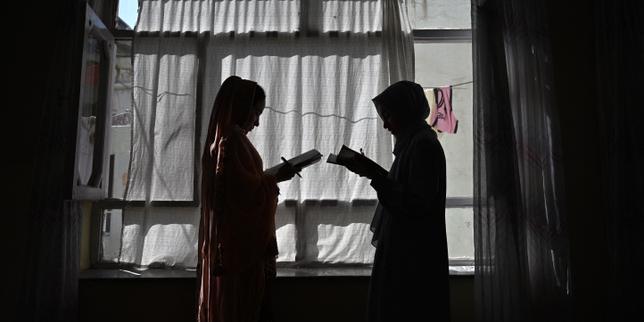
You hear about Afghanistan on the news, and then the cycle moves on. It is easy to forget. But the women living under Taliban rule haven't forgotten, and their fight for basic humanity is the defining human rights struggle of our time. We need to talk about it honestly.
Too many people think the oppression of women in Afghanistan is just a distant cultural issue. It is not. It is an intentional, systematic erasure of half a population. They erased girls from secondary schools. They banned women from universities. They shut beauty salons, parks, and gyms. They even made it illegal for women to speak loudly in public.
Let's cut through the noise. This isn't just about politics. It's about survival.
The Reality Behind Closed Doors
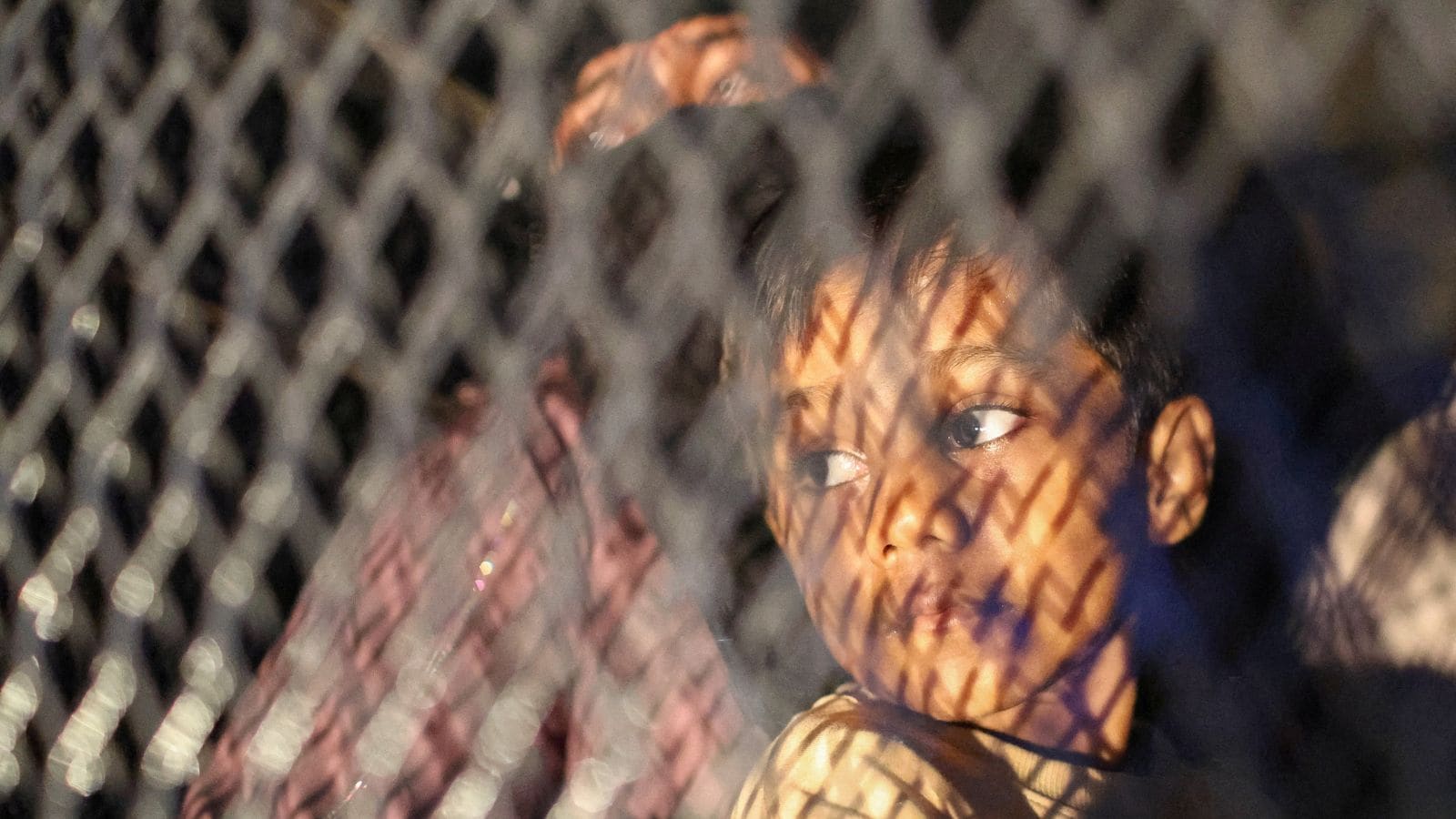
You cannot understand the courage of Afghan women without looking at what they risk every single day. Stepping outside without a male chaperone can result in harassment, detention, or worse. Running an underground secret school means risking imprisonment or execution. Yet, they do it anyway.
Look at the numbers reported by human rights monitors like Amnesty International and Human Rights Watch. Thousands of women have lost their jobs overnight, plunging families into starvation. Female judges, journalists, and activists who couldn't escape during the chaotic 2021 evacuation are hiding in plain sight. They live in constant fear.
Still, resistance persists. It takes underground forms.
How Women Fight Back Without Weapons
Resistance looks different when you have no army. Afghan women use creativity and grit.
They run secret homeschooling networks in living rooms. Girls huddle over math books with curtains drawn tightly. If the neighborhood patrol walks by, textbooks vanish under cushions in seconds. Teachers risk their lives for pennies, fueled purely by defiance.
They use digital spaces too. Social media channels run by women inside and outside the country amplify silenced voices. They document arrests. They share protests. They refuse to let the world look away.
- Secret schools operating in basements and apartments.
- Underground resistance networks sharing food and funds.
- Digital campaigns keeping the spotlight on human rights abuses.
What Most People Get Wrong
People often ask why the international community doesn't just fix it. The truth is messy. Diplomatic engagement has stalled. Many governments are reluctant to fund the Taliban, yet direct aid delivery remains a logistical nightmare.
Another common misconception is that Afghan women are passive victims waiting for a savior. That narrative is completely false. They are the primary agents of their own rescue. They organize protests on the streets of Kabul, risking immediate violence. They demand accountability when foreign diplomats look the other way.
You have to respect that level of bravery. It puts our daily complaints into sharp perspective.
What You Can Actually Do
Feeling sad about a situation doesn't help anyone. Action does. If you want to support Afghan women right now, you need to look past empty hashtags.
Support grassroots organizations that funnel money directly to underground education and safe houses. Groups like Women for Afghan Women or local activist networks need consistent backing. Amplify independent journalism covering the region. Write to your elected officials and demand that they refuse diplomatic recognition of the regime until human rights are restored.
Stop treating this as a fleeting news story. It's an ongoing humanitarian crisis that requires relentless attention. Afghan women are fighting for the future of their country against overwhelming odds. The least we can do is refuse to look away.