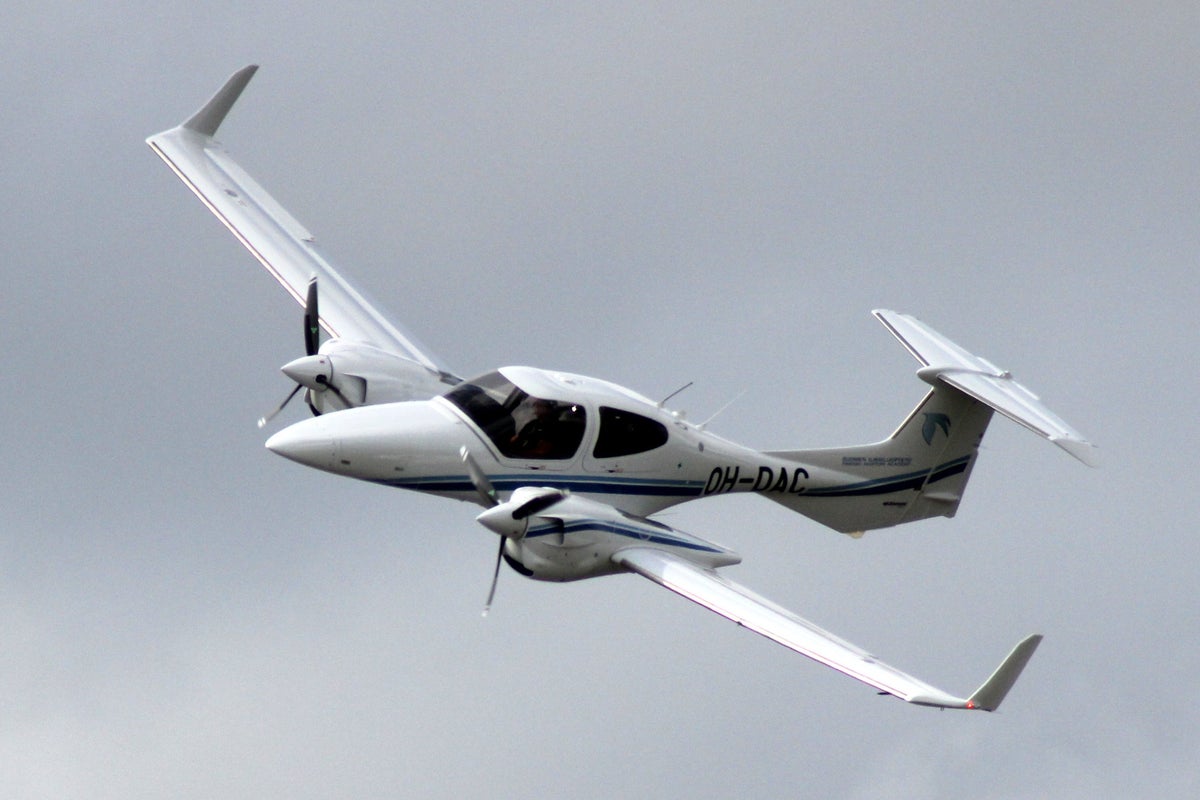
Air travel feels routine until a piece of the aircraft structure decides to depart on its own. When a flight out of North Las Vegas lost its door shortly after takeoff, passengers and aviation nerds alike felt an instant wave of déjà vu. Everyone wants to point fingers at major manufacturers right away. But component failures happen across the entire aviation ecosystem, from massive commercial airliners down to smaller general aviation aircraft.
Federal investigators stepped in immediately to figure out how a secured entryway managed to detach in mid-air. The big question is whether this points to a systemic maintenance breakdown or a quirky design flaw. If you follow aviation safety trends, you know these incidents rarely happen out of nowhere.
Behind the Investigation Process
When a door separates from a plane, federal authorities do not just guess what went wrong. Inspectors pore over maintenance logs, interview flight crews, and analyze flight data recorders to reconstruct every second of the departure.
Mechanics look closely at the latching mechanisms. Air pressure changes rapidly during climb-out, putting massive physical stress on door seals and hinges. If a latch is off by even a fraction of a millimeter, or if a previous inspection missed a worn pin, the rushing slipstream acts like a crowbar.
Maintenance facilities face heavy workloads and tight turnarounds. Human error during routine servicing remains one of the hardest things for safety boards to eliminate completely. A tired technician rushing a pre-flight sign-off can miss a subtle misalignment. That small oversight turns into a terrifying headline once the wheels leave the tarmac.
The Broader Safety Record
Commercial aviation remains statistically the safest mode of transport on Earth. Even so, recent high-profile structural glitches have eroded public trust. Travelers look out their windows differently now. They stare at the emergency exits, wondering if the bolts are tight.
Regulators respond by issuing airworthiness directives and mandatory inspection updates whenever a recurring pattern emerges. Operators must comply with these bulletins or ground their fleets. It is a reactive cycle. Something breaks, investigators trace the root cause, and new rules get written to prevent a repeat.
You can take practical steps to stay informed and fly smarter. Pay attention during the safety briefing, even if you have heard it a hundred times. Know where the closest exit is located. While you cannot control manufacturing quality or maintenance checklists, staying alert helps you react if an emergency unfolds.
Aviation safety improves because regulators treat every detached panel and failed seal as an urgent warning rather than an isolated fluke. Fixing these vulnerabilities requires absolute transparency from operators and strict oversight from the agencies tasked with keeping the skies secure.
Plane door falls off after takeoff from North Las Vegas runway
This news report provides a detailed breakdown of the North Las Vegas flight incident and explains how investigators track down maintenance records and manufacturing histories when aircraft components fail.