Cargo networks operate largely out of sight, moving billions of dollars in consumer goods across continents while most people sleep. But when things go wrong, the hidden vulnerabilities of fast-paced supply chains are laid bare. Amazon learned this lesson the hard way following a catastrophic runway accident at Miami International Airport involving one of its third-party carriers.
The e-commerce giant swiftly pulled the plug on its partnership with 21 Air, the cargo airline operating the ill-fated flight. This decision highlights a massive pressure point in modern logistics: the heavy reliance on outsourced fleets to keep two-day and same-day delivery promises ticking.
What Actually Happened on the Tarmac
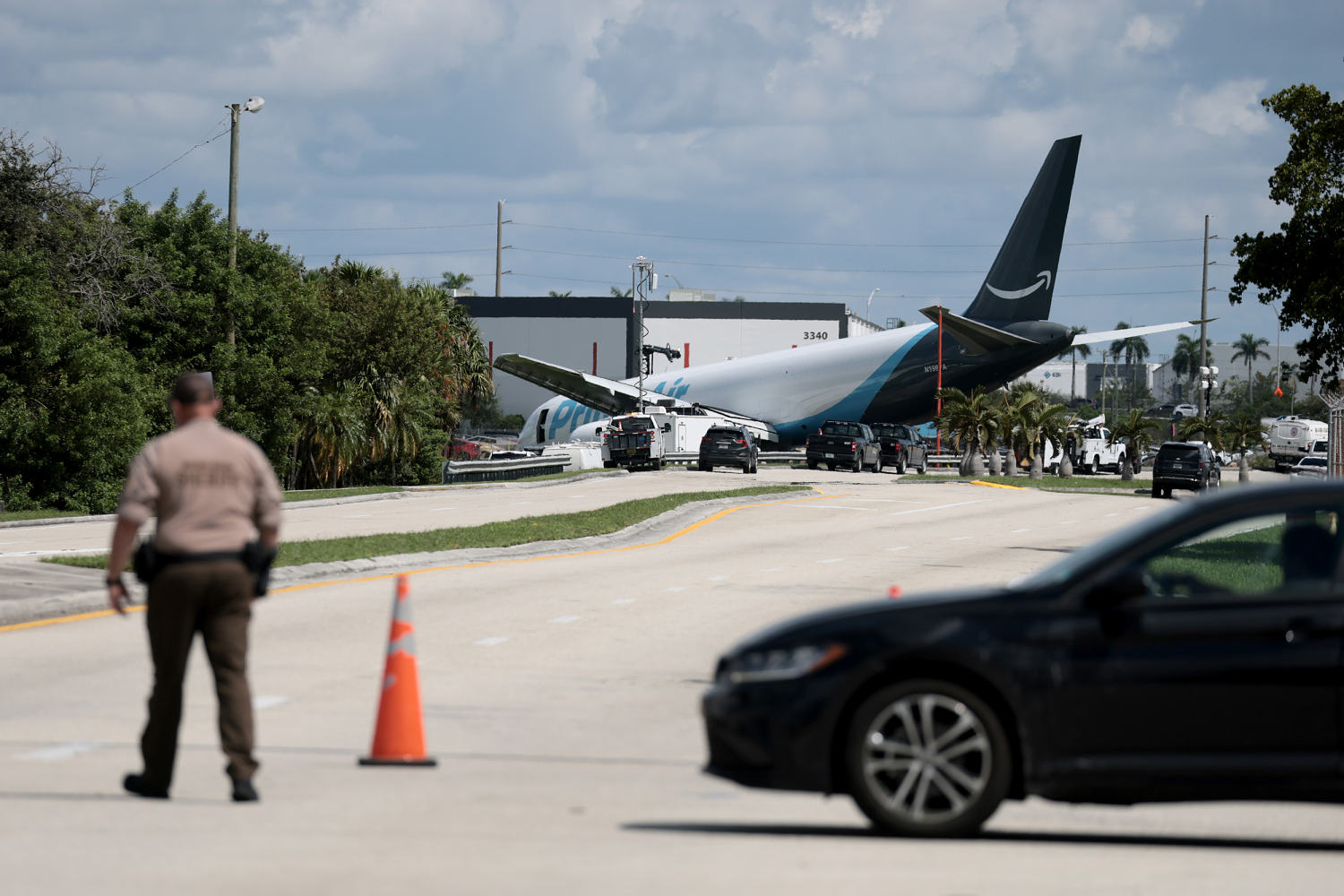
On September 6, 2026, a Boeing 767-300 freighter operating as an Amazon Air flight arrived from San Juan, Puerto Rico. Under light thunderstorms and gusting winds, the aircraft came in fast, overran the end of the paved runway by roughly 1,300 feet, and barreled through a perimeter fence.
The plane smashed directly into a vehicle carrying employees of an airline cleaning contractor. Five people lost their lives on the ground, and five others sustained injuries. Both pilots also suffered injuries. The accident marked the third and deadliest major incident involving a Boeing 767 flying under the Amazon Air banner, immediately triggering federal investigations and intense public scrutiny.
The Scrutiny Over Aging Fleets and Operational Pressures
A cargo plane doesn't just fall out of the sky or skid off a runway due to a single bad moment. The aircraft involved was a 32-year-old converted freighter, originally built to carry passengers back in 1994 before undergoing a Bedek Special Freighter conversion.
While converted older aircraft are common in the freight industry, aging airframes demand rigorous maintenance oversight. Following the crash, reports surfaced detailing prior safety complaints from former employees regarding 21 Air. Whistleblowers pointed to historical maintenance issues, communication gaps between flight crews, and pressure to keep aging planes in rotation.
When Amazon announced its decision to pause operations with the carrier on September 14, it sent a clear signal across the logistics sector. Brand reputation in e-commerce is tightly bound to operational safety. When a contractor's safety record becomes a public liability, partnerships dissolve overnight.
The Ripple Effect on Amazon Air's Network
Outsourcing flight operations allows tech titans to scale fulfillment networks rapidly without owning heavy aviation assets outright. Yet, this model introduces distinct vulnerabilities. When a carrier is suspended, capacity vanishes instantly.
Rival airlines and remaining partner carriers in the Amazon Air network had to absorb the sudden deficit in flight routes. This disruption serves as a stark reminder of the fragility inherent in hyper-optimized supply chains. Peak shopping seasons demand flawless execution, and losing a regional operator forces sudden schedule re-routings and capacity crunches.
Accountability and the Long Road Ahead
Federal investigators from the National Transportation Safety Board continue to sift through flight data recorders, maintenance logs, and weather transcripts to determine the exact sequence of events. Lawsuits filed in Florida have already targeted multiple parties, alleging pilot error, inadequate training, and questions surrounding aircraft age.
The suspension of 21 Air is unlikely to be the final chapter in how major tech platforms vet their aviation partners. As regulatory bodies tighten oversight on third-party air cargo contractors, logistics giants face mounting pressure to prioritize safety redundancies over speed. Moving boxes across the globe is essential, but human lives on the tarmac matter infinitely more than next-day delivery metrics.