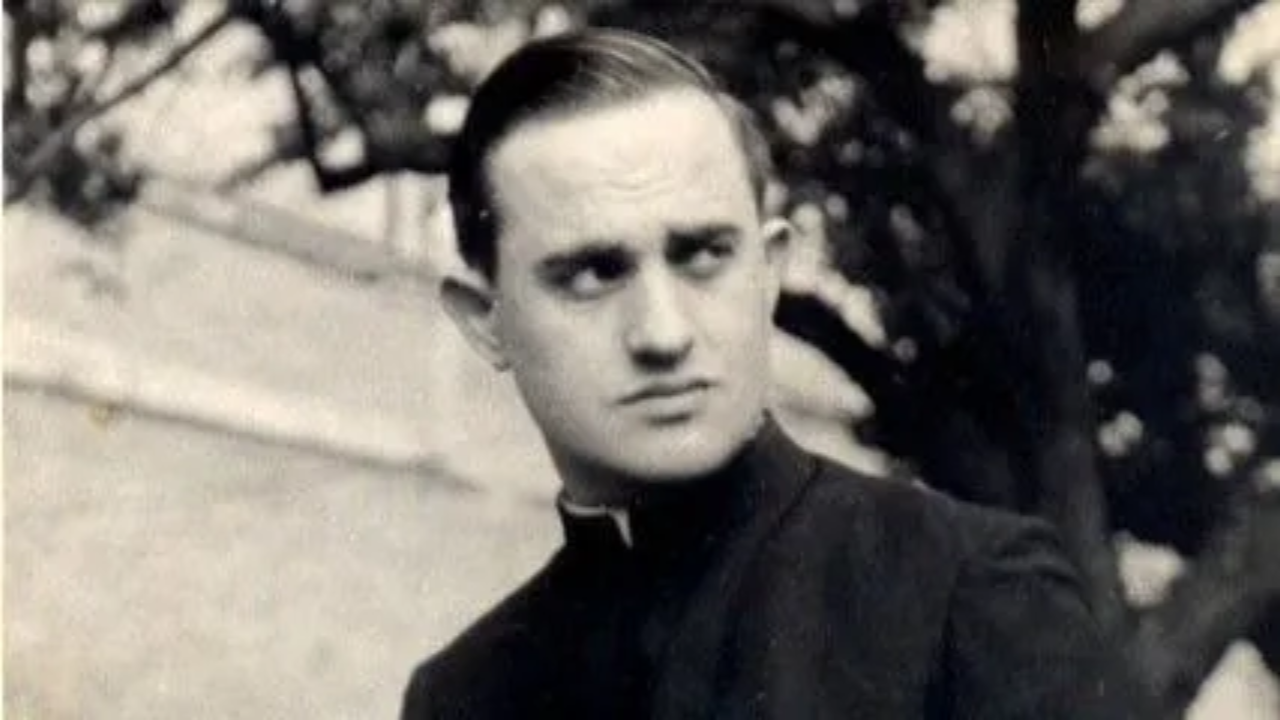
In the early 1970s, an Italian Jesuit missionary named Giovanni Gallo took charge of the isolated parish of Santa Cruz do Arari on Marajó Island in the Brazilian Amazon. He arrived with theological texts, but he quickly realized that spiritual salvation meant very little to a population cut off from basic human survival. Marajó, roughly the size of Switzerland, sat marooned in a swampy expanse where river commerce was erratic, medical supplies were nonexistent, and infrastructure was a theoretical concept dreamed up by bureaucrats in Brasília. Gallo needed capital. He looked into the murky waters of the local river network and found an unexpected asset swarming in the nets of local fishermen: thousands of aggressive, sharp-toothed piranhas.
Instead of throwing the unwanted predators back or letting them rot on the docks, Gallo engineered a bizarre micro-economy. He taught the residents of Jenipapo and Santa Cruz do Arari how to taxidermy, preserve, and mount the fish. These dried and treated Amazonian specimens were then packed and shipped across the Atlantic to European collectors and curio shops, transforming a biological nuisance into foreign currency. Over the course of the decade, roughly 12,000 dissected piranhas were exported.
Decades later, the eccentric math of Father Gallo's operation has yielded concrete results that outlasted him. The proceeds generated from those mid-century taxidermied fish funded the construction of critical regional infrastructure, including structural timber and masonry bridges spanning over 350 meters across the island's treacherous wetlands, alongside an 800-meter airstrip that completely altered the region's medical and logistical isolation. It is an extraordinary case study in decentralized community enterprise, proving that rugged ingenuity often accomplishes what state budgets ignore.
The Mechanics of Isolation on Marajó Island
To understand why selling taxidermied fish to European curiosity seekers was necessary, one must look at the geography of Marajó. Situated at the mouth of the Amazon River, the island experiences extreme seasonal flooding. During the wet months, vast tracts of savannah turn into inland seas, separating communities by miles of shallow, muddy water teeming with caimans, anacondas, and piranhas.
For the locals in the 1970s, getting a sick person to a proper hospital meant a multi-day journey by wooden canoe through shifting channels, assuming the boat did not capsize or break apart on submerged roots. Trade was equally punishing. Local fishermen caught piranhas by accident when hauling nets for edible species like tambaqui or catfish. The piranhas tore through the netting, ruining equipment and threatening livelihoods. Gallo inverted this frustration. By turning the pest into a craft commodity, he created a high-margin export item that weighed almost nothing and required zero advanced manufacturing machinery.
Building the Physical Legacy
Gallo did not stash the revenue in a private account or spend it on ornate altars. Every cent was funneled directly into community development projects managed through local cooperatives and the eventual creation of the Marajó Museum.
The logistics of building infrastructure in the Amazon basin are brutal. Heavy machinery sinks into the alluvial soil, and transporting cement or steel by river barge is astronomically expensive. Gallo used the export revenues to fund local labor, sourcing resistant native hardwoods and organizing community work crews.
The network of bridges—stretching collectively over 350 meters—finally connected fragmented grazing and farming settlements that had been isolated during seasonal floods. More ambitious still was the 800-meter airstrip. By cutting a flat strip into the high ground of the island, Gallo enabled small bush planes to land, turning a multi-day emergency evacuation into a 45-minute flight to Belém. Suddenly, antivenom, antibiotics, and emergency doctors could reach the interior.
Beyond the Curio Trade
The piranha export scheme was merely the catalyst for a broader cultural preservation effort. Gallo recognized that while physical infrastructure kept people alive, the loss of indigenous and caboclo heritage would erase their identity. Using the financial cushion provided by the European sales, he amassed a massive collection of Marajoara pottery, archaeological artifacts, and local folklore items, which formed the foundation of the Marajó Museum.
Critics at the time might have dismissed the taxidermy project as a gimmick, a bizarre footnote in missionary history. Yet, fifty-five years later, the tangible footprint of those 12,000 fish remains visible in the daily life of Marajó. The bridges still carry cattle, school children, and traders across the wetlands. The airstrip still serves as the primary umbilical cord to the mainland.
Father Gallo passed away in Belém in 2003, having spent three decades embedded in the mud and culture of the island. He left behind no corporate foundation or government grant, only a proof of concept for how isolated populations can leverage their immediate environment to build their own future.