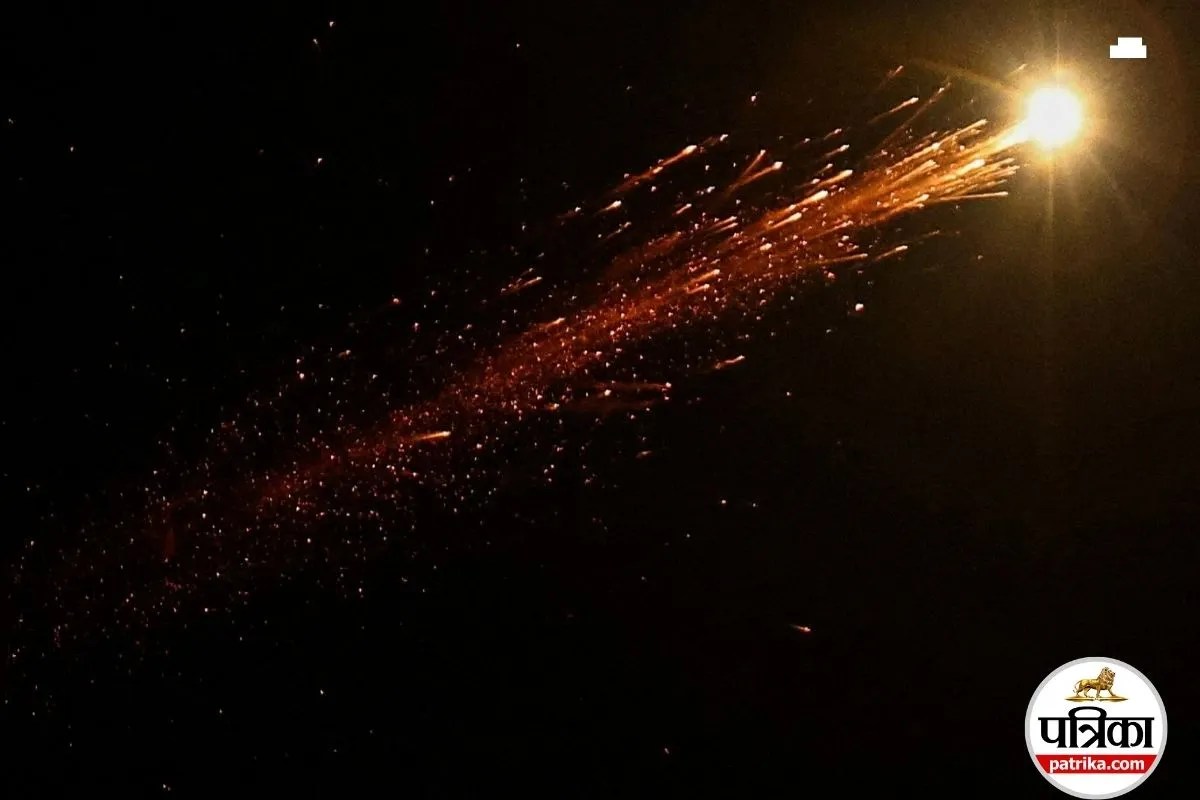
The operational utility of Medium Altitude Long Endurance reconnaissance platforms faces acute degradation when deployed inside contested, asymmetric airspaces. Recent reports detailing the downing of a Chinese-manufactured Wing Loong II armed reconnaissance asset over Mocha in the Taiz Governorate underscore a persistent vulnerability in modern aerial surveillance doctrine. This incident highlights a fundamental friction point between capital-intensive high-altitude assets and low-cost, decentralized air defense networks operating within heavily contested littoral corridors.
The Economic Asymmetry of Aerial Attrition
To evaluate the operational significance of the event, analysts must examine the underlying cost function governing drone warfare. A platform like the Wing Loong II carries a high unit acquisition cost, compounded by sophisticated electro-optical and infrared sensors, satellite communication suites, and precision-guided munitions capabilities. Designed for prolonged missions spanning up to thirty-two hours with an operational radius reaching fifteen hundred kilometers, the system relies on high-altitude persistence to maintain intelligence dominance over designated zones.
However, endurance introduces structural exposure. When a platform maintains predictable loiter patterns to support ground operations or surveillance duties, it trades velocity and unpredictability for data collection continuity. Air defense networks operating in localized theaters do not require advanced fifth-generation interceptors to neutralize such platforms. Instead, modified surface-to-air missiles, electro-optically guided ballistic conversions, or localized electronic countermeasures exploit the predictable thermal and radio-frequency signatures emitted by the airframe.
The economic imbalance is stark. The loss of a single MALE platform imposes financial and operational attrition that disproportionately outstrips the resources expended by non-state actors to field improvised or upgraded air defense assets. This dynamic shifts the theater's cost-benefit calculation, forcing operators to reconsider the risk profile of deploying high-value reconnaissance nodes over hostile territory.
Tactical Geography and the Tihama Corridor
The geographic context of Mocha and the wider Taiz Governorate shapes the tactical realities of aerial surveillance. Situated along strategic maritime lanes bordering the Red Sea, the Tihama coastal plain provides restricted maneuvering space for airborne assets. Reconnaissance platforms operating in this sector must navigate compressed airspace corridors where warning times are minimized and air defense batteries can be concealed within rugged terrain or urban environments.
Terrain configuration dictates sensor exposure. In mountainous and coastal transition zones, radar horizons and line-of-sight communications face obstruction, requiring drones to fly at altitudes or flight paths that bring them within the engagement envelopes of localized anti-aircraft systems. Ground forces occupying elevated positions in Taiz possess inherent visual and infrared sighting advantages over airframes tracking lower-velocity movement along predictable vectors.
The integration of local warning networks with mobile anti-air units creates a localized web of surveillance denial. Rather than relying on sophisticated integrated air defense systems, decentralized actors utilize distributed spotting posts paired with rapid-response firing cells. This decentralized architecture eliminates single points of failure, making it difficult for high-altitude platforms to preemptively neutralize threats before an engagement sequence is initiated.
Operational Limitations of Medium Altitude Platforms
The architectural design of MALE drones prioritizes endurance and payload capacity over active defensive countermeasures. Unlike tactical fighters or dedicated strike aircraft, these platforms typically lack active electronic attack suites, towed radar decoys, or high-g maneuverability designed to evade incoming missile threats. Their operational philosophy assumes relative air supremacy or at least the absence of sophisticated surface-to-air capabilities within the targeted theater.
When deployed against adversaries who have acquired makeshift or acquired air defense capabilities, this architectural assumption fails. The Wing Loong II operates via a turbocharged rear-mounted pusher propeller, generating distinct thermal signatures that can be tracked by advanced infrared search and track systems or upgraded thermal optics. Furthermore, the mandatory reliance on satellite communication uplinks for long-range data exchange creates radio-frequency emissions that can be intercepted, tracked, or jammed by opposing electronic warfare units.
The mechanics of data relay compound vulnerability. A satellite communications antenna mounted on the upper forward fuselage facilitates continuous data exchange with ground control stations hundreds of kilometers away. Yet, this persistent RF transmission provides a vector for electronic intelligence gathering, allowing opposing forces to triangulate the physical position of the aircraft independent of its primary radar cross-section.
Strategic Realignment of Reconnaissance Architecture
The recurring loss of high-value surveillance assets in regional conflicts forces military planners to rethink intelligence, surveillance, and reconnaissance doctrine. Relying on single, exquisite platforms for persistent oversight creates unacceptable operational risks when air defense parity shifts toward decentralized actors.
Future reconnaissance frameworks must transition away from centralized MALE dependency toward distributed, heterogeneous sensor swarms. This transition involves substituting expensive airframes with low-cost, expendable uncrewed systems that saturate an area, rendering individual losses tactically insignificant. Alternatively, operators must integrate advanced electronic self-protection packages, including directional infrared countermeasures and radar warning receivers, into existing platforms to raise the survivability threshold.
Commanders overseeing littoral and asymmetric operations must implement dynamic flight profiles that avoid repetitive loiter patterns. By introducing stochastic routing algorithms and minimizing predictable dwell times over contested zones, operators can mitigate the targeting cycle of localized air defense units. The degradation of high-value reconnaissance nodes over Mocha demonstrates that technological sophistication alone cannot compensate for tactical predictability in hostile airspace.