Geopolitical negotiations regarding maritime corridors operate on a rigid calculus of leverage, cost asymmetry, and domestic political survival. When the administration in Tehran outlined six non-negotiable preconditions for reopening the Strait of Hormuz—including the full lifting of sanctions, the release of frozen sovereign assets, and financial reparations for wartime damages—the response from Washington was not a diplomatic counter-offer, but a total inversion of the financial liability framework. By expanding the scope of negotiations to incorporate fifty-year retrospective compensation claims for regional conflicts and domestic crackdowns, the White House shifted the diplomatic posture from transactional bargaining to absolute economic attrition.
Understanding why hopes for a maritime accord have evaporated requires stripping away the rhetorical posturing to examine the structural mechanics of the current standoff. The impasse is governed by three underlying variables: the physical control of the chokepoint, the domestic inflation and currency degradation metrics within Iran, and the global energy market pricing mechanism reacting to supply restriction. Each party is operating under a distinct utility function that makes compromise mathematically improbable under current constraints.
The Asymmetry of Concession and Maximum Demand Theory
In diplomatic game theory, introducing impossible preconditions serves a distinct tactical utility. Tehran’s issuance of six expansive demands functions as an anchor point designed to force concessions on secondary objectives, primarily the unfreezing of capital reserves and the normalization of oil export pathways. However, this strategy miscalculates the reciprocal nature of populist statecraft.
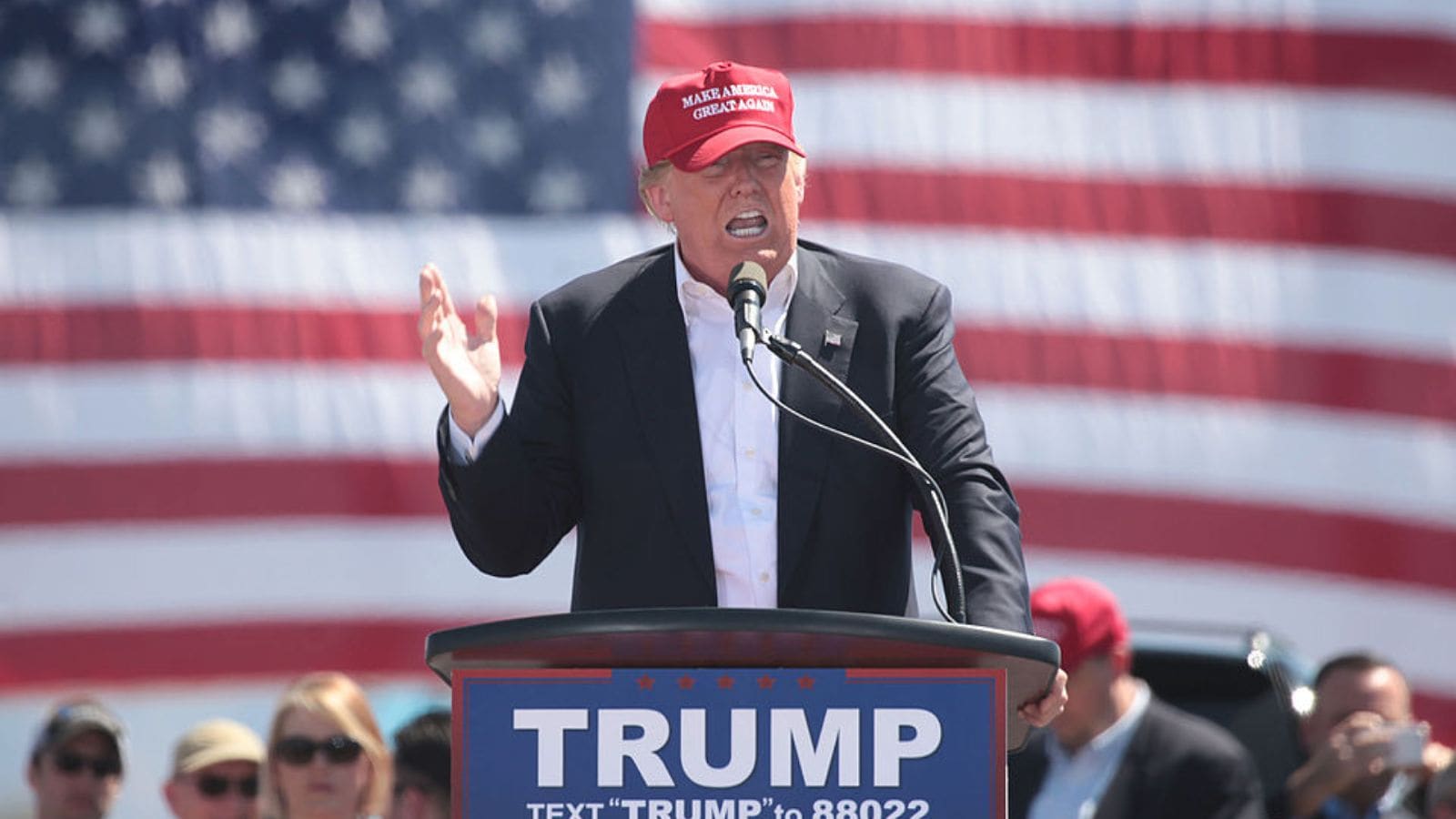
When an external actor issues demands for war reparations, the targeted administration faces an immediate domestic penalty for compliance. In response, Washington weaponized the same conceptual instrument, demanding historic indemnification for proxy warfare casualties and civil unrest suppression. This escalatory symmetry creates a zero-sum trap. Neither regime can retreat from its stated financial claims without signaling weakness to domestic constituencies.
The mechanism fails because the demands are structurally non-fungible. Tehran requires immediate liquidity to offset severe macroeconomic degradation, characterized by runaway inflation and capital flight. Washington, conversely, is utilizing a posture of strategic detachment—frequently described operationally as low-keying the conflict—relying on the endurance of a naval blockade to induce systemic regime collapse rather than negotiating an operational fix for global energy transit.
The Energy Market Transmission Mechanism
The disruption of the Strait of Hormuz directly impacts global crude benchmarks, establishing an immediate feedback loop into Western political stability. When transit restrictions tighten, Brent and West Texas Intermediate futures adjust upward to price in the permanent risk premium of rerouted or delayed tanker traffic.
To mitigate domestic political fallout from elevated energy costs, the executive branch utilizes administrative workarounds, such as issuing multi-month waivers for domestic fuel transport vessels under statutory provisions like the Jones Act. This isolates the domestic consumer base from immediate supply shocks while maintaining external naval enforcement.
The economic cost function for Iran, however, is acute. With sovereign export channels bottlenecked by naval patrols functioning as an infallible maritime wall, the state's fiscal deficit widens exponentially. Tehran attempts to offset this vulnerability by exploring parallel, localized transit accords with regional intermediaries like Oman. These alternative channels provide marginal relief but fail to restore the high-volume throughput necessary to stabilize the national currency.
The Limits of Coercive Deterrence
Relying purely on economic strangulation assumes that a financially depleted state will inevitably sue for peace on terms dictated by the stronger naval power. This ignores the historical resilience of heavily sanctioned apparatuses insulated by internal security forces.
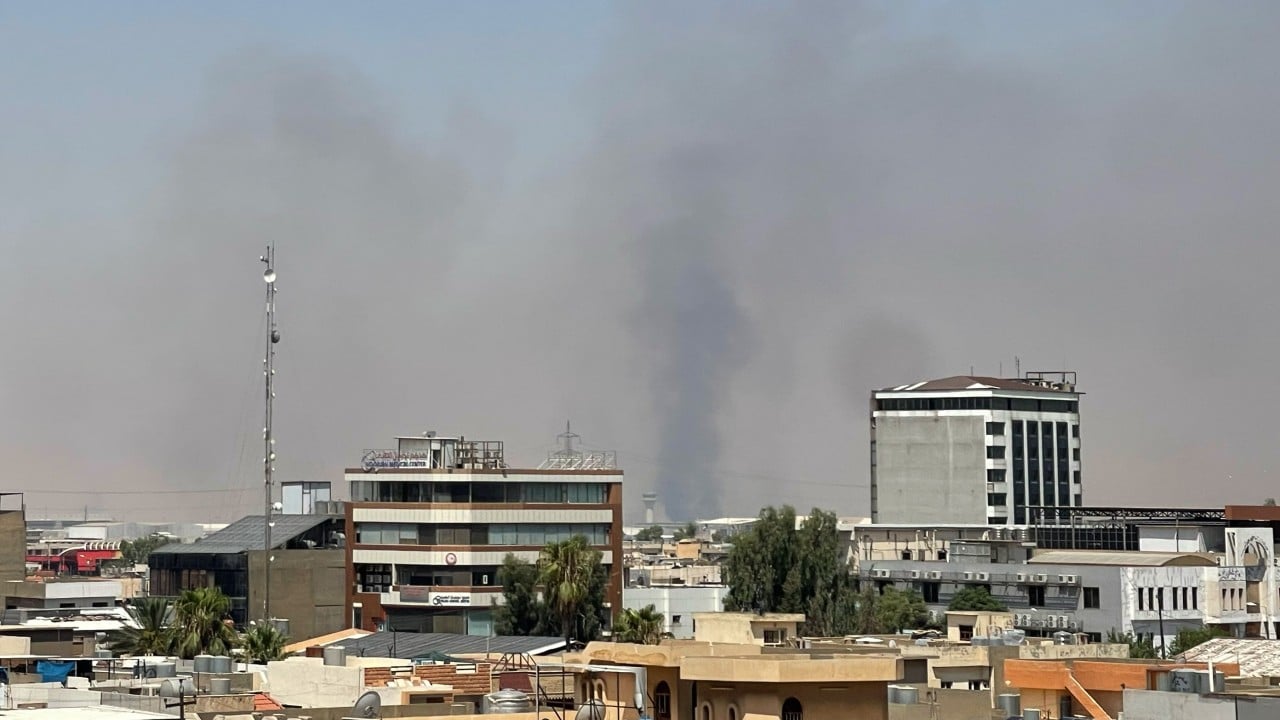
When naval supremacy is absolute at the tactical level—manifested through mine-clearing operations and continuous surface surveillance—the adversary adapts by shifting from conventional denial to asymmetric disruption. The secondary theater activity, visible in regional proxy actions across adjacent shipping lanes, demonstrates that physical control of a single strait does not neutralize the broader capability to project instability.
Consequently, the strategy of waiting out an adversary through macroeconomic pressure contains a critical operational flaw: it extends the timeline of energy market volatility. As long as the diplomatic framework remains anchored to unpayable reparations and preconditions that require ideological capitulation, the physical transit corridor remains hostage to systemic deadlock.
Strategic Execution
Abandon attempts to broker a comprehensive maritime treaty under the current parameters of mutual indemnity. The structural preconditions demanded by both capitals are mutually exclusive and mathematically incapable of harmonization. Transition the operational focus toward unilateral containment and localized convoy security protocols that bypass bilateral negotiations entirely. By isolating the maritime transit issue from historical compensation disputes, energy markets can decouple from political rhetoric, allowing throughput volume to recover independently of diplomatic breakthroughs.