The collapse of the short-lived United States-Iran interim agreement on July 8, 2026, exposes a structural vulnerability in global energy markets that conventional supply-demand metrics fail to capture. When President Donald Trump declared the ceasefire dead following kinetic engagements in the Strait of Hormuz and the subsequent targeting of 85 regional military positions, global benchmarks responded asymmetrically. Brent crude spiked over 5% to exceed $78 per barrel, while West Texas Intermediate (WTI) surged past $75. This price action is not a reflection of current physical shortages; it is the mathematical pricing of a systemic risk premium.
To understand the trajectory of retail fuel costs and broader inflationary pressures, analysts must look past the political rhetoric and model the specific mechanical channels through which this conflict transmits volatility to the real economy.
The Chokepoint Elasticity Model
Global energy infrastructure relies on a highly concentrated logistics network. The Strait of Hormuz acts as the primary valve, accommodating roughly 20% of the world’s seaborne oil and liquefied natural gas (LNG). The breakdown of the ceasefire instantly altered the risk profile of this transit corridor.
The mechanics of this disruption operate on three distinct layers:
- Route Contestedness: Under the 60-day interim deal, maritime vessels moved through the strait without paying transit fees. The friction re-emerged when Tehran demanded routing autonomy and future transit levies. Physical asset tracking indicated that the targeted commercial tankers were navigating Omani territorial waters rather than the state-directed corridors demanded by Iran, turning sovereign maritime boundaries into active risk vectors.
- The Insurance Inversion: The primary bottleneck restricting maritime traffic is not the physical closure of the waterway by military assets, but rather the commercial uninsurability of the hulls. War-risk premiums for commercial tankers operating in the Persian Gulf adjust instantly to kinetic actions. When these premiums spike, shipping lines choose to anchor outside the Gulf of Oman, effectively halting the flow of crude regardless of whether the strait is physically blocked.
- Volume Asymmetry: The cancellation of U.S. sanctions waivers removes Iranian barrels from the formal market ledger. While this reduces global supply at the margin, the primary structural hazard is the potential interruption of non-Iranian barrels from neighboring producers who depend entirely on the same 21-mile-wide chokepoint.
The Depleted Strategic Buffer
A critical variable that amplifies current price volatility is the structural exhaustion of Western safety valves. In prior geopolitical supply shocks, state-managed inventories functioned as a primary mechanism to suppress runaway speculative pricing.
The current mitigation framework is constrained by a fundamental asymmetry:
[Geopolitical Supply Shock]
       │
       ▼
[Speculative Price Spike] ──► [Depleted SPR Buffer] ──► [Unmitigated Downstream Pass-Through]
The Strategic Petroleum Reserve (SPR) enters this period of renewed hostility without the inventory required to execute meaningful market interventions. Previous multi-million-barrel drawdowns designed to insulate consumers from macro shocks have left the domestic reserve at historical lows. This depletion shifts the entire burden of supply inelasticity onto private market participants and commercial inventories.
Without a credible state-backed liquidation threat, financial markets price in a higher floor for crude. Speculators realize that Washington lacks the physical inventory to dump onto the spot market to force a technical correction. This structural deficit removes the traditional ceiling on speculative long positions, making the global oil price highly sensitive to daily tactical developments in Ankara, Tehran, and Washington.
Downstream Transmission Mechanics
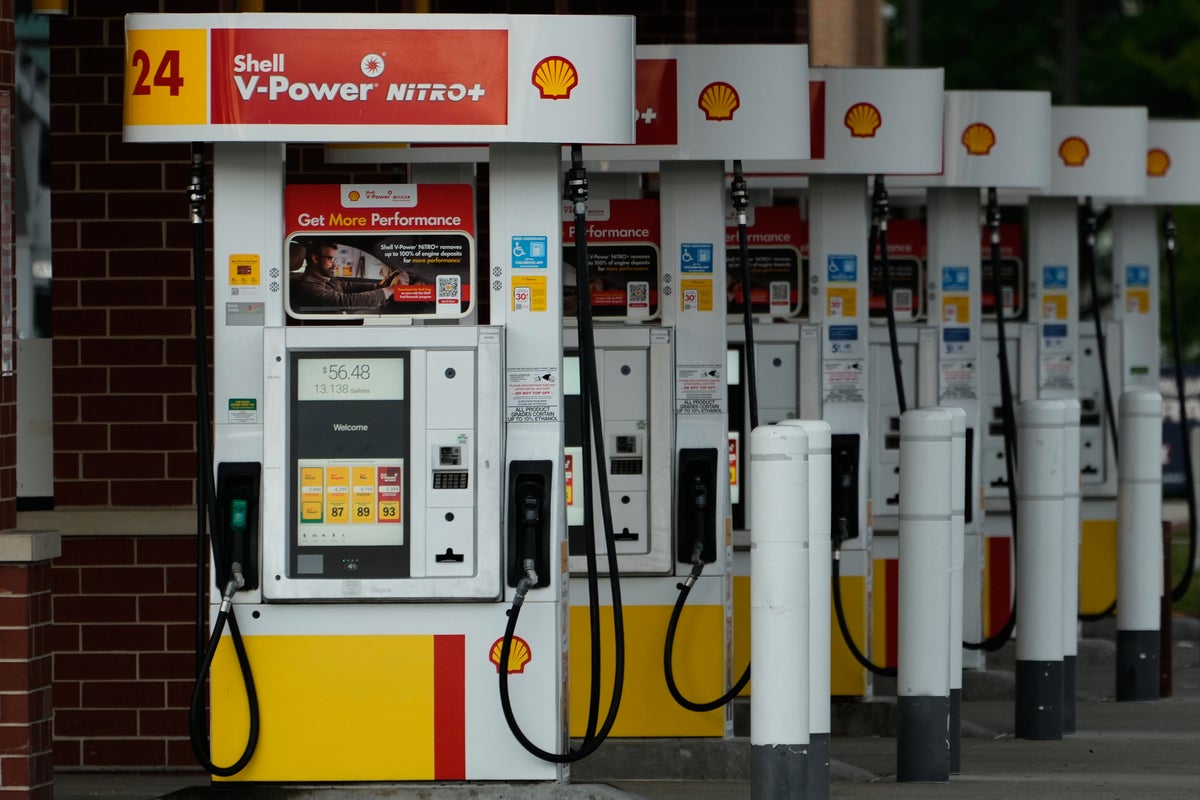
The speed at which crude oil spikes translate into retail fuel costs is determined by the asymmetry of the refining and distribution supply chain. Retail gasoline prices move almost instantly on crude spikes due to replacement-cost pricing strategies implemented by fuel distributors.
The pass-through mechanism operates along two parallel vectors:
1. The Crack Spread Inversion
Refineries purchase crude on forward contracts but price their output (gasoline, diesel, jet fuel) on real-time spot demand. When geopolitical risk escalates, the price of input crude rises faster than immediate refined product demand can adjust, squeezing refining margins. To protect capital, refiners alter capacity utilization rates, reducing utilization to match baseline contracted volumes. This supply contraction at the refining level ensures that retail gasoline prices rise sharply even if domestic consumer demand is flat or declining.
2. Global Bond Yield and European Natural Gas Synchronization
The energy shock is not localized to transportation fuel. The concurrent 5% leap in European benchmark natural gas contracts (such as the Dutch TTF climbing past €49 per megawatt-hour) directly increases global fertilizer and agricultural production costs. Fixed-income markets react to these supply-side inflation signals immediately. The sell-off in Eurozone and U.S. government bonds—which pushed Germany’s 10-year yield up to 3.03% and UK Gilts toward 4.94%—reflects a market reality: central banks cannot easily lower interest rates when energy-driven inflation risks a secondary resurgence.
Strategic Capital Allocation Playbook
Corporate treasuries and logistics operators cannot treat this conflict as a temporary geopolitical headline. The structure of the global oil market has shifted from a supply-surplus regime to a high-velocity volatility regime.
The optimal operational response requires defensive restructuring:
- Dynamic Freight Surcharges: Logistics and supply chain operations must immediately shift from fixed-rate shipping agreements to formulas tied to weekly spot fuel indices, incorporating a rolling 7-day trailing average to prevent margin compression.
- Long-Dated Option Hedges: With Brent crude trading in the high $70s but carrying an unpriced escalation tail risk, purchasing out-of-the-money call options ($95–$100 strike) serves as a necessary insurance policy against a full maritime closure.
- Capital Expenditure Rationalization: Industrial consumers must model operations under a baseline assumption of sustained $4.00 per gallon domestic regular gasoline. Capital allocation should prioritize efficiency retrofits over volume expansion until the structural impasse over maritime routing rights in the Strait of Hormuz achieves legal and kinetic resolution.