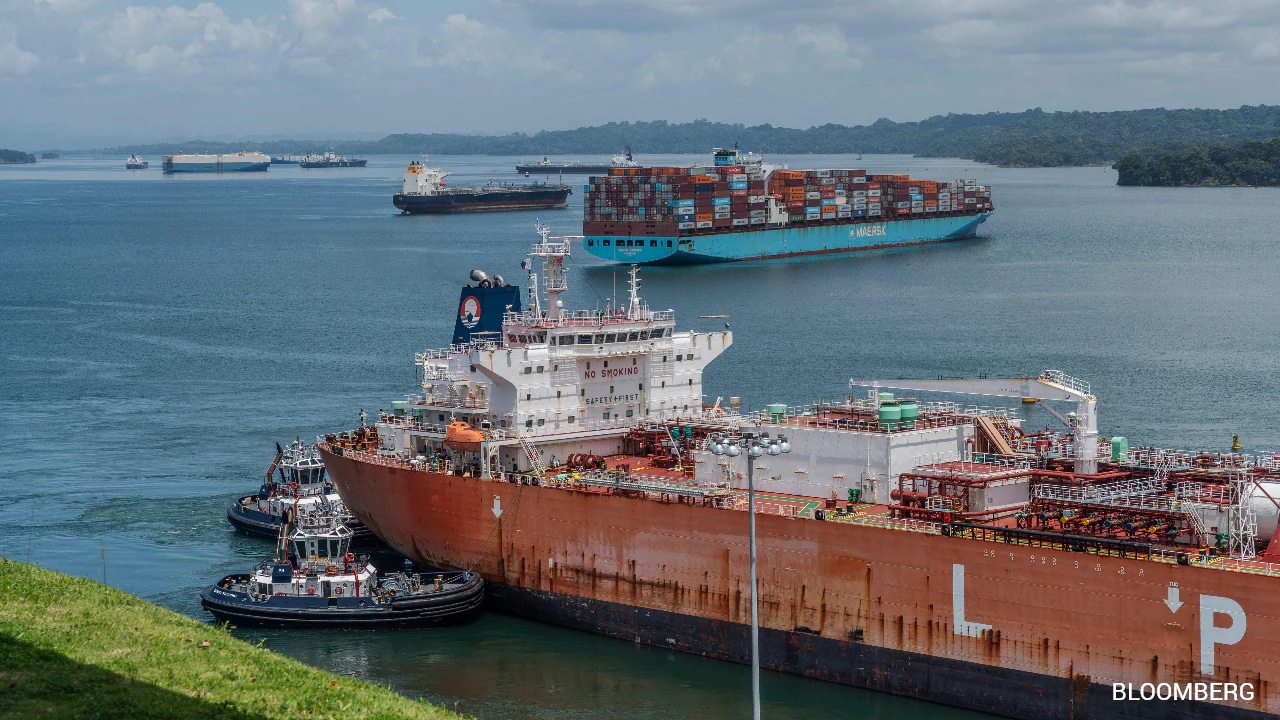
Pakistan’s structural shift to a daily downstream petroleum pricing model marks the complete transfer of international commodity volatility directly to the domestic consumer base. By dismantling the weekly pricing framework—itself a compression of the historical fortnightly regime established during the initial phases of the United States-Iran conflict—the state has chosen to insulate public balance sheets from financial exposure at the expense of retail stability. The strategy transfers price-setting authority entirely to the Oil and Gas Regulatory Authority (OGRA). It functions as a financial circuit breaker designed to protect a fragile fiscal framework from escalating import costs driven by escalating tensions in West Asia.
The policy intervention occurs against a backdrop of macro-critical vulnerabilities, specifically a reversed current account balance that slipped into a $139 million deficit for the fiscal year. This shift addresses the structural delays inherent in periodic price fixing, where lagging domestic adjustments systematically exposed the state to subsidy liabilities or triggered intense public blowback during global downward trends. Under this daily system, the retail fuel rate ceases to be a political negotiation and instead becomes a direct function of global benchmark movements.
The Mathematics of the Daily Pricing Formula
The newly operationalized pricing architecture removes discretionary ministerial interventions by binding the ex-depot price to a strict rolling average. The primary input variable is the international Platts index, calculated over a seven-working-day rolling window. This mathematical smoothing mechanism prevents single-day speculative spikes from causing immediate retail panics while ensuring that persistent directional trends pass through to the pump within 168 hours.
The total cost function determining the retail price per liter ($P_r$) can be structurally broken down into independent fixed and variable components:
$$P_r = \left( \overline{\text{Platts}}{7d} \times \text{FX} \right) + C_m + L_p + C{sl} + \Delta_{omc} + \Delta_d$$
Where:
- $\overline{\text{Platts}}_{7d}$ represents the seven-day moving average of the international commodity price (converted from barrels to liters).
- $\text{FX}$ represents the prevailing daily exchange rate of the Pakistani Rupee.
- $C_m$ represents the import premium, freight costs, and letter of credit opening charges.
- $L_p$ represents the rigid Petroleum Levy.
- $C_{sl}$ represents the Carbon Support Levy.
- $\Delta_{omc}$ represents the regulated Oil Marketing Company margin.
- $\Delta_d$ represents the petroleum dealer commission.
The operational reality of this formula was made clear by the immediate pricing mandates issued alongside the policy implementation. The ex-depot cost of High-Speed Diesel (HSD) surged by Rs31.05 per liter, climbing from Rs323.30 to Rs354.35. Simultaneously, motor spirit (petrol) advanced by Rs5.44 per liter to land at Rs316.15. This stark asymmetry in the adjustment delta reflects the localized demand profiles and global supply constraints impacting the middle distillate markets. The Platts benchmark for diesel escalated from $110 to $140 per barrel, whereas petrol moved more moderately from $89 to approximately $100 per barrel.
Fiscal Realities and Indirect Taxation Boundaries
The transition to daily pricing does not represent a reduction in state taxation, but rather a locking-in of fixed revenue streams under international structural adjustment mandates. The state remains heavily dependent on petroleum taxation to hit its budgetary targets. The specific distribution of these fixed levies on retail fuel sales highlights the heavy reliance on indirect taxation:
- High-Speed Diesel (Retail Sales): Rs70.82 per liter Petroleum Levy + Rs5.00 Carbon Support Levy.
- High-Speed Diesel (Direct Sales): Rs79.46 per liter Petroleum Levy + Rs5.00 Carbon Support Levy.
- Motor Spirit / Petrol: Rs80.00 per liter Petroleum Levy + Rs5.00 Carbon Support Levy.
- High-Octane Blended Component (97 & 95 RON): Rs105.00 per liter Petroleum Levy.
- Superior Kerosene Oil: Rs20.36 per liter Petroleum Levy.
- Light Diesel Oil: Rs15.84 per liter Petroleum Levy.
By fixing these levies as absolute rupee values rather than percentage ad valorem taxes, the state's revenue collection stays shielded from fluctuations in international oil prices. If global oil prices drop, the tax per liter remains unchanged, accelerating the drop in nominal retail prices. Conversely, when the Platts index rises amid conflict in the Strait of Hormuz, these fixed levies compress the state's capacity to subsidize fuel without blowing out the primary budget deficit. This mechanism forces the state to choose between fiscal discipline or passing the entire cost on to consumers.
Downstream Microeconomic Bottlenecks
The structural realignment faces immediate pushback from downstream distribution networks, particularly the approximately 15,000 retail station owners represented by the All Pakistan Petrol Pump Owners' Association. This domestic resistance exposes critical friction points within the daily deregulation strategy.
The Inventory Valuation Deficit
Under the previous fortnightly and weekly regimes, retail operators could manage inventory risk by timing their purchases ahead of announced price adjustments. Daily price adjustments eliminate this operational buffer. Stations carrying high-cost inventory during a downward market trend face immediate capital erosion, as they are forced to sell fuel at the lower daily-notified rate.
Working Capital Strain
For small to mid-sized retailers, a rapid rise in fuel costs—such as the Rs31 per liter jump in diesel—requires an immediate injection of capital just to maintain wet-stock volumes. Without corresponding adjustments to dealer credit lines or banking facilities, this can lead to localized fuel shortages due to cash flow constraints.
Transport and Logistical Alignment
The secondary supply chain, which relies on oil tankers and regional distribution hubs, operates on rolling logistics schedules. Adjusting fuel pricing daily creates a mismatch with transport billing cycles and invoice reconciliation, leading to systemic operational drag across the logistics sector.
While this model successfully curbs speculative hoarding by removing the incentive for dealers to lock down supply ahead of weekly adjustments, it also introduces real balance-sheet volatility to the retail tier. This risk is passed entirely onto operators who lack advanced hedging tools.
Structural Vulnerabilities and Long-Term Strategies
Transitioning to a daily pricing mechanism addresses immediate fiscal risks but does not solve the country's underlying energy security challenges. The country relies on a continuous supply of imported crude and refined products, making the broader economy vulnerable to geopolitical disruptions in the Middle East. Operating with a baseline fuel reserve of 30 to 60 days provides a temporary supply cushion but offers no real protection against prolonged price shocks.
Addressing these challenges requires a structural transition away from exposed spot-market purchases. To build more resilient energy infrastructure, policy focus must shift toward three core initiatives:
- Expanding Strategic Petroleum Reserves: Transitioning from commercial inventory management to state-controlled strategic reserves to help decouple physical supply access from short-term shipping bottlenecks.
- Diversifying Upstream Exploration: Bringing back international partnerships, such as the planned return of Turkish Petroleum for exploration activities, to help reverse the decline in domestic production.
- Accelerating Fleet Electrification: Moving mass transit and two-wheeled transport networks toward electric alternatives to structurally reduce the total volume of refined product imports.
The daily pricing system functions as an immediate fiscal shield, protecting state finances from international price shocks. However, sustaining this model requires adjusting downstream commercial margins and improving access to working capital for retail operators. Without these systemic adjustments, the volatility in the global energy market will continue to create operational bottlenecks across the domestic supply chain.
For a closer look at the administrative implementation of this policy, Mettis Global News coverage provides direct footage of the ministerial briefing outlining the daily regulatory mandates.
http://googleusercontent.com/lmdx_content/jXrZJrgGBmYzlCaAAPQopNIyBRKiAGJwrNMnKEQLnCPaSZGvIdwSzsGDYCMFwABSgutsFccVmDCQNPcCkqRmvGAfGojDBdfoPagkvnwiwrWGlhIcldVvgKqgUFUEJORwkuvpQOSxHATRXkXOCevCoQKWSXSxhmdMnoCcixgLSYovdZpWAwHZxQxycCXNzrXlPoYzgpeWoHIKGkQUPmpQjGmcBFCXLLFPangTHkLMTbFdRcbPzyddBkWTSOreiIhnnrylEzYoEmgASkUJXkSIxcUvRGtdqnEPYaRUHkDrFgFdoikQFiuinEIcqlbrvzevVrmvnvYsvWQvzxdcavQaspfgzcNFdeSlDTzywzZstUZTutcZEHTEdKpbzLfBcPVyABAuVRloVhCJAEogJcZZcEBTtkhwGETEjkuXaZeYsmYPqwqWnuCyArRJbboPajOSAEuznuHJMDlFyZIDMeHTWxTljTMXViuFkKObsIdtCxJuZTZdTYyJlKDCpJHPJLgteUNAqQaaFKfweYpRbVsGmnQBGgPobCiMImFdQyyUvOblfUWAOnfliswJEktyosybnMSglhfpwRLRoMOFehJQoegMGYykcnoHXBcnCZTjTlzfMjeADVfdIzJJeGsUuHtZDjEXOGkvSjjqhavCX23081
http://googleusercontent.com/youtube_content/1