Sovereignty in the contemporary technology stack is a function of supply chain node ownership rather than formal political declarations. When United States Under Secretary of State Jacob Helberg advanced the structural parameters of the Pax Silica initiative, the geopolitical discourse immediately fixated on diplomatic friction, ignoring the underlying industrial cost functions. The centerpiece of this initiative—a designated 4,000-acre Economic Security Zone situated in New Clark City within the Luzon Economic Corridor—demands a rigorous analytical breakdown. Strip away the diplomatic rhetoric of mutual partnership, and the project emerges as an aggressive geographical arbitrage play designed to bypass single-nation choke points in artificial intelligence infrastructure, semiconductor inputs, and critical mineral processing.
Evaluating the operational reality of this industrial hub requires mapping its mechanics across three core dimensions: geographic resource allocation, jurisdictional friction, and capital deployment efficiency.
The Cost Function of Mineral Dependency and Processing
The fundamental vulnerability driving American and allied industrial policy is material concentration. China maintains absolute dominance over more than ninety percent of global rare earth refining capacity and controls the processing nodes for the vast majority of strategic minerals essential to artificial intelligence hardware. Pax Silica attempts to alter this equation by establishing alternative processing corridors, leveraging the Philippines as a primary extraction and initial processing node.
The structural flaw in this model lies in the energy and capital intensity of mineral transformation. Raw material extraction yields low economic value relative to intermediate refining, which requires massive, uninterrupted baseload power and rigorous environmental compliance architecture. The Philippine domestic energy matrix currently struggles with high industrial power tariffs and grid stability issues. Without localized, dedicated energy infrastructure investments—specifically nuclear or utility-scale renewables embedded directly into the Clark zone—locators face a severe cost disadvantage compared to incumbent processors in East Asia. The economic security zone model assumes that political alignment can substitute for missing domestic chemical processing ecosystems. In practice, building intermediate refining capabilities from the ground up incurs a multi-year lag before commercial yields stabilize.
Jurisdictional Friction and the Governance Trade-Off
The tension surrounding the Clark industrial hub centers on regulatory harmonization versus national jurisdiction. Proposals for specialized governance within the zone—modeled around internationally enforceable contracts, transparent dispute resolution, and predictable legal frameworks—highlight the friction between foreign investment demands and host-country constitutional limits.
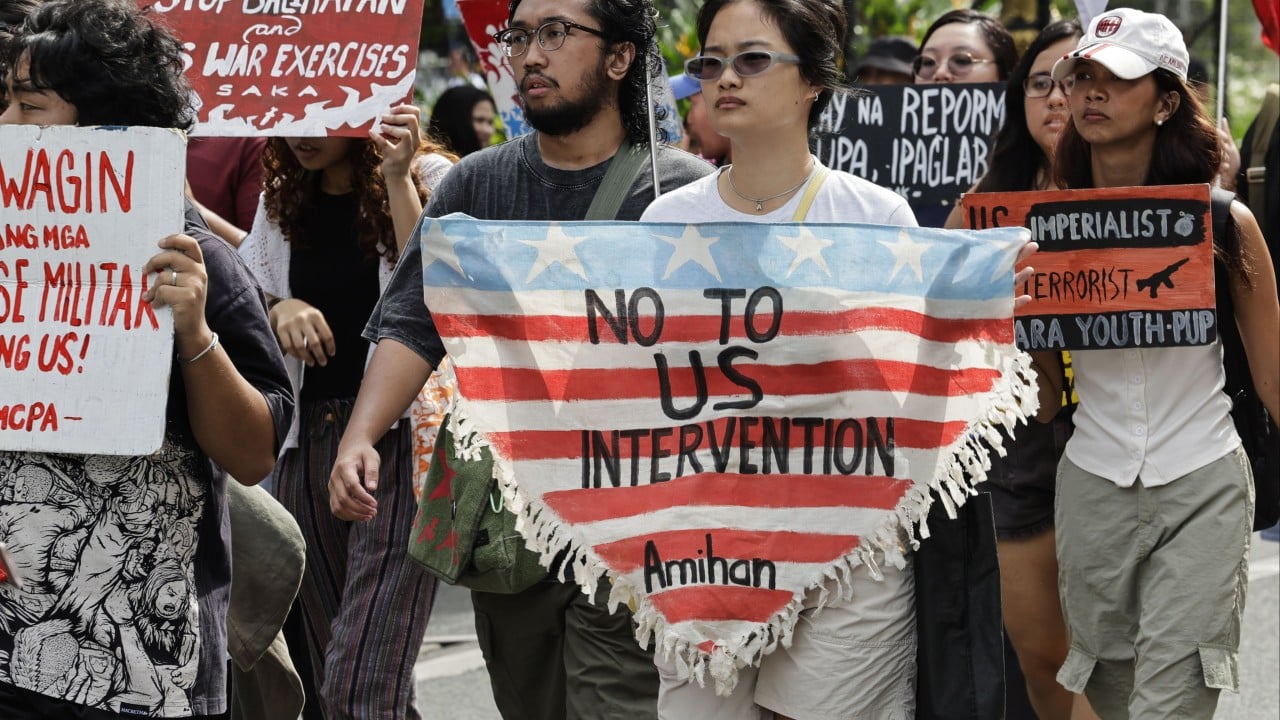
Multinational capital underwriting artificial intelligence hardware demands legal certainty that local judicial delays can compromise. Yet, granting specialized operational autonomy creates a dual-track legal environment within the host nation. The strategic calculus for the Philippine state involves balancing immediate capital inflows against long-term institutional erosion. The economic mechanics dictate that foreign direct investment of this magnitude requires ring-fenced dispute mechanisms to lower the cost of capital. However, if the operational terms emulate extraterritorial immunity, the political cost function spikes, inviting severe domestic pushback and legislative instability that threatens long-term asset security.
Capital Leverage and the Infrastructure Pipeline
Financing the physical architecture of the Pax Silica network relies on a combination of sovereign wealth funds, development finance institutions, and targeted seed capital aiming to mobilize trillions in allied infrastructure. The Luzon Economic Corridor functions as the primary logistical artery for this capital, connecting transport nodes from Subic Bay through Clark to Manila and Batangas.
The efficiency of this logistics corridor dictates the throughput velocity of manufactured components. Semiconductors and artificial intelligence server assemblies operate on zero-inventory principles. Any friction in port logistics, customs processing, or inter-modal transport immediately destroys margin profiles. While the Bases Conversion and Development Authority offers fiscal incentives via domestic legislation like the CREATE MORE Act, the physical realization of the hub depends entirely on synchronized execution across disparate public-private stakeholders. Capital deployment without parallel logistics optimization will result in stranded industrial capacity.
To achieve viability, the operational framework of the Clark industrial hub must transition from a reactive geopolitical counter-strategy into a self-sustaining commercial ecosystem. Policymakers and industrial planners must decouple long-term asset profitability from short-term state subsidies, ensuring that power generation, logistics integration, and workforce upskilling scale concurrently before breaking ground on advanced manufacturing nodes.