We forget that behind every public figure, every podium stance, and every flashing camera bulb, there is a biological engine. Just a simple pump of muscle and valve, working away in the dark.
When a cardiologist looks at a high-profile medical update, they do not see talking points. They do not see campaign trails or policy debates. They see pressure gradients, electrical conduction pathways, and the relentless ticking of a clock that spares no one. Building on this theme, you can also read: When Waiting For Canadian Healthcare Costs You Two Hundred Thousand Dollars.
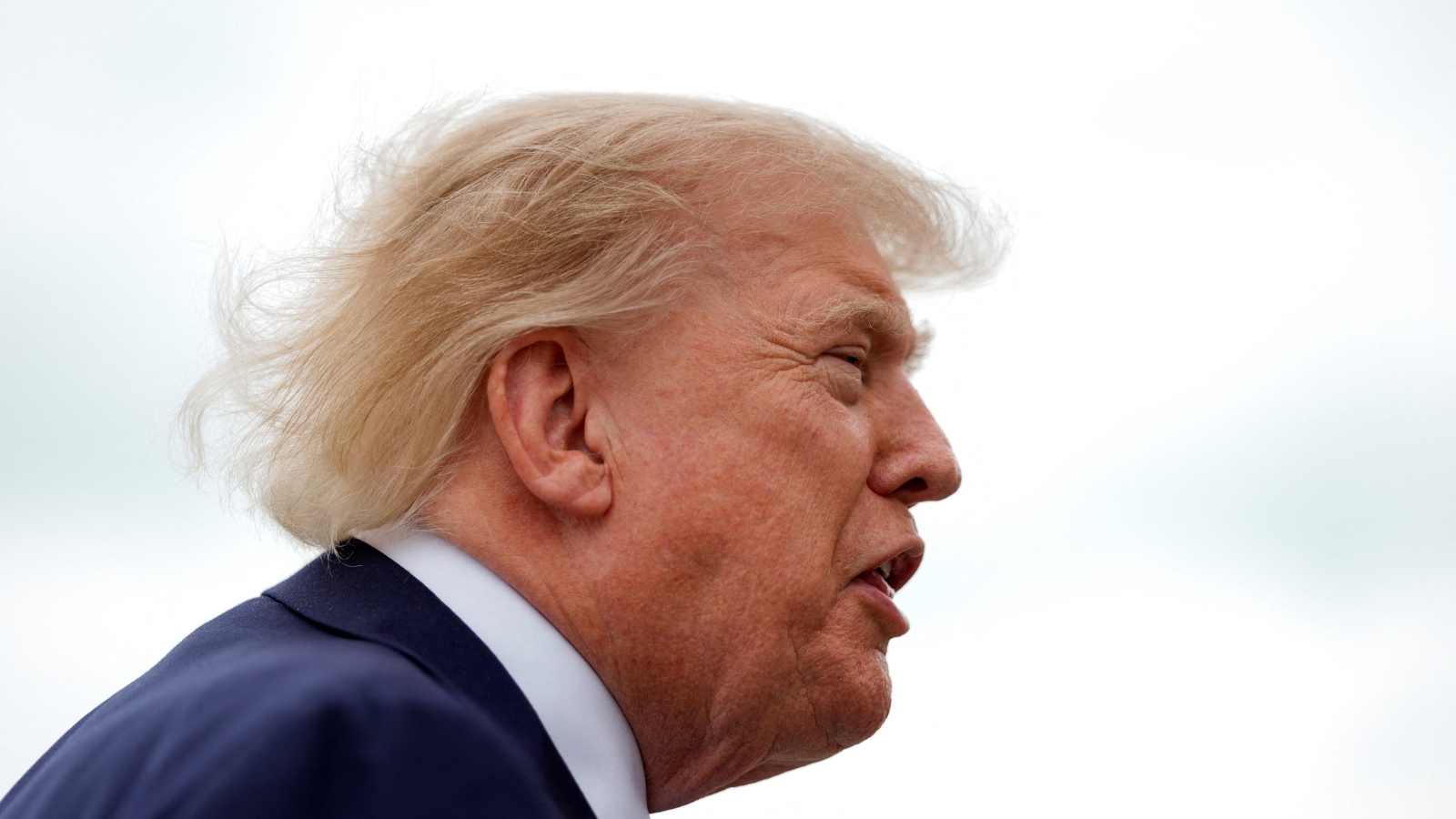
Recently, the public eye turned sharply toward the health of Donald Trump. A cardiologist stepped forward with seven distinct questions regarding his medical care. To the casual observer, these might sound like dry technical jargon. A list of medical curiosities. But to anyone who has ever stood in a sterile hospital corridor waiting for news about someone they love, those seven questions represent something much deeper. They represent the invisible boundary between control and vulnerability.
Let us walk through what those questions actually mean. Not in the sterile language of a medical journal, but in the quiet reality of how human bodies age, how hearts fail, and how we choose to talk—or not talk—about the physical decay of the powerful. Experts at Mayo Clinic have shared their thoughts on this trend.
The Weight of the Office
Gravity is undefeated.
It pulls at the shoulders. It slows the recovery time after a late night. It taxes the cardiovascular system in ways that are entirely indifferent to public approval ratings or historical legacy. When a person reaches a certain age, every public appearance is an endurance test.
Consider the sheer physical demand of modern political life. The flashing lights. The constant adrenaline spikes of rallies. The time zones shifting beneath your feet like moving sand. It is a grind that would test a twenty-year-old athlete. For an older adult, it requires a staggering amount of physiological resilience.
When medical professionals raise questions about a leader's care, they are usually looking at the math of risk. What is the baseline? How are subtle shifts in vitals being managed behind closed doors?
(Note: While we cannot peer into private medical charts, we can examine the public record and apply standard geriatric cardiology principles to understand the inherent vulnerabilities involved.)
The first layer of scrutiny often lands on transparency. In American politics, health updates have historically been treated like state secrets. Doctors write letters that read like hagiographies rather than clinical assessments. They speak of towering vitality and astonishing stamina, using superlatives where numbers should be.
Medicine hates superlatives. Medicine loves numbers.
The Language of the Chart
When a physician asks about specific diagnostic markers—such as coronary calcium scores, echocardiogram ejection fractions, or subtle shifts in resting heart rhythm—they are listening for the whisper before the storm.
Imagine driving a vintage car across the country. You do not wait for the engine block to melt before you check the oil pressure gauge. You watch the subtle fluctuations. You listen for the slight tick in the valves.
The seven questions raised by the cardiologist function precisely like that dashboard. They ask about the specifics of lipid management, the granular details of cardiac imaging, and the proactive measures taken against silent vascular threats.
Why does this matter to the rest of us? Because we project our own fears of mortality onto our leaders. When we see a powerful figure stumble or show signs of fatigue, we are forced to confront our own fragile machinery. We want to believe that leaders are built differently, that they possess some supernatural immunity to the biological decay that takes our parents, our partners, and eventually, ourselves.
To ask hard questions about a leader's heart is to strip away the myth of invincibility. It is an act of uncomfortable realism.
The Theatre of Vitality
We live in a culture that treats aging as a personal failure rather than a natural phase of life. Because of this, public health disclosures for politicians often turn into theatrical productions. The narrative must remain uniform: strong, capable, tireless.
Yet, biology refuses to read the press releases.
When subtle cardiac indicators are glossed over with vague assurances, it creates a dangerous disconnect. It sends a message that physical decline is shameful, something to be hidden behind thick layers of makeup and carefully staged photo ops.
Think about the quiet moments. The ones cameras never catch. The heavy sigh when the microphones finally turn off. The sudden, sharp catch in the breath after climbing a flight of stairs. Those are the moments where the human reality breaks through the armor of public persona.
A thorough cardiac evaluation is not just a box to check. It is a map of hidden risks. If those risks are downplayed for the sake of projecting strength, the gamble is immense. Not just for the individual, but for the entire system tethered to their well-being.
Reading Between the Lines
Let us look closer at what those disputed clinical details represent.
When a cardiologist questions the frequency or depth of cardiovascular screening, they are worrying about the silent killers. Plaque accumulation does not announce itself with trumpets. It creeps in like a shadow, narrowing arteries degree by degree until the unexpected happens.
In public health discussions, we often talk about numbers as if they exist in a vacuum. Blood pressure readings. Cholesterol ratios. EKG tracings. But behind every data point is a person trying to maintain their autonomy in the face of time.
There is a profound vulnerability in needing care. For someone accustomed to wielding supreme authority, submitting to diagnostic tests, lifestyle restrictions, and medical oversight must feel like an unwelcome intrusion. It is the ultimate equalizer. The best cardiologist in the world holds no more sway over the laws of human physiology than a country doctor in a small-town clinic.
This is why transparency in leadership health is not merely a political talking point. It is an ethical necessity. When millions of people look to a figurehead for direction, they deserve an honest accounting of the vessel carrying that leadership forward.
The Echo in the Room
We return, then, to the questions themselves.
They hang in the air not as an attack, but as an invitation to reality. They remind us that beneath the noise of daily headlines, beneath the rallies and the counter-rallies, there is a fundamental biological truth that binds us all together.
We are fragile things. We are sustained by oxygen, blood flow, and the steady, miraculous rhythm of a muscle that beats one hundred thousand times a day without pausing to rest.
When we scrutinize the health of a leader, we are doing something deeply human. We are looking for reassurance that the foundation is secure. We are asking whether the person at the helm can weather the storm when the waters get rough.
The answers may remain locked behind privacy walls and guarded statements. But the questions themselves will not go away. They echo in the quiet spaces between heartbeats, reminding us of the limits of power and the absolute democracy of mortality.
The pulse keeps ticking. Whether anyone is listening or not.