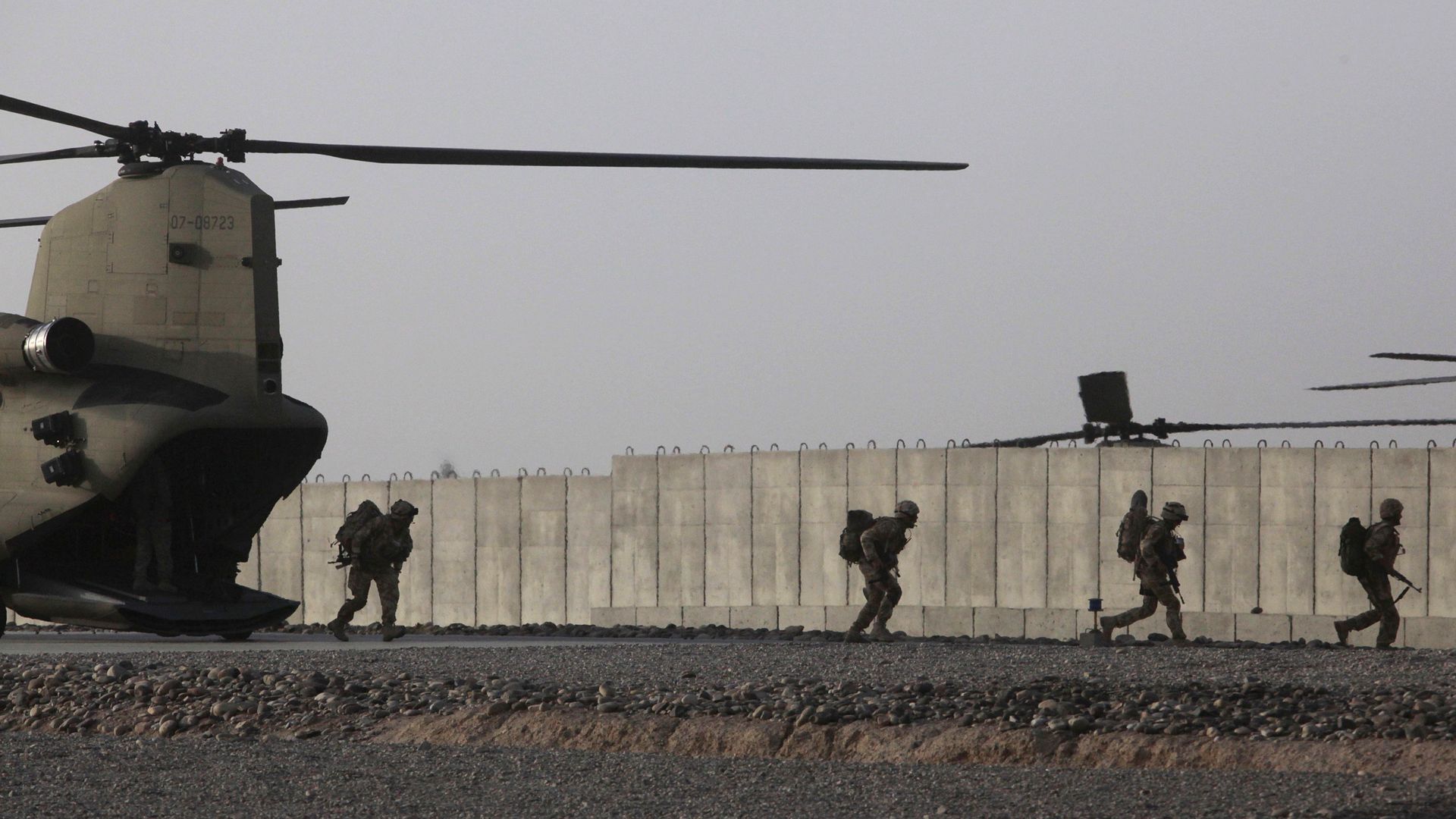
Allegations of systemic misconduct within elite military units, such as recent reports concerning British special forces personnel mistreating detainees, point to a recurring structural failure in asymmetric warfare operations. When high-performance, insular units operate outside standard oversight mechanisms, the probability of behavioral deviation increases exponentially. This analysis deconstructs the operational, cultural, and institutional variables that transform elite tactical assets into liabilities, providing a framework for identifying and mitigating command degradation before it manifests as theater-level strategic failure.
The Triad of Operational Insularity
To understand how unauthorized actions—such as the reported physical abuse of detainees using logistics equipment—occur within elite echelons, one must map the environment that permits them. These failures are rarely isolated psychological aberrations. Instead, they are the predictable output of three compounding institutional vectors. If you liked this article, you might want to look at: this related article.
1. The Autonomy-Oversight Asymmetry
Special operations forces derive their utility from strategic flexibility, speed, and low visibility. However, the exact conditions that enable tactical success create information asymmetry between the operational element and the higher command structure.
- Information Filtering: Deployment environments often feature compressed timelines and highly classified reporting lines. Compartmentalization, intended to preserve operational security, naturally restricts external auditing. Higher command elements become dependent on self-reporting from the unit itself.
- External Audit Exclusion: Standard military police, legal officers, and conventional oversight bodies are systematically excluded from the operational footprint due to security clearances or logistical friction. This removes the immediate deterrent effect of independent observation.
2. Cultural Drift and Dehumanization Dynamics
Elite units require a high degree of internal cohesion and an aggressive operational posture to execute high-risk missions. Left unmanaged, these positive attributes degrade into toxic insularity. For another look on this story, refer to the latest update from Associated Press.
- In-Group Favoritism vs. Out-Group Hostility: The intense bonding required for high-risk operations can create an insular culture where peer loyalty supersedes statutory law and institutional regulations. Code of silence dynamics emerge, making internal reporting of infractions rare.
- Asymmetrical Power Relations in Detention Operations: Handling non-combatant detainees or captured adversaries introduces a stark power differential. Without strict behavioral reinforcement, this asymmetry degrades into sadistic or performative behavior, where detainees are viewed not as intelligence assets or human subjects, but as instruments for unit amusement or frustration release.
3. Command Deficit and Selective Blindness
The failure of local command structures is the final catalyst for systemic abuse. Command degradation occurs through a sequence of subtle shifts in leadership priorities.
- The Competence Compromise: Officers may tolerate minor behavioral infractions or signs of cultural drift because the unit consistently achieves high-value tactical objectives. Performance metrics override ethical adherence.
- Normalization of Deviance: Small infractions that go unpunished establish a new behavioral baseline. Over multiple deployment cycles, actions that would previously provoke a court-martial become normalized, paving the way for severe violations like the unauthorized utilization of heavy machinery to terrorize prisoners.
The Strategic Cost Function of Tactical Breaches
The immediate impact of prisoner abuse is human and ethical, but the long-term consequence is a severe degradation of strategic efficacy. The cost of institutional failure can be calculated across three distinct dimensions.
                  ┌─────────────────────────────────────────┐
                  │    Tactical Misconduct / Detainee Abuse │
                  └────────────────────┬────────────────────┘
                                       │
         ┌─────────────────────────────┼─────────────────────────────┐
         ▼                             ▼                             ▼
┌─────────────────┐           ┌─────────────────┐           ┌─────────────────┐
│ Intelligence    │           │ Geopolitical    │           │ Coalition       │
│ Degradation     │           │ Erosion         │           │ Fractures       │
├─────────────────┤           ├─────────────────┤           ├─────────────────┤
│ • Zero trust    │           │ • Propaganda    │           │ • Legal friction│
│ • Interrogation │           │   vulnerability │           │ • Intelligence  │
│   failure       │           │ • Local support │           │   withholding   │
│ • Counter-prod. │           │   neutralized   │           │ • Treaty risk   │
└─────────────────┘           └─────────────────┘           └─────────────────┘
Intelligence Degradation
The primary operational purpose of capturing adversaries is the extraction of actionable human intelligence. Physical abuse completely invalidates this objective.
- Unreliable Data Generation: Under duress or performative torture, subjects provide false information to satisfy the abusers, leading to wasted operational assets and compromised future missions.
- Source Neutralization: Reports of abuse eliminate the willingness of local populations or marginal combatants to cooperate voluntarily. The long-term intelligence pipeline is severed for short-term tactical gratification.
Geopolitical Information Warfare Losses
In modern conflict, the informational dimension is as critical as the physical terrain. Structural violations provide adversaries with asymmetric advantages.
- Strategic Narrative Reversal: Single instances of graphic misconduct can neutralize years of diplomatic, economic, and military investment in a region. The adversary can leverage these events to validate their ideological narrative, driving recruitment and local support.
- Domestic Mandate Erosion: Democratic nations require public consent to sustain long-term military engagements. Revelations of systemic cruelty erode domestic political support, forcing premature withdrawals or severe budgetary restrictions.
Legal and Interoperability Friction
Modern military operations are inherently collaborative, requiring deep integration between international partners. Unauthorized conduct introduces systemic legal friction.
- Mutual Legal Assistance Collapse: Allies bound by strict human rights legislation or international treaties (such as the European Convention on Human Rights) face legal prohibitions against sharing intelligence or conducting joint operations with units suspected of systemic abuse.
- Prosecutorial Distraction: The institutional energy required to investigate, defend, and litigate war crimes allegations diverts finite legal, administrative, and command resources away from active operational planning.
Hardening the Oversight Framework
Remediating command degradation requires structural mechanisms that operate independently of a unit's internal culture. Relying on ethical appeals or leadership lectures is demonstrably insufficient.
       [ Conventional Layer ]
                 │ (Internal unit self-reporting)
                 ▼
       [ FAILURE POINT: Code of Silence / Normalization ]
                 │
                 ▼  (Implement Structural Reforms)
                 │
  ┌──────────────┴──────────────┐
  ▼                             ▼
[ Independent Auditing ]      [ Structural Separation ]
  • Unannounced inspections     • Separate chain of command
  • External legal attachments  • Logistical detachment
  • Off-site data pipelines     • Independent intake paths
Institutionalizing External Auditing
Units operating in high-isolation environments must be subjected to unpredictable, external verification layers.
- Unannounced Operational Audits: Deploying independent legal and provost elements with the authority to inspect operational bases, detention facilities, and digital records without prior notification breaks the insularity of the unit.
- Independent Data Pipelines: Digital sensor data, including body-worn camera footage, drone feeds, and detention log inputs, must bypass local unit servers. Direct encryption and transmission to a theatre-level or homeland-based oversight command prevents the alteration or deletion of evidence.
Structural Separation of Detention Operations
Specialized assault units should have zero ownership over post-capture processing.
- Immediate Custody Transfer: Protocols must mandate the immediate transfer of detainees to conventional military police units or specialized joint interrogation facilities within a strict time window (e.g., maximum two hours post-capture).
- Logistical Segregation: Assault elements must be physically and logistically separated from detention areas. Personnel specialized in kinetic capture must not play any role in transport, containment, or long-term management of detainees.
The Strategic Realignment
Reversing the trajectory of institutional decay requires higher command structures to alter the cost-benefit calculus for field officers. A clear policy shift must dictate that tactical success can never offset structural deviance.
When a unit demonstrates signs of cultural drift or systemic non-compliance, higher command must execute immediate leadership replacement, bypassing the immediate line officers who allowed the environment to fester. The unit must be stood down from operational rotations and subjected to a comprehensive structural audit.
Maintaining tactical superiority at the cost of strategic legitimacy is a net-negative transaction. Elite units that cannot operate within the boundaries of international law and statutory regulations cease to be strategic assets; they become high-risk operational liabilities that actively undermine the national objectives they were engineered to defend. Leadership must enforce this boundary through systemic structural design, not superficial cultural oversight.