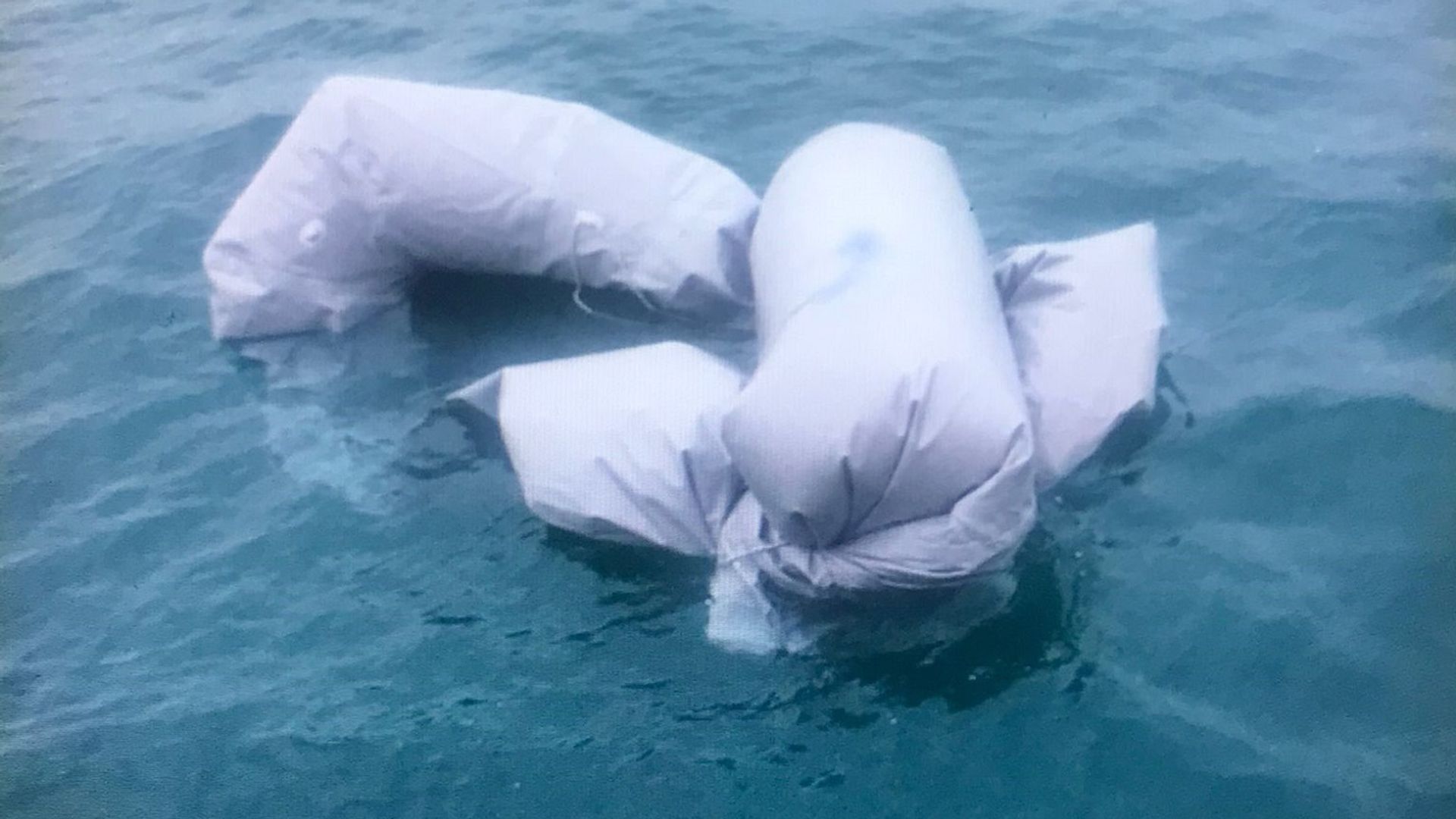
Six men sat in a French courtroom facing the wreckage of human lives, convicted of manslaughter over the deadliest small boat Channel crossing on record. Twenty-seven people died in the freezing waters of November 2021, crammed into an inflatable dinghy that was never built to cross one of the busiest shipping lanes in the world. The verdicts handed down in northern France mark a rare moment of judicial accountability for the smuggling networks that treat human desperation as a lucrative cargo. Yet, behind the gavels and the lengthy prison sentences lies a deeper, more uncomfortable reality about how enforcement operates when a border becomes a graveyard.
You cannot understand the tragedy of November 2021 by looking only at the defendants in the dock. The men convicted were cogs in a sprawling, low-level logistical chain of rubber boats, Chinese-made outboard engines, and pumps sourced cheaply from European retailers. They inflated the vessels, drove the vans to the beaches, and occasionally marshaled the frightened passengers into the surf under the cover of a pitch-black night. But the economic architecture of the trade remains untouched. When supply chains for illicit crossings are disrupted, they simply reconfigure. The structural incentives that push desperate people onto unsafe water have not shifted by a single degree.
The maritime geography of the English Channel creates an impossible policing problem. On any given night, hundreds of miles of French coastline remain unmonitored by patrols stretched too thin across shifting launch sites. Smugglers exploit this vast exposure, shifting their tactics from organized industrial ports to secluded dunes and estuaries. Law enforcement agencies face a relentless game of attrition. Every time an arrest dismantles a cell, a new network of opportunistic intermediaries steps into the vacuum. The profit margins are simply too astronomical for deterrence to work in isolation.
Consider the economics of a single crossing. A makeshift dinghy bought for a few hundred euros can be packed with upward of fifty people, each paying thousands of euros for a seat. The financial yield of one successful night funds the purchase of multiple replacement boats seized by authorities. This asymmetry defines the modern enforcement challenge. Police are fighting a high-stakes war of attrition against an enterprise with frictionless digital communications, decentralized leadership, and an endless supply of vulnerable clients willing to risk everything for a chance at asylum or economic survival in the United Kingdom.
The court heard harrowing testimonies of how the dinghy began deflating shortly after leaving the French shore. Passengers made frantic phone calls to emergency services on both sides of the Channel, pleading for assistance as water rose around their ankles. Those calls exposed the deadly jurisdictional gray zones that plague maritime rescues. Communication breakdowns between French and British maritime authorities created fatal delays, each side questioning where responsibility lay as the overloaded craft drifted toward tragedy. The convictions address criminal negligence on the ground, but they do little to resolve the systemic friction between neighboring states whose rescue protocols failed when the minutes mattered most.
Border security policies across Europe have increasingly relied on criminalizing the lowest rungs of the smuggling trade while tightening physical barriers at official ports of entry. This approach assumes that harsher sentences for boat handlers and logistics runners will choke the flow at the source. History suggests otherwise. When legal pathways narrow and asylum processing systems face severe backlogs, the shadow market expands to fill the void. Desperate people do not calculate the prison sentences of local middlemen; they calculate the alternative of remaining where they are.
As the prison doors close behind the six convicted men, the beaches of northern France remain quiet only until the next calm tide. The inflatable boats are hidden in barns and wooded patches, ready to be inflated under the next starless sky. True deterrence requires addressing the conditions that foster these perilous journeys, rather than merely punishing the unfortunate few who are caught managing the logistics of despair. Until the root drivers of displacement and the absence of safe, legal routes are confronted directly, the courts will continue to process the symptoms while the sea claims the rest.