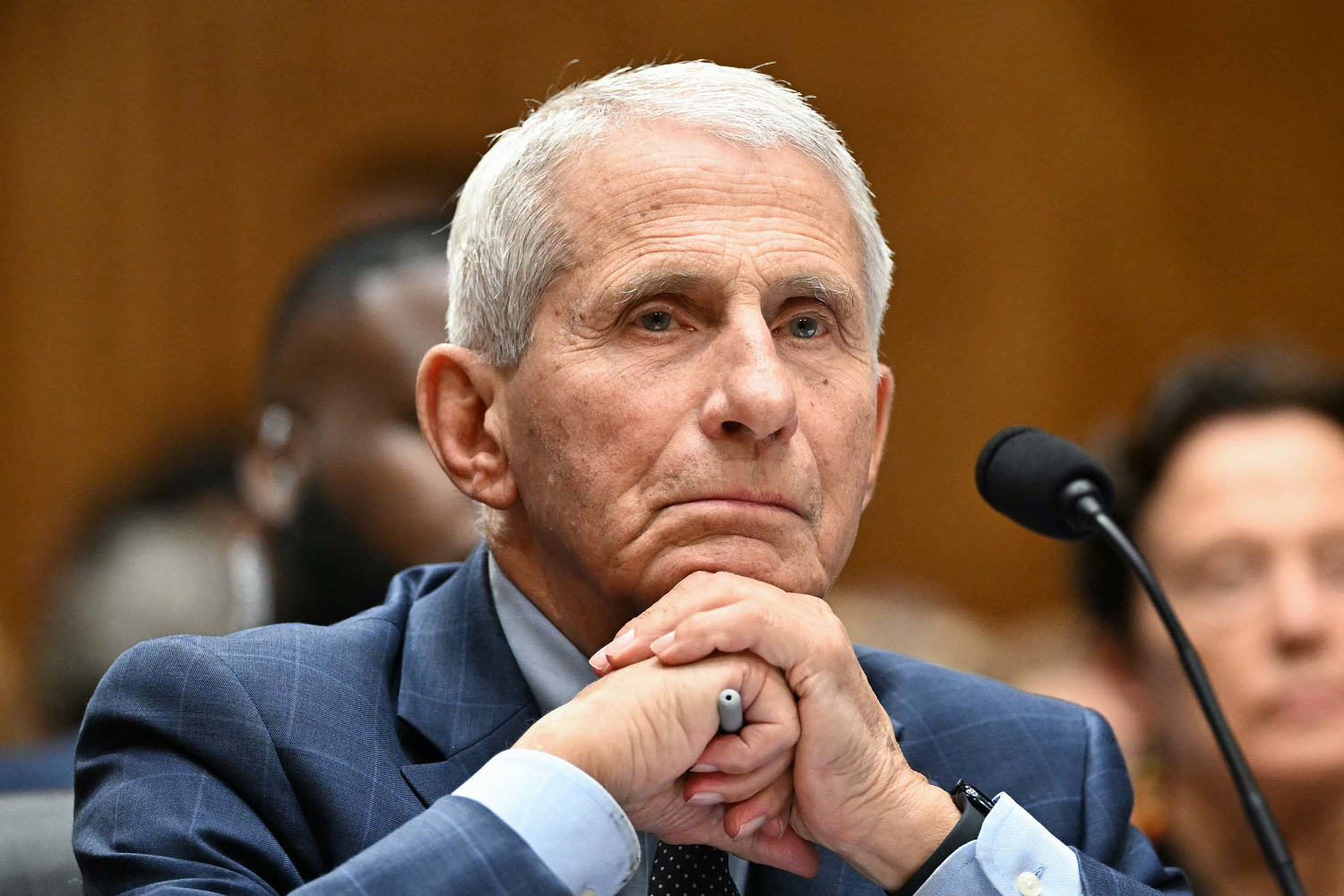
Congressional oversight hearings rarely feel like actual courtroom dramas. Usually, they're just expensive theater where politicians posture for campaign cameras while bureaucrats give evasive answers dressed up in polite Washington jargon. But things shift when a central figure stops playing the game entirely. When Anthony Fauci faces tough questions about pandemic origins, institutional overreach, and federal funding, his legal strategy changes the entire dynamic.
People want simple answers. They want a clear villain or a total vindication. Reality doesn't work that way. When high-profile public servants lean on constitutional protections, the public reaction splits immediately. Half the country sees a shield for accountability. The other half sees a standard legal safeguard used by anyone advised by smart defense counsel.
Let's look at what actually happens when constitutional rights collide with congressional investigations.
The Legal Reality Behind the Fifth Amendment
You've seen it in crime dramas on television. Someone sits at a witness table, the cameras flash, and they refuse to answer on advice of counsel. But seeing a former government official invoke the Fifth Amendment during a legislative inquiry hits differently.
Why do they do it? Defense attorneys give the same advice across the board, regardless of whether a client is innocent or guilty. Criminal exposure exists everywhere in high-stakes federal probes. Congressional investigators aren't impartial judges. They are politicians looking for soundbites that can be referred to the Department of Justice for potential criminal charges.
When you sit in that hot seat, anything you say can be parsed, spun, and weaponized.
Fauci spent decades as the face of public health. He guided the nation through HIV, anthrax scares, and eventually the coronavirus pandemic. He became a household name. Overnight, he went from a respected civil servant to a lightning rod for intense political polarization.
When a committee calls you up to testify about gain-of-function research, lab leak theories, or email correspondence, the stakes are massive. Testifying without a safety net is a nightmare scenario for any lawyer representing a high-profile witness. If you misremember a single date from three years ago under oath, perjury charges become a very real threat.
That is why the legal strategy shifts toward silence.
What Congressional Inquiries Actually Accomplish
Most people misunderstand the point of these hearings. They aren't trials. No jury is present. No judge rules on the admissibility of evidence in real-time. Instead, these committees serve as investigative bodies designed to gather facts and shape public policy.
Or, more accurately, they shape public perception.
When a witness refuses to answer questions, the hearing loses its informational value and turns entirely into a battle over optics. Committee members take turns delivering fiery speeches to the press. The witness stays silent. The deadlock hardens existing tribal lines in American politics.
If you lean conservative, you view the silence as a smoking gun. You think powerful officials are ducking accountability for lockdowns, school closures, and federal mandates that disrupted millions of lives. You see a broken system protecting its own.
If you lean progressive, you view the interrogation as a politically motivated witch hunt. You believe competent scientists are being dragged through the mud by lawmakers who want to score cheap points ahead of an election cycle. You see a necessary defense against a hostile panel.
Both sides miss the deeper structural issue.
The Erosion of Trust in Federal Institutions
Public trust isn't lost in a single day. It chips away slowly through mixed messaging, defensive bureaucracies, and a lack of radical transparency.
When the National Institutes of Health and other federal bodies handle sensitive research grants, the public expects a clear paper trail. Instead, what we often get are heavily redacted emails, contradictory public statements about masks and transmission, and institutional defensiveness.
Fauci's decision to lean on legal protections adds fuel to an already blazing fire of skepticism. Even if the legal advice makes total sense from a defense standpoint, it alienates the average citizen who just wants straight answers about how decisions were made during a global crisis.
Transparency requires courage. Legal self-preservation requires silence. Those two forces cannot occupy the same space.
Moving Past the Spectacle
If we want to fix how federal agencies operate during emergencies, we have to look past the political circus.
First, oversight committees need clearer mandates focused on reform rather than retaliation. When hearings turn into shouting matches, nothing gets fixed. Systems don't improve. Agencies don't reform their grant-making processes.
Second, public health officials must communicate with absolute humility. Pretending to have all the answers early on—and then shifting guidance abruptly without acknowledging the new data openly—destroys credibility. When leaders act infallible, any future stumble feels catastrophic.
Finally, citizens need to accept that legal mechanisms like constitutional protections exist to protect individuals from overzealous government power, even when we dislike the person using them. Hating the Fifth Amendment only when it protects someone you disagree with undermines the entire framework of constitutional rights.
The hearing ends. The cameras pack up and leave. The transcripts get filed away in government archives. But the underlying questions about institutional power, scientific integrity, and government accountability remain completely unresolved.


