Glass towers hum with a collective, frantic roar. In cities where fortunes are minted on the glow of a monitor, engineers chase the horizon. They throw billions of dollars and mountains of silicon into the furnace, praying for a spark. They want gods. They want revolution. They want everyone to know their names.
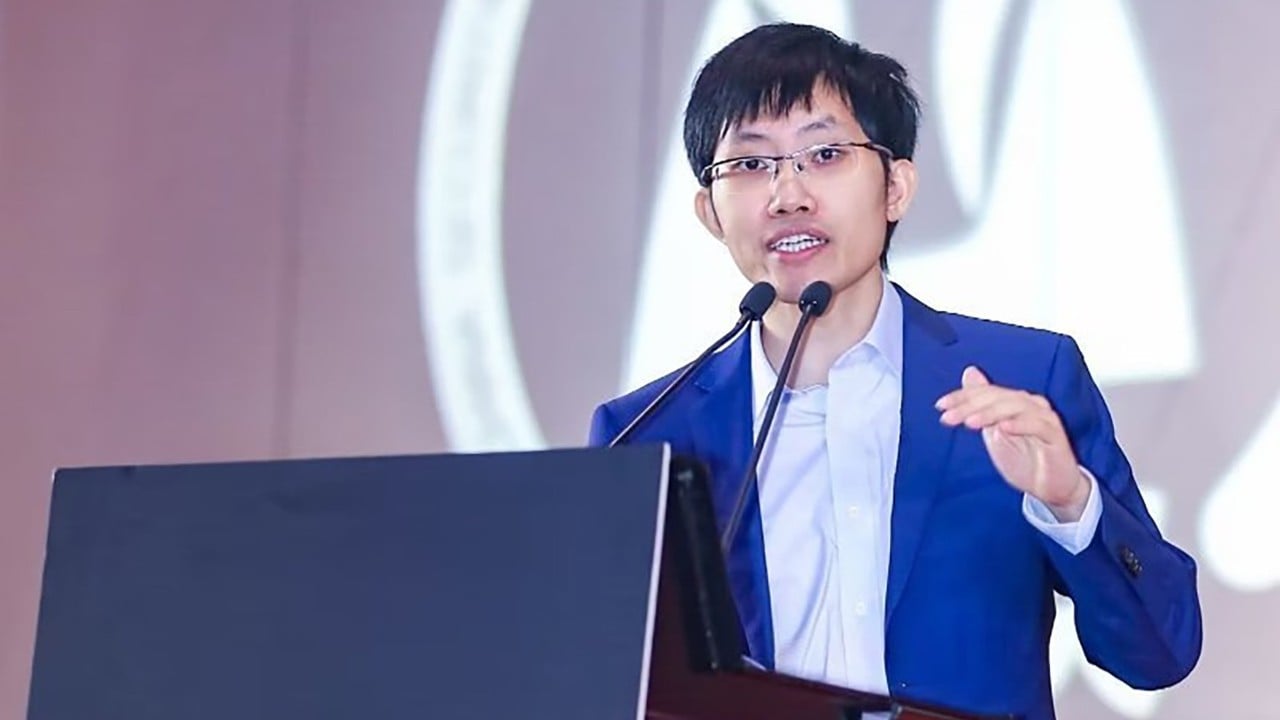
Then there is Liang Wenfeng.
He does not want your applause. He wants results.
For years, the artificial intelligence race has operated under a deafening megaphone policy. Every marginal gain in computing power is met with a press release. Every incremental upgrade to a neural network is framed as the dawn of a new civilization. The narrative has been loud, expensive, and blindingly public. Silicon Valley built a cathedral of noise, convincing the world that true intelligence requires an empire of capital to sustain it.
Then leaked notes surfaced. And the cathedral shook.
To understand the weight of those leaked comments, you have to strip away the venture capital hype. You have to look at what happens when a mind decides to ignore the room.
I remember sitting in a dimly lit server room years ago, listening to the rhythmic, anxious clicking of cooling fans. We were trying to squeeze a fraction more efficiency out of an overloaded rig. Every watt mattered. Every dollar spent on redundant hardware felt like a failure of imagination. When resources are tight, cleverness becomes your only currency.
Liang Wenfeng operates in that exact psychological space, scaled up to global dominance.
He is the co-founder of DeepSeek. While western giants burned through vast fortunes training models with brute-force computing, Liang and his team approached the problem like chess grandmasters playing with fewer pieces. They discovered that you do not need to rewrite the laws of physics to build something extraordinary. You just need to look closer at the board.
The leaked internal communications revealed a philosophy starkly opposed to the prevailing industry gospel. While competitors obsessed over vanity metrics and massive infrastructure bloat, Liang focused on efficiency. He asked the uncomfortable questions. Why are we wasting compute? Why are we following paths just because everyone else is walking them?
Silence. Then, breakthroughs.
The resulting models did not just compete with western behemoths; they shocked them. They achieved remarkable performance at a fraction of the cost. It was a stark reminder that in engineering, scarcity is often the mother of genius.
Consider what happens when the financial safety net is pulled away. When you cannot afford to brute-force a solution, you are forced to think. You find the elegant mathematical shortcut. You optimize the architecture. You treat every line of code like a scarce resource.
This is the human core of the DeepSeek story. It is not about algorithms or tensor processing units. It is about discipline. It is about a leader who values operational sobriety in an era of drunken excess.
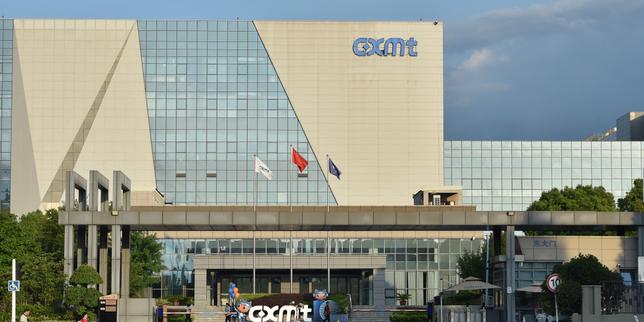
Think of the contrast. On one side, executives in glass offices boasting about cluster sizes and electricity consumption that rivals small nations. On the other side, a quiet office where engineers pore over equations, looking for elegance instead of sheer mass.
The leaked comments exposed a mindset of radical pragmatism. Liang is not interested in building a sci-fi fantasy. He is building a tool. And tools are meant to be sharp, efficient, and accessible.
When those notes spilled out into the open, the tech world experienced a collective vertigo. Wall Street panicked. Silicon Valley strategists rushed to recalibrate their spreadsheets. They realized that the moat they thought they built out of cash was actually just a shallow puddle.
Intelligence is cheapening.
That is the quiet terror keeping executives awake at night. If a leaner team, operating with a fraction of the budget, can produce competitive cognitive machinery, what does that mean for the multi-billion-dollar infrastructure buildout? It means the rules of the game just changed. Not through a dramatic corporate coup, but through quiet, relentless optimization.
We have been here before. History is littered with incumbent giants who laughed at the upstart working in a garage or a modest lab, only to find themselves completely disrupted by efficiency. Think of how compact cars dismantled gas-guzzling behemoths, or how open-source software quietly ate proprietary systems from the inside out.
Liang Wenfeng represents that disruptive spirit. He is the quiet architect in a room full of carnival barkers.
The stakes extend far beyond corporate balance sheets. When technology becomes cheaper to build, power decentralizes. It shifts from the few who control massive financial treasuries to the many who possess ingenuity and discipline. The democratization of advanced intelligence was never going to come from a marketing department. It was going to come from someone willing to turn down the volume and focus on the math.
As the dust settles from those leaked disclosures, the industry is forced to reckon with an awkward truth. The future of artificial intelligence does not belong exclusively to the loudest or the wealthiest. It belongs to the most resourceful.
The office lights in Hangzhou are still burning. The servers are humming their steady, methodical tune. And somewhere in the dark, the math is being rewritten.