Ink dries. Blood does not.
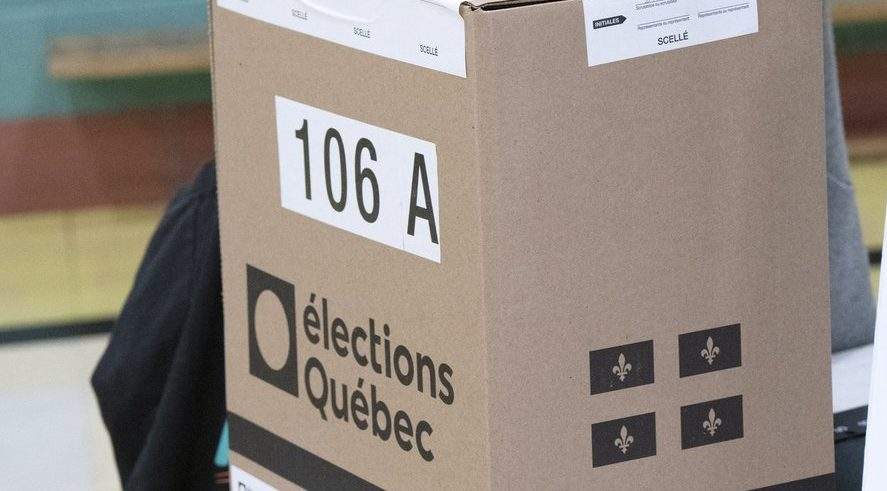
In the high-domed halls of international diplomacy, language is rarely used to illuminate. It is used to obscure. When a podium is wrapped in the blue flag of the United Nations, words like defense, security, and survival are stretched until they snap, weaponized to mask the systematic dismantling of an entire society. Silence follows, heavy and complicit. But sometimes, a voice cuts through the sterile air, refusing to let the vocabulary of mass violence be sanitized into a clean administrative footnote. Also making news in this space: The Quiet Envelope on the Kitchen Table (And Why Bilingual Voter Cards Matter in Quebec).
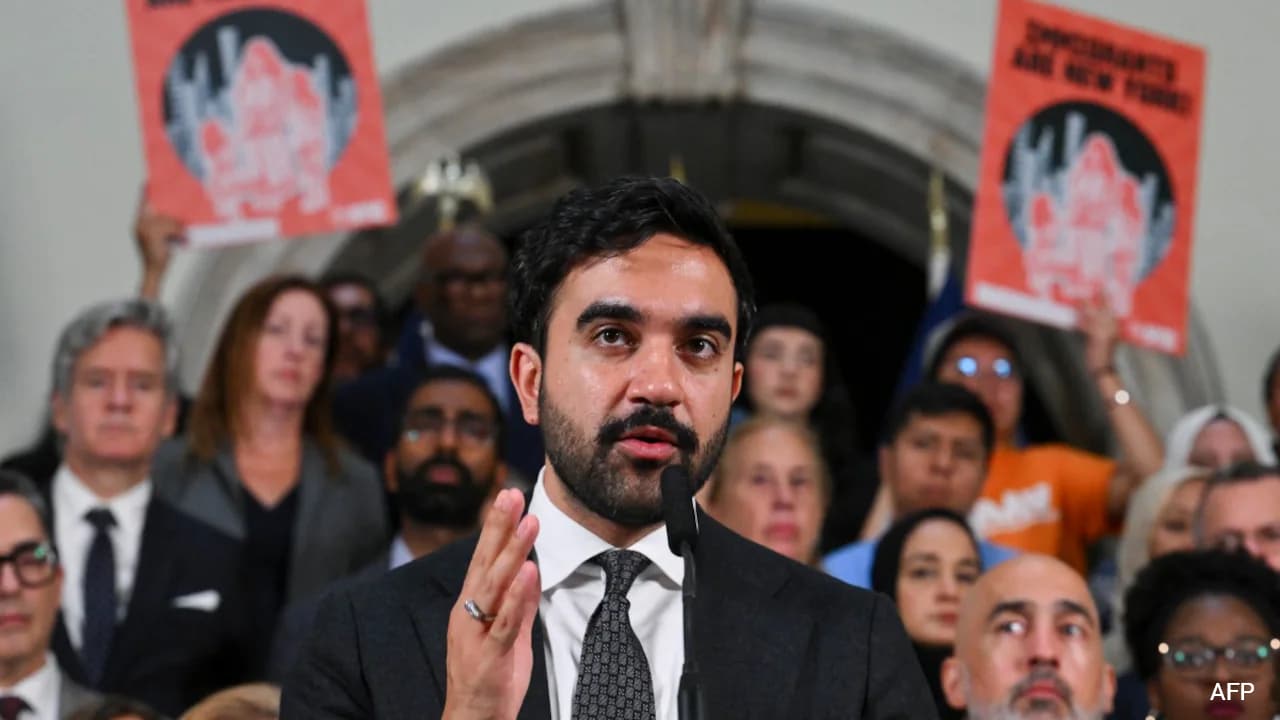
Mahmoud Mamdani knows how empires and nation-states build their justifications. He has spent decades mapping the anatomy of political violence, tracing the exact legal and rhetorical machinery that allows powerful regimes to commit atrocities while holding a mirror that reflects only their own victimhood. When Benjamin Netanyahu stood before the global community to deflect mounting accusations of genocide, framing military onslaughts as existential righteousness, it was more than just another political speech. It was a masterclass in linguistic inversion.
And Mamdani answered. Not with the polite, muted murmurs of academic detachment, but with a flat, unyielding refusal to accept the rewriting of reality. Further information on this are covered by TIME.
Consider what happens when a state under international scrutiny points to its own historical wounds to justify inflicting new ones. It is a psychological sleight of hand. The trauma of the past is hauled onto the stage like a shield, rendered so massive that it eclipses the ruins currently smoking in the present. In this inversive theater, the perpetrator adopts the posture of the besieged. Every collapsing apartment block, every hospital reduced to concrete dust, every child pulled from the rubble with ash in their hair is reframed as an unfortunate, unavoidable byproduct of defending civilization itself.
Mamdani’s critique strips away this rhetorical camouflage. To understand his response, you have to look past the cable news soundbites and examine the structural logic of modern state violence. For years, Mamdani’s scholarship—particularly his work on settler-colonialism and political identities—has demonstrated that modern states born from displacement do not simply defeat enemies; they categorize populations into permanent hierarchies. They divide communities into citizens and subjects, natives and outsiders, creating a permanent structural inequality that requires constant, violent maintenance.
When the United Nations or international courts begin to use terms like genocide, panic sets in among the architects of these policies. Why? Because the word carries legal and moral weight that disrupts the narrative. It demands accountability. It strips away the comforting fiction that a conflict is merely an unfortunate clash between equals.
To counter this, leaders like Netanyahu deploy what Mamdani identifies as sanitized terminology. They talk of surgical strikes, collateral damage, and human shields. These words are designed to clinicalize slaughter, transforming the visceral horror of torn flesh and shattered families into abstract data points on a military spreadsheet. If you call an execution a counter-terrorism operation, you sanitize the blood. If you call a siege a humanitarian corridor, you starve a population with administrative grace.
The public watches this unfold through glowing rectangles in safe living rooms thousands of miles away. The distance makes it easy to swallow the sanitization. We are comforted by the illusion of order. We are told that complex geopolitical crises cannot be judged by simple moral metrics, that the truth lies somewhere in the gray middle.
But the middle is hollow.
When Mamdani hit back, he forced the conversation out of that comfortable gray fog and back into the harsh light of historical accountability. He exposed the core contradiction of modern statecraft: the insistence that a nation can simultaneously claim absolute sovereignty while demanding absolute immunity from the consequences of its own military doctrine.
History is littered with the ghosts of words that were warped to serve power. In the twentieth century, regimes mastered the art of bureaucratic euphemism, hiding extermination behind administrative jargon. Today’s digital age has refined the technique, replacing paper files with high-definition broadcasts, PR campaigns, and rehearsed UN speeches. Yet the mechanism remains identical. The goal is always to make the unthinkable look reasonable, to make the victim appear as the aggressor, and to ensure that the dominant power never has to look at the wreckage it leaves behind.
We are living through a profound crisis of truth. When international institutions try to hold the powerful to account, they are met with fierce defiance, charges of bias, and counter-accusations designed to paralyze the global conscience. The debate over whether a military campaign crosses the legal threshold into genocide is not merely semantic. It is a battle for the soul of international law. If states can redefine mass atrocities through sheer rhetorical force, then laws cease to be shields for the vulnerable and become mere decorations for the strong.
Mamdani’s intervention reminds us that we must remain fiercely vigilant about the words we allow our leaders to use. We cannot afford the luxury of intellectual fatigue. When language is weaponized to sanitize destruction, accepting those terms is an act of quiet surrender.
The dust settles over the rubble, but the argument over what to call the ruins will define the boundaries of our global morality for generations. The facts are etched into the earth, permanent and unyielding, waiting for a world brave enough to read them without the filter of power.