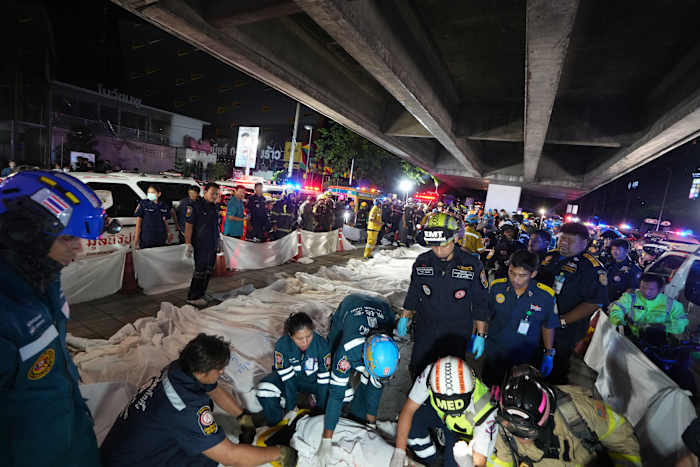
The catastrophic fire that claimed at least 27 lives at a Bangkok nightlife venue is not a tragedy born of freak coincidence. It is the predictable outcome of structural negligence, inadequate inspection frameworks, and a systemic failure to enforce basic fire safety protocols. When flames break out in a crowded, soundproofed venue, patrons do not die from bad luck; they die from a toxic combination of blocked exits, highly flammable interior materials, and a lack of early warning systems. This pattern has repeated itself across the global entertainment industry for decades, yet the lessons remain unlearned.
To understand why these tragedies keep occurring, one must look beyond the initial spark. Whether a fire starts from an electrical short circuit, pyrotechnics, or faulty kitchen equipment is secondary. The real crisis is the speed at which a venue turns into a death trap.
The Deadly Physics of Soundproofing and Flammability
The immediate cause of rapid mass fatality in venue fires is almost always asphyxiation, driven by the materials chosen for interior design. Nightclubs require heavy acoustic insulation to comply with urban noise ordinances.
To save costs, operators frequently turn to cheap, non-fire-retardant polyurethane foam.
When this material catches fire, it does not merely burn. It liquefies, dripping burning chemical rain onto the crowd below while releasing highly concentrated hydrogen cyanide and carbon monoxide gases. A few breaths of this toxic cocktail cause immediate disorientation and unconsciousness.
Compounding this risk is the lack of flame-retardant treatment on decorative elements. Fabrics, wood paneling, and drop ceilings are often coated in cheap varnishes that accelerate flame spread. In an enclosed space with high ceilings, heat builds up rapidly at the top of the room. Once the upper layer reaches a critical temperature, flashover occurs. This is the moment every combustible surface in the room ignites simultaneously, dropping survival rates to near zero.
The Illusion of the Main Entrance
In a panic, human psychology dictates that people will attempt to exit through the same door they used to enter. They ignore emergency exits, which are often unmarked, unlit, or obscured by curtains and promotional banners.
When hundreds of people rush a single narrow entrance simultaneously, a crowd crush occurs at the bottleneck.
The structural failure here is two-fold:
- Insufficient exit width: Building codes dictate specific width-to-occupant ratios, but these calculations assume an orderly evacuation, not a blind stampede in pitch-black smoke.
- Inward-opening doors: Under pressure from a crowd, doors that open inward become impossible to unlatch. The weight of the bodies behind prevents anyone at the front from pulling the door open.
Investigation after investigation reveals that secondary emergency exits are routinely locked or chained from the outside. Venue owners do this to prevent patrons from sneaking in without paying, or to stop staff from pilfering alcohol. This turning of an emergency exit into a literal brick wall is a recurring theme in nightlife disasters worldwide.
The Blind Spots in Enforcement and Licensing
The existence of strict building codes matters little without a rigorous, uncorrupted inspection regime. In many rapidly developing entertainment districts, zoning laws and safety certifications are treated as negotiable paperwork rather than hard operational boundaries.
Venues frequently alter their interior layouts after receiving their initial operating licenses. A space approved as an open-air restaurant is converted into an enclosed, soundproofed live music venue without updating the fire safety infrastructure. Sprinkler systems, which require significant capital investment and regular maintenance, are omitted entirely or left disconnected to avoid water damage from accidental triggers.
Furthermore, capacity limits are routinely flouted. A venue certified to hold 150 people will routinely admit double or triple that number on a busy weekend night. When a fire breaks out in an overcrowded space, the time required to clear the floor expands exponentially, while the time available before flashover remains fixed.
Modern Retrofitting is the Only Path Forward
Addressing this crisis requires shifting from reactive mourning to proactive structural reform. Government authorities must mandate automated, fail-safe systems that remove human error and corporate greed from the equation.
First, emergency exit doors must be equipped with panic bars that open outward under minimal pressure. These doors should be wired directly to the main fire alarm system. If an emergency door is opened, an alarm should sound at the security desk to prevent unauthorized entry, but the path to safety must never be physically locked.
Second, the installation of interconnected photo-electric smoke detectors and automated sprinkler systems must be non-negotiable for any venue operating after dark with an occupancy greater than 50 people. If a venue cannot afford the infrastructure required to suppress a fire, it cannot afford to open its doors to the public.
Finally, insurance companies must play a larger role in enforcement. By tying liability premiums directly to rigorous, independent fire safety audits, insurers can create a financial incentive for compliance that government inspectors, who are often stretched thin or susceptible to local pressures, cannot replicate.
The tragedy in Bangkok is a stark reminder that code compliance is not a bureaucratic luxury. It is the thin line between a night out and a mass casualty event. Until municipalities enforce criminal liability for owners who lock exit doors and use sub-standard building materials, the industry will continue to bury its patrons. Owners must accept that safety infrastructure is a core operational cost, not an optional line item to be slashed in the pursuit of profit.