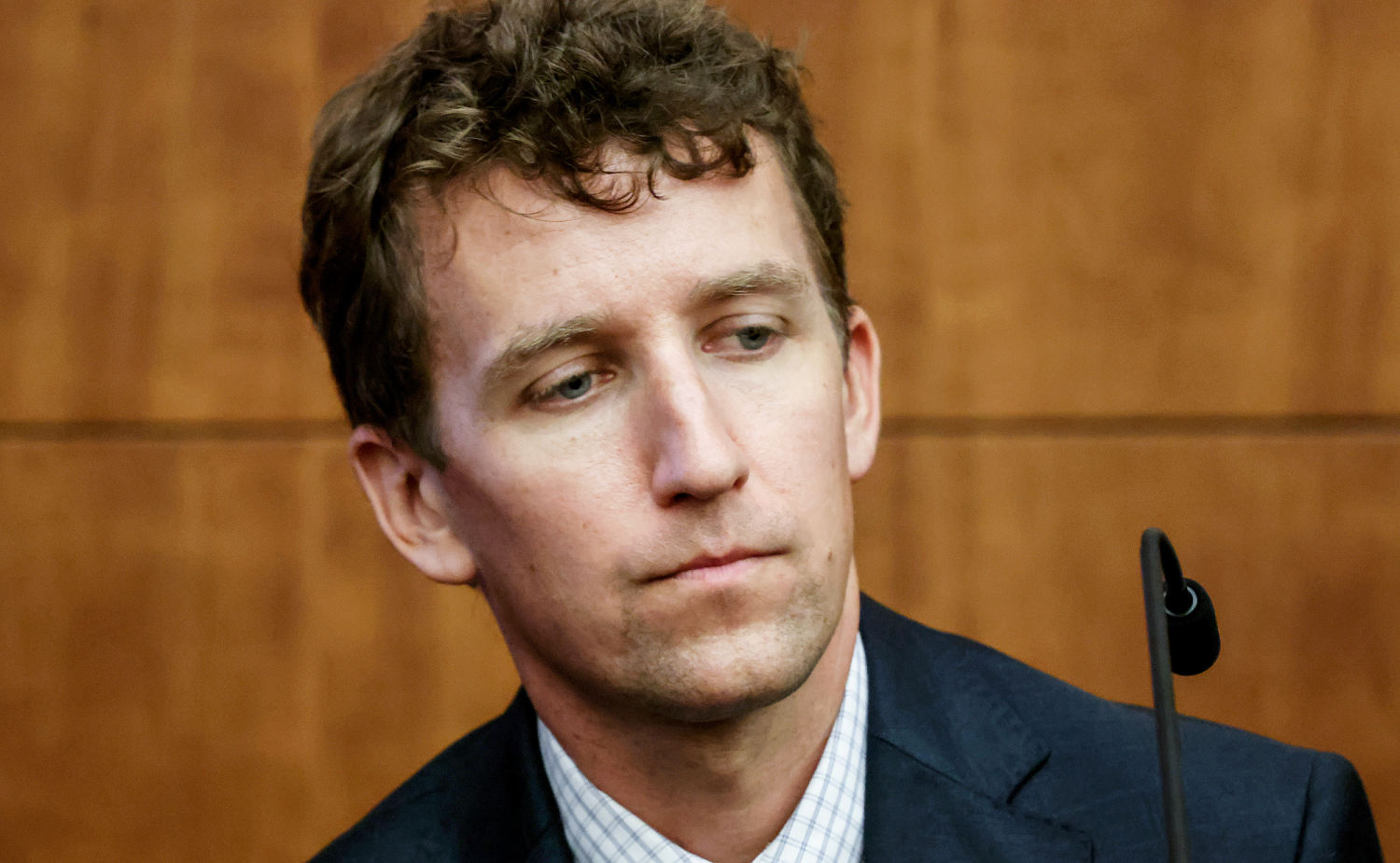
Tragedy mediated through mass broadcasting systems creates a distinct distortion between private suffering and public consumption. When an individual navigates catastrophic loss under continuous public observation, the standard models of psychological recovery fracture. The public discourse surrounding high-profile trauma frequently reduces complex physiological and legal failures into simplistic moral narratives. To evaluate how survivors navigate profound grief and public reconciliation, one must deconstruct the underlying mechanics of institutional failure, cognitive survival strategies, and the structural asymmetry of media-driven exposure.
The Mechanics of Systemic Failure in Maternal Mental Health
Severe postpartum psychiatric illness represents an acute medical emergency that routinely collides with rigid legal and diagnostic frameworks. Clinical literature consistently distinguishes standard postpartum depression from postpartum psychosis, a condition characterized by hallucinations, delusions, and a severe detachment from reality. Yet, the societal and institutional apparatus designed to screen, monitor, and treat these conditions operates with structural blind spots. Meanwhile, you can read related events here: Centralizing Federal Biomedical Capital and the Economics of Ideological Veto Power.
Medical systems frequently rely on self-reported symptom checklists during routine postnatal checkups. This diagnostic model fails when a patient experiences rapid psychological decompensation or conceals symptoms due to acute shame, fear of institutional intervention, or cognitive impairment. The cost function of this diagnostic inadequacy is catastrophic. When health systems treat maternal mental health as a secondary concern rather than an acute physiological vulnerability, they create an operational vacuum where medical failure cascades into legal and familial devastation.
Legal systems compound this institutional failure. The adjudication of crimes committed during acute psychotic episodes exposes a profound mismatch between forensic psychiatry and statutory definitions of criminal responsibility. Courts struggle to quantify the degree to which an altered neurological state impairs volition. The resulting legal battles—marked by mistrials, expert witness debates, and protracted litigation—prolong the acute phase of trauma for surviving family members, preventing the initiation of standard grief processing loops. The legal apparatus treats mental aberration through an adversarial lens designed for rational actors, creating structural friction that exacerbates psychological injury for all parties involved. To see the full picture, check out the recent report by WebMD.
The Asymmetry of Public Grief and Media Consumption
When private tragedy enters the broadcast ecosystem, the survivor faces an impossible economic trade-off: managing internal grief while servicing public demand for emotional narrative resolution. Mass media outlets operate on engagement metrics that require moral clarity, clear villains, and redemptive arcs. Human trauma, by contrast, is non-linear, chaotic, and resistant to closure.
The televised interview functions as a psychological arena where the survivor is subtly pressured to perform forgiveness or resilience for an audience seeking emotional absolution. This dynamic creates a secondary burden. The survivor absorbs the projections of millions of spectators who conflate televised composure with psychological healing. Parasocial interactions amplify this distortion, as viewers develop a false sense of intimacy with the trauma, demanding ongoing access to the survivor's private emotional state.
Media framing frequently abstracts the systemic roots of the tragedy, focusing instead on interpersonal melodrama. By reducing a failure of psychiatric infrastructure to a human interest story, broadcasters shield institutional stakeholders from accountability. The public consumes the narrative as an isolated anomaly rather than a predictable symptom of an underfunded and fragmented healthcare apparatus. This voyeuristic consumption satisfies public curiosity while leaving the underlying structural vulnerabilities entirely unaddressed.
Cognitive Survival and the Function of Forgiveness
In clinical psychology, forgiveness is often studied as an interpersonal mechanism designed to repair damaged social bonds or alleviate chronic stress. When applied to catastrophic, irreversible harm, forgiveness ceases to be a relational tool and becomes a cognitive survival strategy.
The human brain cannot sustain indefinite states of pure rage, terror, and grief without incurring severe neurological and physiological degradation. Chronic high-stress activation impairs prefrontal cortex function, suppresses immune response, dysregulates the hypothalamic-pituitary-adrenal axis, and degrades cardiovascular health over time. Forgiveness, in the context of extreme trauma, functions as a mechanism of cognitive conservation. By reframing the perpetrator through the lens of severe psychiatric illness rather than malicious intent, the survivor reduces the cognitive load required to process the event.
This mechanism is frequently misinterpreted by the public as emotional weakness or premature closure. Observers confuse cognitive compartmentalization with emotional resolution. In reality, surviving a catastrophic loss requires building structural compartments within the psyche to function day-to-day. The choice to articulate forgiveness in a public forum is not an erasure of the act, but an operational decision to prevent total psychological collapse and reclaim baseline agency.
The Cost Function of Preventative Neglect
Preventing maternal tragedies requires moving away from reactive legal punishment and toward proactive, mandatory neurological and psychiatric monitoring during the perinatal window. Current healthcare delivery models treat postpartum care as episodic rather than continuous, relying on infrequent check-ins that miss rapid hormonal and neurological shifts.
The economic argument for intensive preventative mental health screening is straightforward, though rarely prioritized by institutional budget allocators. The downstream costs of a single untreated case of postpartum psychosis—measured in acute psychiatric care, legal expenditures, foster systems, and human capital destruction—exceed the cost of universal, intensive home-visiting nurse programs and psychiatric oversight by multiple orders of magnitude.
Yet, healthcare systems underinvest in preventative infrastructure because the beneficiaries of prevention are invisible. A system that successfully prevents a psychotic break receives no accolades because the catastrophe never occurs. Capital flows toward crisis management, insurance risk mitigation, and litigation rather than proactive stabilization. Until healthcare administrators treat perinatal psychiatric screening with the same urgency as obstetric surgical safety, systemic failures will continue to generate preventable tragedies.
Long-Term Operational Recovery in High-Visibility Tragedies
Navigating the aftermath of a public tragedy requires deliberate strategic isolation and boundary management. Survivors who remain tethered to the media cycle experience arrested recovery. Healing requires the restoration of agency, which cannot occur while an individual's personal grief remains public property.
Rebuilding a functional life after catastrophic loss involves three distinct phases: stabilization, structural reconfiguration, and purposeful redirection. Stabilization requires removing external noise, cutting off unauthorized public access, and establishing baseline physiological health. Structural reconfiguration involves accepting the permanence of the alteration and restructuring daily routines around immutable constraints. Purposeful redirection, if it occurs at all, involves channeling residual energy into systemic reform or institutional advocacy without sacrificing personal boundaries.
The public expectation that survivors should return to a recognizable pre-tragedy baseline is fundamentally flawed. Post-trauma existence is not a recovery of the original state; it is the construction of an entirely new operational framework built upon altered foundations. Institutions, media consumers, and legal observers must recognize that true resilience does not look like televised grace or neat narrative arcs. It looks like the quiet, unrecorded labor of enduring an unalterable reality, sheltered from the demands of public spectatorship.