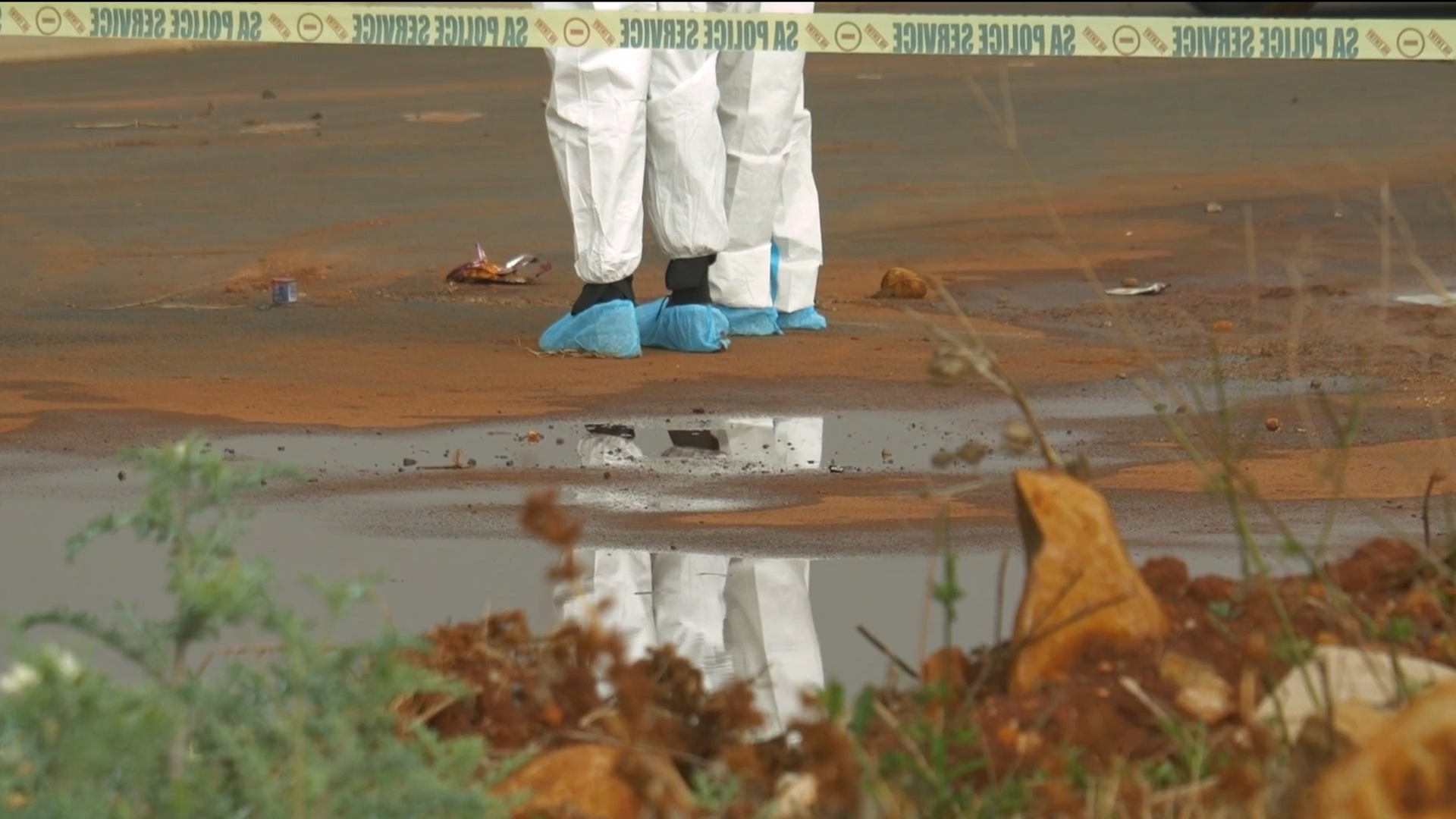
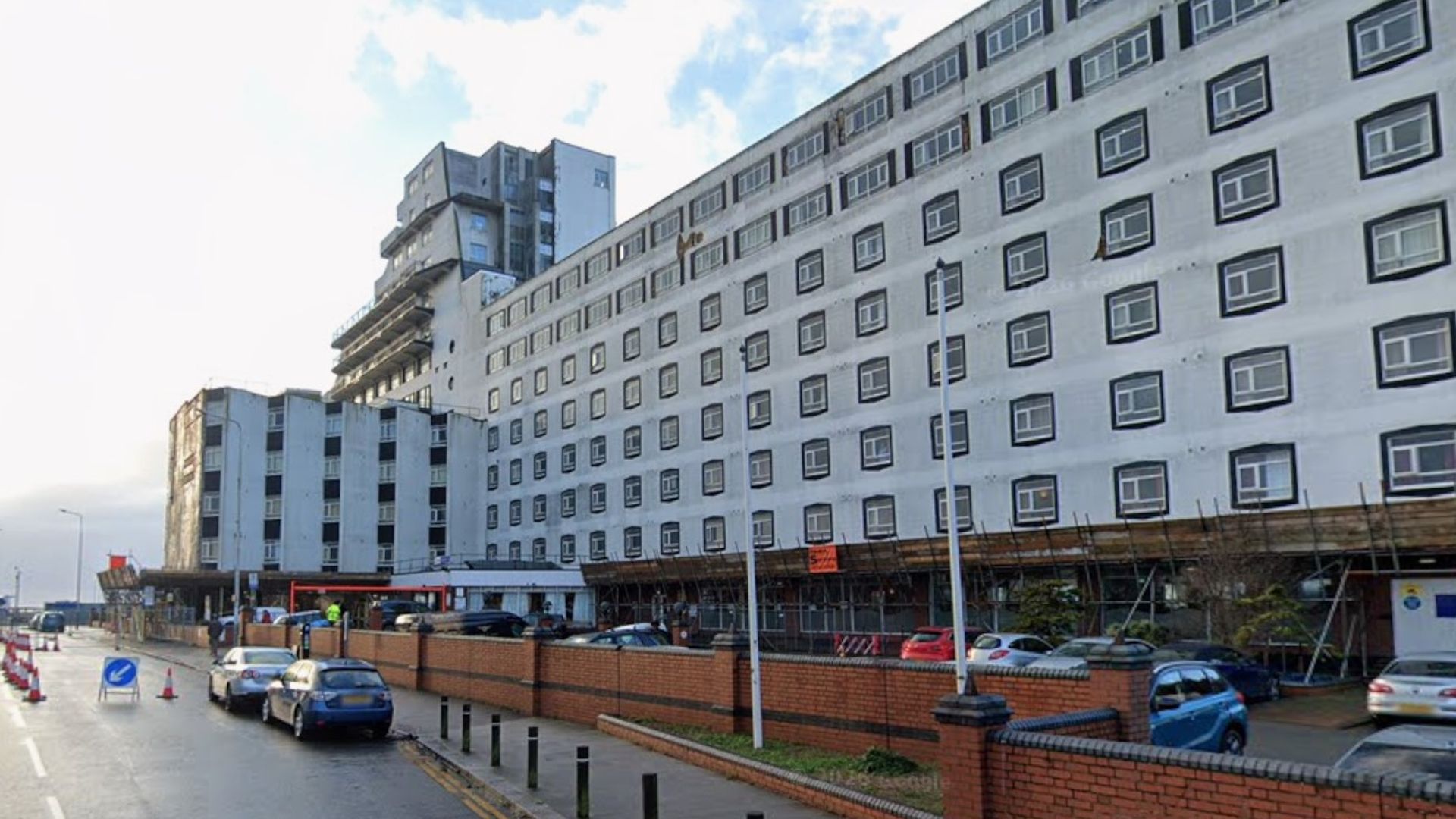
Security failures during high-visibility religious commemorations do not occur in a vacuum; they represent the systemic intersection of predictable target selection, temporal fixedness, and architectural vulnerability. When gunfire erupted near an Ontario synagogue during Yom Kippur, resulting in critical injuries to a civilian and wounding a police officer, the incident exposed the inherent friction points between open community worship and hardened threat mitigation. Deconstructing this event requires setting aside emotional narratives to examine the operational mechanics of target prioritization, perimeter defense, and tactical law enforcement response under acute stress.
The Economics of Fixed Target Vulnerability
Religious institutions operating on established high-holiday calendars present an adversary with maximum operational predictability. Yom Kippur concentrates high-density populations into specific geographic coordinates at rigidly fixed times. From an analytical perspective, this creates an asymmetric advantage for any bad actor. The target does not move, the schedule is public knowledge, and the congregation is inherently preoccupied with ritual rather than situational awareness.
Institutional defense in these environments suffers from a fundamental structural conflict. Houses of worship are culturally and socially designed to be open, welcoming community hubs. Hardening them to military-grade standards destroys their primary utility. Therefore, security practitioners must rely on layered defense models. When the outer perimeter fails or is bypassed, the system shifts immediately from prevention to containment.
The incident in Ontario highlights the cost function of static protection versus dynamic threat detection. Without armed, trained personnel stationed at the immediate threshold of ingress, response times are dictated entirely by external law enforcement dispatch loops. In high-stakes scenarios measured in seconds, reliance on external dispatch guarantees a window of unhindered action for an assailant.
Perimeter Dynamics and the Threshold of Intervention
The physical geography surrounding urban religious sites typically features constrained ingress and egress routes, high foot traffic, and limited sightlines for vehicular monitoring. In the Ontario incident, the engagement occurred near the facility, indicating that the threat manifest within the immediate outer perimeter rather than deep inside the sanctuary.
This specific positioning alters the tactical calculus significantly. An outer perimeter breach limits the utility of internal shelter-in-place protocols, forcing security elements or responding officers into immediate, reactive kinetic engagements. The spatial mechanics of a street-level or sidewalk confrontation leave little room for negotiation or tactical repositioning.
The velocity of an active threat event compresses decision-making cycles into milliseconds. When a police officer is wounded in such an exchange, it demonstrates that armed adversaries operating with tactical initiative hold an initial structural advantage. The defender must process visual stimuli, identify target distinction amidst civilian bystanders, and apply proportional kinetic force, while the assailant requires only target acquisition and execution.
Ballistic Realities and Law Enforcement Response Variables
Police-involved gunfire in close-quarters urban settings introduces severe operational variables. Responding units arriving at a chaotic scene face profound information deficits. Uniformed officers must reconcile conflicting descriptions, high ambient noise, and civilian panic while entering an active kill zone.
The wounding of a police officer in this theater underscores the physical hazards of close-range armed confrontations. Ballistic protection standard to municipal patrol units—typically soft body armor rated for handgun calibers—offers limited mitigation if rifle fire or close-quarters ambushes are deployed. Furthermore, return fire in populated urban sectors carries a high collateral risk profile. Officers must balance the imperative to neutralize the threat against the severe liability of stray rounds penetrating urban structures or striking non-combatants.
The tactical response must be evaluated through the lens of force multiplication. A single patrol unit arriving on scene acts as an initial containment element, not a definitive neutralization force. Until specialized tactical teams or coordinated backup arrive, the primary objective is suppression and drawing the assailant's fire away from concentrated civilian populations.
Systemic Limitations of Municipal Policing Models
Municipal law enforcement agencies operate under resource constraints that preclude the permanent stationing of dedicated tactical units outside every religious institution during major holidays. Consequently, departments rely on intelligence sharing, increased patrol frequency, and community liaison programs.
This reactive deployment model creates response lag. Even with rapid dispatch, the physical transit time from a patrol sector to a specific fixed target leaves a temporal gap. The Ontario shooting forces a critical re-examination of how municipal resources are allocated during high-risk religious observances. Relying on randomized drive-by patrols is insufficient when targeted threats possess specific temporal intelligence.
To bridge this gap, modern institutional defense requires private-public integration. Trained private security details, coordinated directly with municipal command centers, serve as the immediate stopgap during the critical window before patrol units arrive. However, disparities in funding and training across different institutions mean that smaller congregations remain dangerously exposed, creating a stratified security landscape where only well-funded organizations can afford effective deterrence.
Strategic Forecast and Preventive Architecture
Mitigating future incidents of this nature demands a fundamental shift from reactive police response to predictive target hardening. Intelligence networks must prioritize tracking radicalization vectors and communication channels that spike preceding major religious holidays.
Operationally, institutions must implement strict access control protocols that do not compromise architectural accessibility. This involves the deployment of single-point entry checkpoints, ballistic glass reinforcement for vulnerable ground-level windows, and integrated closed-circuit monitoring monitored by active-duty personnel rather than passive recording systems.
The strategic priority moving forward is the compression of the response loop through decentralized armed readiness. Law enforcement agencies must establish pre-designated tactical staging zones near major religious infrastructure during high-holiday windows, reducing transit times to zero. Until institutional security architecture is treated as critical municipal infrastructure rather than private property protection, urban centers will remain vulnerable to episodic, high-impact tactical assaults.