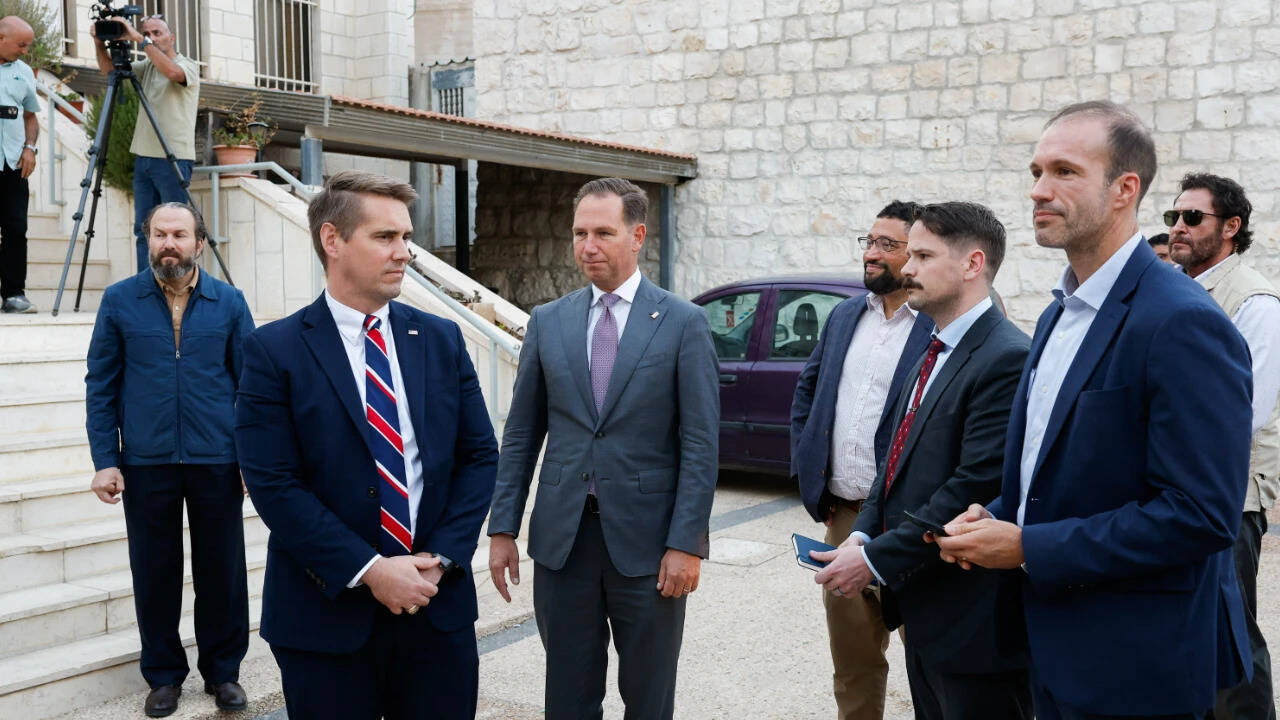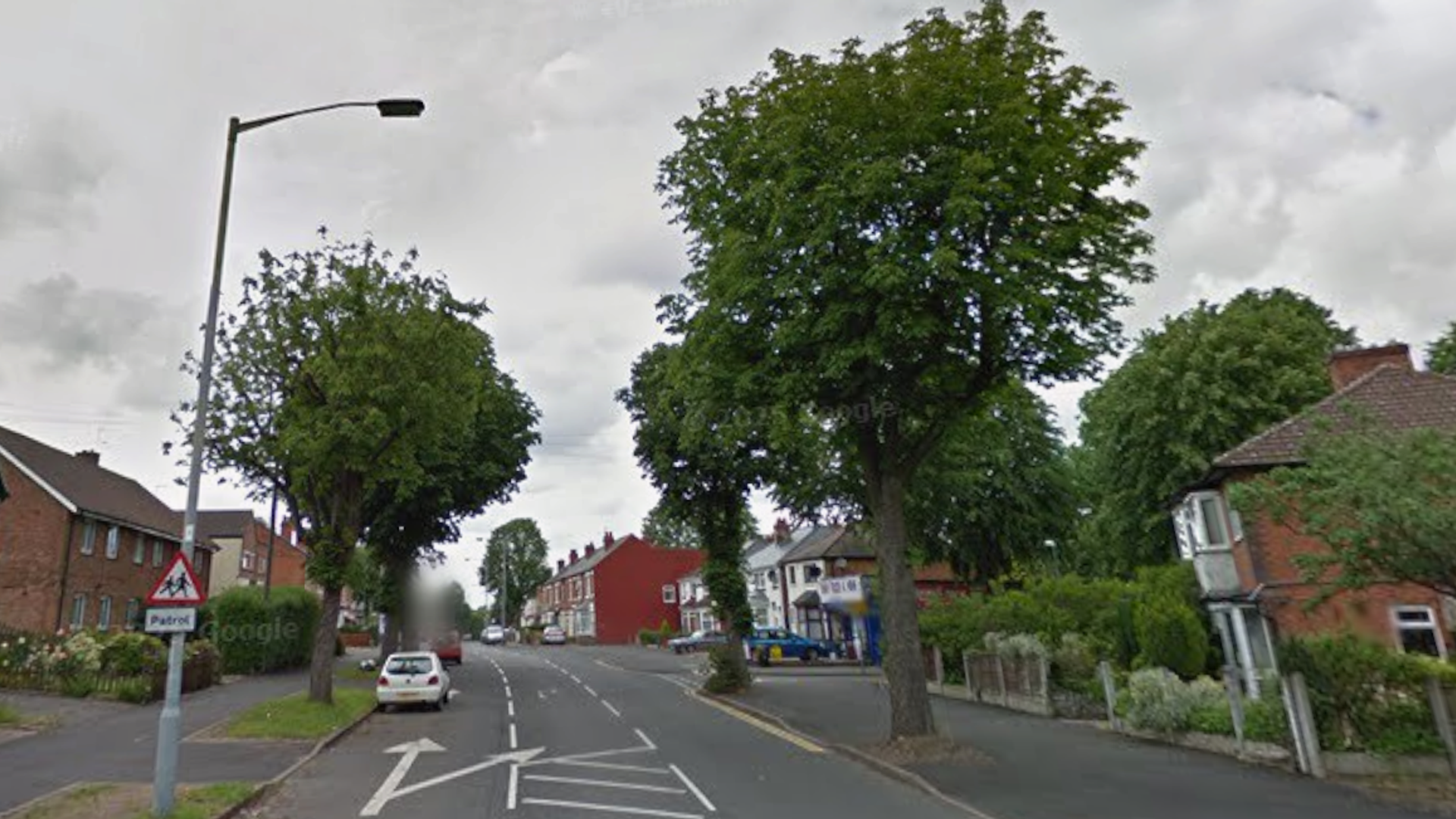
Handcuffs click. Flashbulbs pop. A headline announces that a driver has been arrested after a teenage boy was killed in a crash.
Everyone exhales. Justice looks served. A villain has been found, locked behind bars, and handed over to the moral outrage machine.
It is theater. Cheap, predictable, comforting theater.
When a teenage boy dies in a road crash and police arrest the driver, standard reporting treats the story as a simple morality play. One person made a fatal mistake or broke the law, a young life was lost, and the legal system stepped in to punish the culprit. That framing fits neatly into a breaking news alert. It satisfies our urge for clean cause and effect. It also leaves the deadliest parts of the system completely untouched.
I have spent years studying traffic safety policy, street geometry, and post-crash investigations across municipalities that pride themselves on being "tough on reckless driving." I have watched city councils pass harsher penalty resolutions after tragedy strikes while approving road designs that practically beg teenagers to misjudge gaps, speed, and sightlines. I have seen officials point to an arrest record as proof of action while ignoring engineering reports that sat on a shelf for years.
If you care about keeping teenagers alive on public roads, arresting a driver after the fact is the finish line of accountability, not the starting line of prevention.
The Arrest Obsession and What It Hides
Conventional crash coverage focuses almost exclusively on individual culpability. Was the driver speeding? Distracted? Impaired? Did they run a red light or cross a centerline? Those questions matter in a criminal courtroom, where prosecutors must prove specific conduct beyond a reasonable doubt.
They are terrible questions for public safety.
Criminal law is built to assign blame to a person after harm occurs. Traffic engineering and public health are built to reduce the probability and severity of harm across millions of trips before anyone gets hurt. Confusing those two jobs is the lazy consensus that keeps repeating the same tragedies under new dates.
When a crash kills a teenager, the immediate arrest gives institutions an easy exit ramp. Police can show responsiveness. Prosecutors can pursue charges. Elected leaders can offer condolences and promise that the full weight of the law will apply. Meanwhile, the street where the boy died often stays wide, fast, poorly lit, or awkwardly configured—waiting for the next unlucky combination of inexperience, distraction, weather, and bad geometry.
Let us be precise about terms here, because sloppy language muddies every conversation about road deaths. In traffic safety, a crash is a physical collision governed by kinetic energy, reaction time, sight distance, and vehicle dynamics. Culpability is a legal and moral judgment about human choices. Treating those words as synonyms makes people think that punishing a driver automatically fixes the physics that killed a child.
It does not. Physics does not care about a sentencing hearing.
Why Teenagers Are Caught in the Crossfire
Teenagers sit at a brutal intersection of biology and environment. Brain systems governing impulse control, risk evaluation, and divided attention are still maturing through adolescence and into the mid-twenties. At the same time, young drivers—or young pedestrians, cyclists, and passengers—have far less exposure to complex traffic situations than adults.
Put an inexperienced brain into an environment engineered for maximum throughput rather than human margin for error, and tragedy becomes a statistical likelihood rather than a fluke. Wide lanes encourage higher speeds. Long stretches between controlled crossings tempt risky gap judgments. Glare, blind curves, missing sidewalks, and confusing lane drops punish tiny errors with catastrophic force.
Arresting a driver after a teen dies tells the public, "A bad actor caused this." Often, a more honest diagnosis is, "A volatile mix of youth, human error, and forgiving-to-speed, unforgiving-to-mistake infrastructure collided at high energy."
The Questions People Keep Asking After a Teen Crash
Whenever a headline like "Driver arrested after teenage boy killed in crash" trends, the same follow-up questions pop up everywhere. Most of them start from a shaky premise.
"Shouldn't drivers who kill teenagers face the harshest possible penalties?"
Harsh penalties feel satisfying when grief is raw. Who would argue for leniency when a boy is dead?
Yet decades of criminology and traffic safety research show a stubborn reality: severe after-the-fact punishment has weak, inconsistent deterrence effects on everyday driving behavior, especially among young people or split-second mistakes. Drivers rarely get behind the wheel thinking, "I will risk vehicular homicide today because the sentence is manageable." They speed because the road feels fast. They glance at a phone out of habit. They miscalculate because visibility is poor or traffic moves unpredictably.
Deterrence works far better when enforcement is visible, consistent, and paired with street design that makes dangerous speeds feel unnatural. Locking someone up after a teenager is already dead is justice for the state and family; it is not a safety plan for tomorrow morning's commute.
"Was the driver reckless, or was it just an accident?"
That binary is almost always a trap.
In traffic safety circles—including frameworks championed by organizations like the National Association of City Transportation Officials (NACTO), the World Health Organization, and Safe System practitioners worldwide—calling a fatal crash a pure "accident" is rightly criticized because it implies inevitability. Yet labeling every fatal crash pure "recklessness" swings too far the other way, turning complex human and environmental failures into cartoon villainy.
Most fatal crashes involve a chain of contributing factors. A driver might be going ten miles per hour over a posted limit that everyone ignores because the street looks like a highway. A teenager might step out or turn across traffic where sightlines are blocked by parked cars or foliage. A vehicle's hood height and front-end geometry might turn an impact into fatal blunt-force trauma rather than a survivable injury.
Calling it simply "reckless" or simply an "accident" lets everyone off the hook except the person in handcuffs.
"How can families and communities actually prevent the next crash?"
By shifting attention upstream from courtroom drama to physical and systemic change.
Stop treating a single arrest as closure. Start treating every fatal crash involving a young person as a system audit.
A Thought Experiment in Accountability
Imagine a scenario where a city responds to a fatal crash involving a teenage boy not with a press conference bragging about an arrest, but with a mandatory Safe System post-mortem published within thirty days.
In this scenario, the arrest still happens if criminal conduct occurred—the justice system does its job. Alongside it, traffic engineers, public health researchers, school representatives, and urban planners examine every link in the chain:
- What were actual travel speeds on that stretch over the prior year, not just the posted limit?
- How many near-misses or prior collisions happened within a quarter-mile?
- Could a teenager reasonably see oncoming traffic and judge its speed from every crossing point?
- How does kinetic energy at that impact speed interact with the human body?
- What changed on the street within two weeks of the fatality?
Imagine how different public debates would look if every tragedy triggered concrete physical redesigns—narrower lanes, protected crossings, lower design speeds, better lighting, safer intersections—instead of ending once a mugshot hits the local news.
What the Heavy Hitters Know That Breaking News Ignores
Serious road-safety experts have been sounding this alarm for years. Vision Zero pioneers, transportation engineers, and injury-prevention researchers—from Swedish road-safety architects who shaped the Safe System approach to modern urbanists and trauma surgeons—converge on one core insight: humans make mistakes, and a humane transport system accommodates human fallibility instead of making errors fatal.
A system built around arresting drivers after fatalities violates that principle at its core. It assumes perfection from people operating multi-ton machines or navigating complex streets, then expresses shock when perfection fails.
Trauma surgeons see the aftermath up close. Speed is not a minor detail in a crash; kinetic energy rises with the square of velocity. Doubling speed quadruples kinetic energy. A small bump in speed can mean the difference between a broken bone and a closed casket—especially for a teenager whose body and judgment are still developing.
If a road corridor allows speeds of 45 or 50 mph through an area where teenagers walk, bike, or drive, blaming the lone driver in handcuffs ignores the math written into the pavement.
Where My Contrarian Stance Has Real Downsides
Being contrarian is easy when you do not have to answer to grieving parents or manage a courtroom docket. So let me be straight about the limits and risks of pushing this argument too hard.
First, minimizing driver responsibility can sound cold when someone is grieving. When a teenage boy dies, his family wants moral clarity and accountability for the person behind the wheel. If public commentary sounds like it is excusing dangerous driving or letting offenders off easy, it alienates people who have every right to be furious. Holding systemic flaws in view does not mean erasing individual choices—especially when impairment, extreme street racing, or gross negligence is involved.
Second, focusing too heavily on long-term engineering can become an excuse for inaction today. Redesigning roads takes budgets, permits, political will, and time. While planners debate curb extensions or speed humps, drivers still need clear rules, sober judgment, and real consequences for reckless behavior right now.
Third, not every crash is primarily an infrastructure failure. Some crashes happen on quiet, well-designed streets because someone chose to drive drunk, stare at a screen for ten seconds straight, or treat public roads like a racetrack. Pretending every tragedy is just a bad intersection is its own kind of lazy thinking.
The trick is holding both truths at once without letting one erase the other: individuals make choices that deserve legal scrutiny, and systems shape choices and outcomes in ways that no arrest can undo.
What to Do Instead of Waiting for the Next Mugshot
If you are a parent, resident, advocate, or local leader tired of reading the same tragic script—a teen killed, a driver arrested, nothing on the street changed—here is what actually moves the needle:
- Demand crash-site audits, not just criminal updates. When a fatal crash happens near you, ask city council members and transportation officials for speed data, crash history, and engineering reviews for that exact location.
- Focus on speed and sightlines first. Push for physical speed management—raised crosswalks, narrower travel lanes, chicanes, roundabouts, better lighting—rather than relying solely on signs that drivers ignore.
- Teach teenagers about energy and margin, not just rules. Most teen driving advice recites slogans like "pay attention" and "obey the speed limit." Walk young drivers through real stopping distances, blind spots, gap selection at left turns, and why a "small" amount of extra speed changes crash outcomes so drastically.
- Audit local teen routes before a tragedy happens. Look at the roads around high schools, parks, jobs, and sports fields with fresh eyes. Where do kids cross? Where do cars accelerate? Which turns force rushed decisions? Fix the obvious hazards before they become memorials.
A headline about an arrest tells you the police made a case. It tells you almost nothing about whether the road is any safer tonight than it was yesterday.
Stop mistaking punishment for prevention.