The room smells of old wool, heavy carpets, and the peculiar brand of electric tension that only international summits can manufacture. Outside, the November air of New York bites with the specific cruelty of the East Coast. Inside, the lights are blindingly white, bouncing off mahogany tables and the polished lapels of men who spend their lives measuring words in millimeters.
Power speaks in whispers. Or, occasionally, it tries to sing. Recently making waves in this space: Why That Million Dollar Italian Wine Heist Is Actually a Masterclass in Free Marketing.
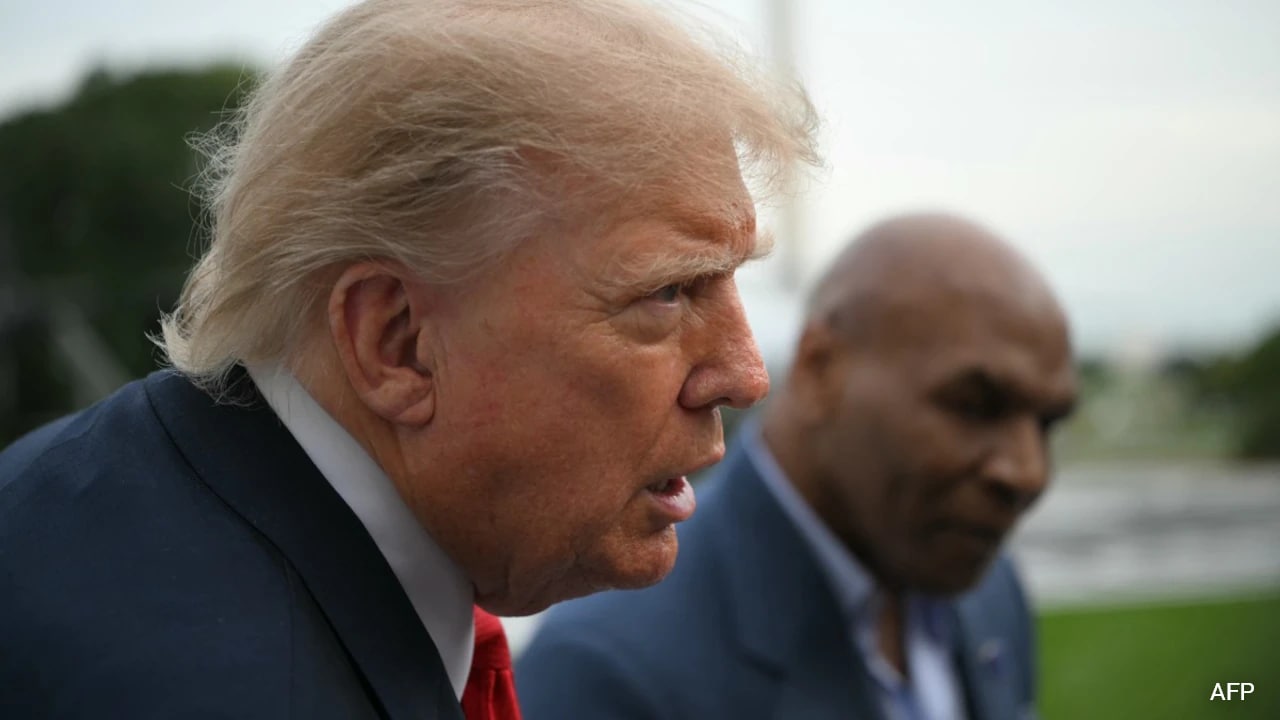
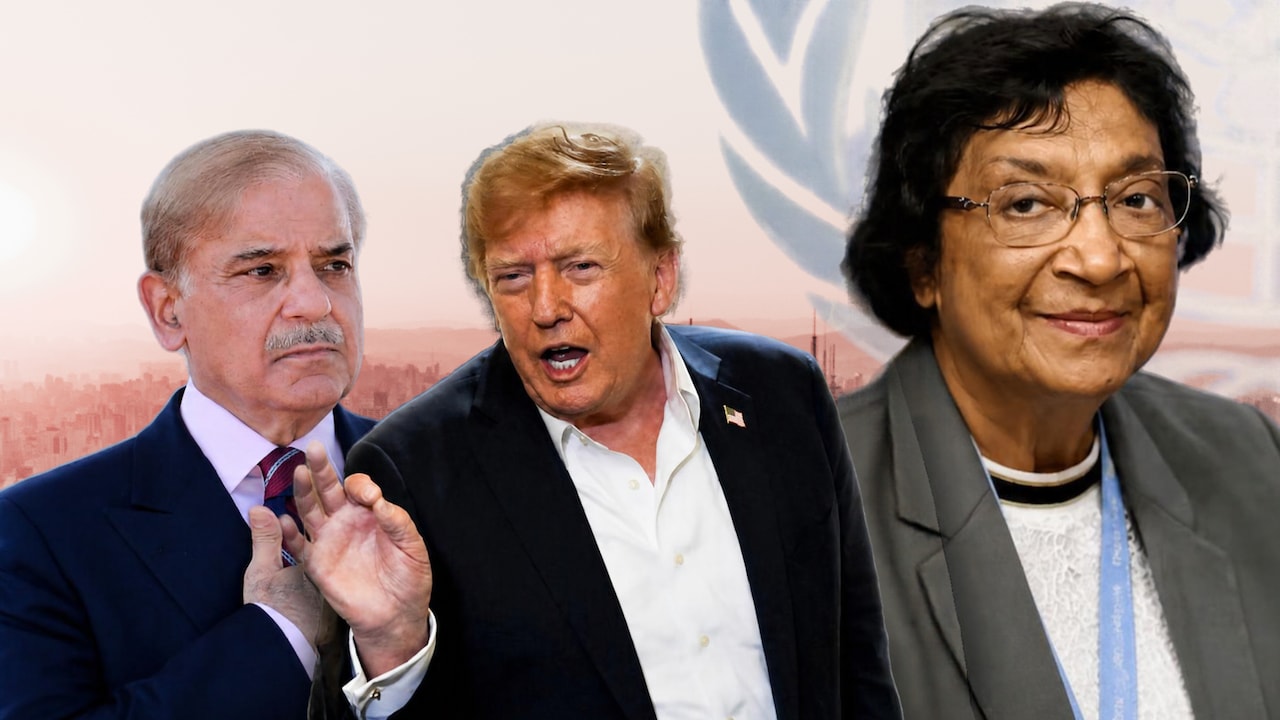
When the Pakistani Prime Minister stepped toward the microphone to offer a Nobel Peace Prize nomination to Donald Trump, the gesture was not merely political. It was theatrical. It was an olive branch dipped in strategic lacquer, tossed onto the global stage with all the subtlety of a brass band marching through a library. The calculation was ancient. Flattery remains the cheapest coin in the realm of diplomacy, and a nomination for the world's most coveted peace prize is a heavy-duty currency.
Yet, the recipient of this rhetorical bouquet did not reach out with a diplomatic smile or a practiced bow of gratitude. He offered a joke. Further insights into this topic are covered by USA Today.
Laughter filled the brief space where gravity should have lived. That singular moment captures the modern theater of statecraft. We live in an era where high-stakes geopolitical maneuvering collides head-on with reality television timing. One side plays the solemn game of institutional honors, drafting formal praise like medieval courtiers petitioning a monarch. The other treats the same honor like a punchline delivered to a late-night audience.
Consider what happens next in the mind of the average observer. You watch the clip on a glowing rectangle while your morning coffee cools on the counter. The absurdity strikes you first. Then, the calculation sets in. Why would a leader of a sovereign nation publicly dangle the most prestigious international accolade before a polarizing American figure who has spent decades disrupting global norms?
The answer requires looking past the cameras and examining the architecture of survival.
Nations like Pakistan operate in a perpetual gale-force wind of economic fragility and regional volatility. Foreign policy there is rarely an abstract philosophical exercise. It is triage. Every diplomatic overture is a lifeline thrown into a churning sea. To praise an unpredictable American leader is to buy insurance against future storms. It is a bid for attention, a signal beamed across oceans that says, Remember us. We are useful. We are compliant. We are looking your way.
But the punchline reveals the fracture in the strategy.
When the joke lands, the illusion of solemnity shatters. It reminds everyone in the room that the grand rituals of diplomacy—treaties, medals, handshakes, and honorary nods—are often just props in a play where nobody is entirely sure who wrote the script. The audience chuckles because the disparity between the formal weight of a Nobel nomination and the casual dismissal of a quip is too wide to bridge with straight faces.
We have grown so accustomed to this ironic detachment that we barely notice how hollow it feels. Every public interaction is curated for virality. Every diplomatic gesture is stress-tested for how it will play on a digital feed thirty seconds after it occurs. The sacred has been flattened into content.
Step back for a moment and look at the players. On one side stands a leader navigating an impossible domestic landscape, balancing military influence, economic debt, and the relentless pressure of regional rivals. Every word is weighed, scrutinized by opposition parties at home and cynical allies abroad. The Nobel suggestion was designed to project statesmanship, to wrap the current administration in the cloak of global peacemaking.
On the other side stands a political phenomenon who long ago abandoned the grammar of traditional diplomacy. To him, institutional honors are either weapons to be wielded or punchlines to be tossed away. The rejection of the premise through humor is a display of dominance. It says: I do not need your validation to be significant; I can turn your solemn tribute into a late-night monologue.
This dynamic exposes the deep fatigue settling over international relations. We are tired of the grand pretenses. We know the peace prizes are often political calculations. We know the summits are frequently choreographed photo ops. When someone finally laughs at the machinery, part of us feels a secret rush of relief. The emperor's new clothes are not just transparent; the emperor is cracking jokes about the tailor.
Yet, beneath the cynical amusement lies a quiet tragedy.
When international diplomacy becomes a stand-up routine, real people bear the cost. The citizens waiting for inflation to ease, for borders to stabilize, or for healthcare systems to function do not get to laugh off the punchline. For them, foreign policy is not a televised spectacle. It is the price of wheat. It is the availability of electricity. It is the security of their children walking to school in cities where geopolitical games cast long, dark shadows.
The Prime Minister offers hope wrapped in gold-foil honors. The winner offers a quip that plays well to the cameras. And somewhere in the vast, shivering space between the two, the actual business of human survival gets lost in translation.
The cameras stop rolling. The lights dim. The translation headsets are dropped into their plastic bins by tired technicians who have heard a thousand speeches just like this one. The dignitaries shuffle out into the cold New York evening, climbing into the armored flanks of black SUVs that idle against the curb.
Tomorrow, the news cycle will pivot. A new crisis will demand a new performance. Another leader will step up to a microphone, searching for the right combination of flattery and theater to capture the attention of a distracted world. And somewhere in the dark, the rest of us will keep watching, waiting for a punchline that actually means something.