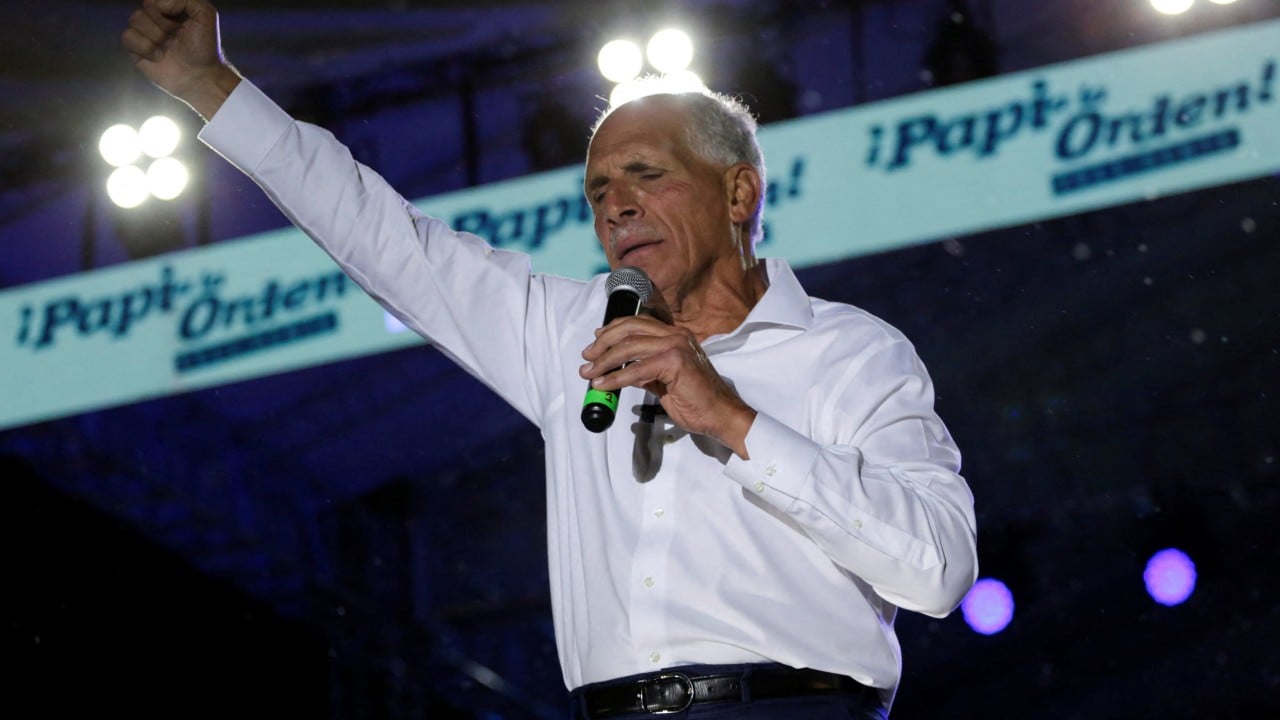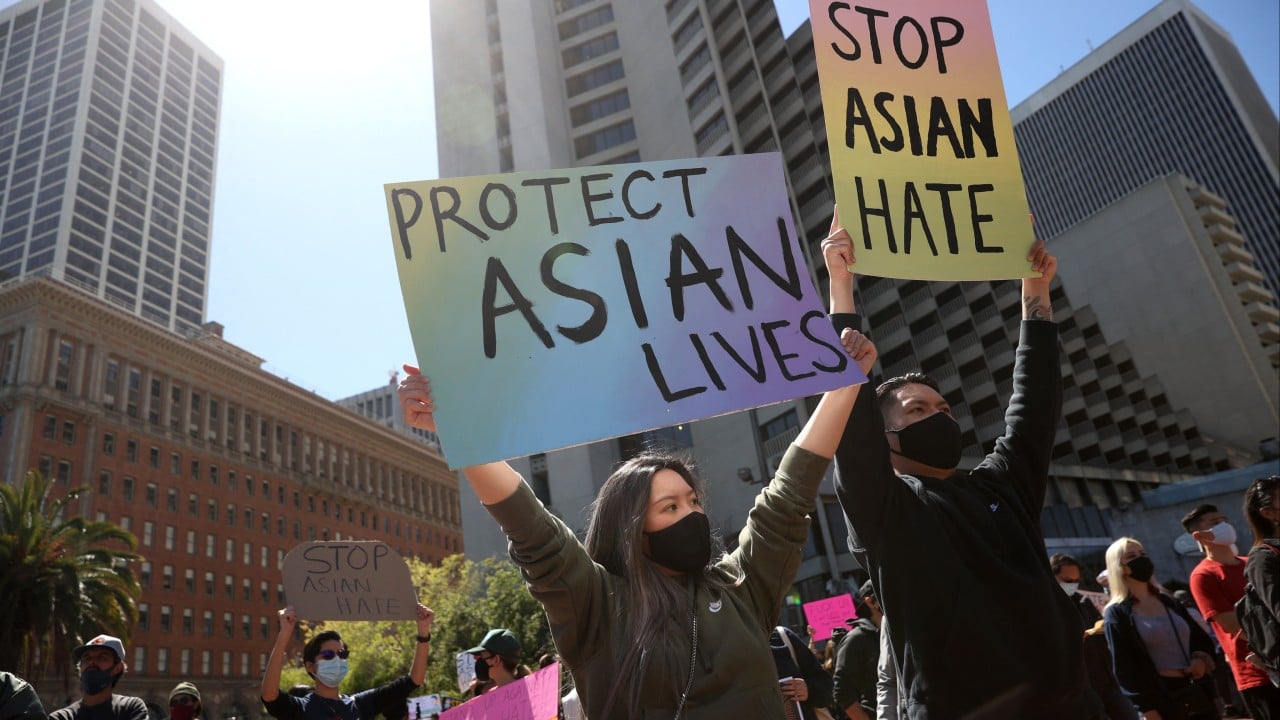
Asian Americans are pulling back from President Donald Trump and the Republican Party as rising living costs, stubborn inflation, and higher prices at the pump and grocery store collide with everyday household budgets. According to October 2026 polling from AP-NORC and AAPI Data, roughly nine in ten Asian American, Native Hawaiian, and Pacific Islander (AANHPI) adults rank the economy among their top voting priorities, while about one-quarter approve of Trump's overall job performance and roughly two in ten approve of his economic stewardship. What looked like a promising Republican opening in 2024 has eroded into sharp skepticism.
Surface-level coverage treats this story like a simple pendulum swing. Voters feel squeezed, so they blame the incumbent and drift back toward Democrats. That framing misses how complex Asian American economic life actually is.
The Myth of Monolithic Affluence
Averages lie when applied to the fastest-growing racial group in the country. Policymakers and pundits still lean on broad household income averages to paint Asian Americans as uniformly prosperous, overlooking deep divides across national origins, age cohorts, and local cost structures.
A tech engineer in Seattle and a nail salon worker in Queens do not experience the same inflation. Housing costs, childcare bills, and health care premiums hit working-class and multigenerational households far harder than high-earners with equity cushions. In the October 2026 AP-NORC/AAPI Data survey, 83 percent of AANHPI adults pointed to the cost of living as a decisive issue alongside the broader economy, and 73 percent highlighted health care.
Economic anxiety among Asian Americans is not an abstract macro debate; it shows up on itemized receipts, utility bills, and small-business balance sheets.
💡 You might also like: Washington Shifts Stance as Envoy Redefines Kashmir Status
Consider a hypothetical example to see how these pressures compound. Suppose a family-run dry cleaner or neighborhood restaurant in the Midwest relies on imported packaging, specialty ingredients, and steady foot traffic. When trade duties raise supply costs and energy shocks push fuel prices higher, the owner faces an ugly choice: raise menu or service prices and risk losing price-sensitive regulars, or absorb the hit and watch thin margins vanish.
Small Business Pressures and Trade Friction
Asian American entrepreneurs punch well above their population share in small business ownership. They own roughly 11 percent of U.S. small businesses and nearly one-fifth of restaurants nationwide. When tariff regimes shift abruptly or supply chains tighten, those businesses sit right on the front lines.
Research from the Federal Reserve has documented how tariffs gradually pass through into retail prices over time rather than appearing all at once. Even when courts strike down specific executive tariff actions—as the U.S. Supreme Court did in February 2026 regarding certain emergency levies—businesses still contend with retaliatory duties, shifting compliance rules, and lingering price volatility.
Energy costs add another layer of strain. Survey respondents in the fall 2026 polling pointed to spikes at the gas pump and wider geopolitical conflict, including the war in Iran, as factors driving up everyday expenses and souring confidence in the administration's economic track record.
| Pressure Point | How It Hits Households & Shops | Political Consequence |
|---|---|---|
| Everyday Cost of Living | Higher grocery, gas, and health care costs squeeze monthly budgets | Erodes approval of Trump's economic handling |
| Trade & Supply Volatility | Tariff shifts and import costs pressure small merchants and restaurants | Fuels frustration over predictability and business margins |
| Immigration Enforcement | Raids, detentions, and visa hurdles create household and labor anxiety | Links immigration policy directly to economic security |
Where Immigration and Economics Collide
Conventional political analysis treats the economy and immigration as separate lanes. Among Asian American voters, those lanes merge.
Large-scale immigration enforcement, visa restrictions, and detention sweeps do not just register as civil rights or legal stories. They affect mixed-status households, international students, skilled workers, and service-sector staffing. Data analyzed by the Deportation Data Project and Stop AAPI Hate showed a sharp jump in ICE detentions of people of Asian descent from January 2025 through August 2026 compared with the prior comparable period, with Indian and Chinese nationals making up major shares.
As researcher Karthick Ramakrishnan has noted in coverage of the polling, even when observers assume Asian Americans are financially cushioned, aggressive immigration enforcement generates real economic insecurity. A family worrying about a relative's legal status or a business owner facing tighter labor pools feels that instability in their wallet.
Skepticism Cuts Both Ways
Declining trust in Trump and Republicans does not automatically hand Democrats a blank check. Polling shows a sizable share of Asian Americans expressing frustration or lukewarm enthusiasm rather than unbridled excitement.
Many voters remain wary of both parties on specific issues. A portion of the electorate still leans conservative on crime, taxes, or certain social questions, and party loyalty varies noticeably by age, ancestry, and region. Older AANHPI adults, for instance, show higher trust in Republicans on foreign policy and health care than younger cohorts, while shifts among groups like Vietnamese and Filipino Americans complicate old stereotypes.
Disillusionment with the GOP is real, yet a large bloc of Asian American voters remains persuadable—and deeply skeptical of political sales pitches that ignore kitchen-table math.
Campaign strategists who assume Asian Americans will simply snap back into a reliable column misread the electorate's independence. Voters who swung or stayed open to change in 2024 were largely testing whether promises of lower costs and stronger pocketbooks would materialize. When prices stay sticky and global shocks ripple outward, accountability arrives fast.
What Observers Should Watch Next
Track disaggregated data rather than headline averages. Look closely at how voters in high-cost metros versus suburban and smaller-city districts respond to inflation, housing supply, and health care costs, and watch how small-business owners weigh trade stability against partisan branding.
Pay equal attention to turnout and non-voters. Low excitement in midterm polling suggests that dissatisfaction does not always convert into automatic enthusiasm for the opposition; sometimes it produces abstention or ticket-splitting. Economic pain explains why trust is slipping—the harder test for both parties is proving they can actually lower the cost of living.