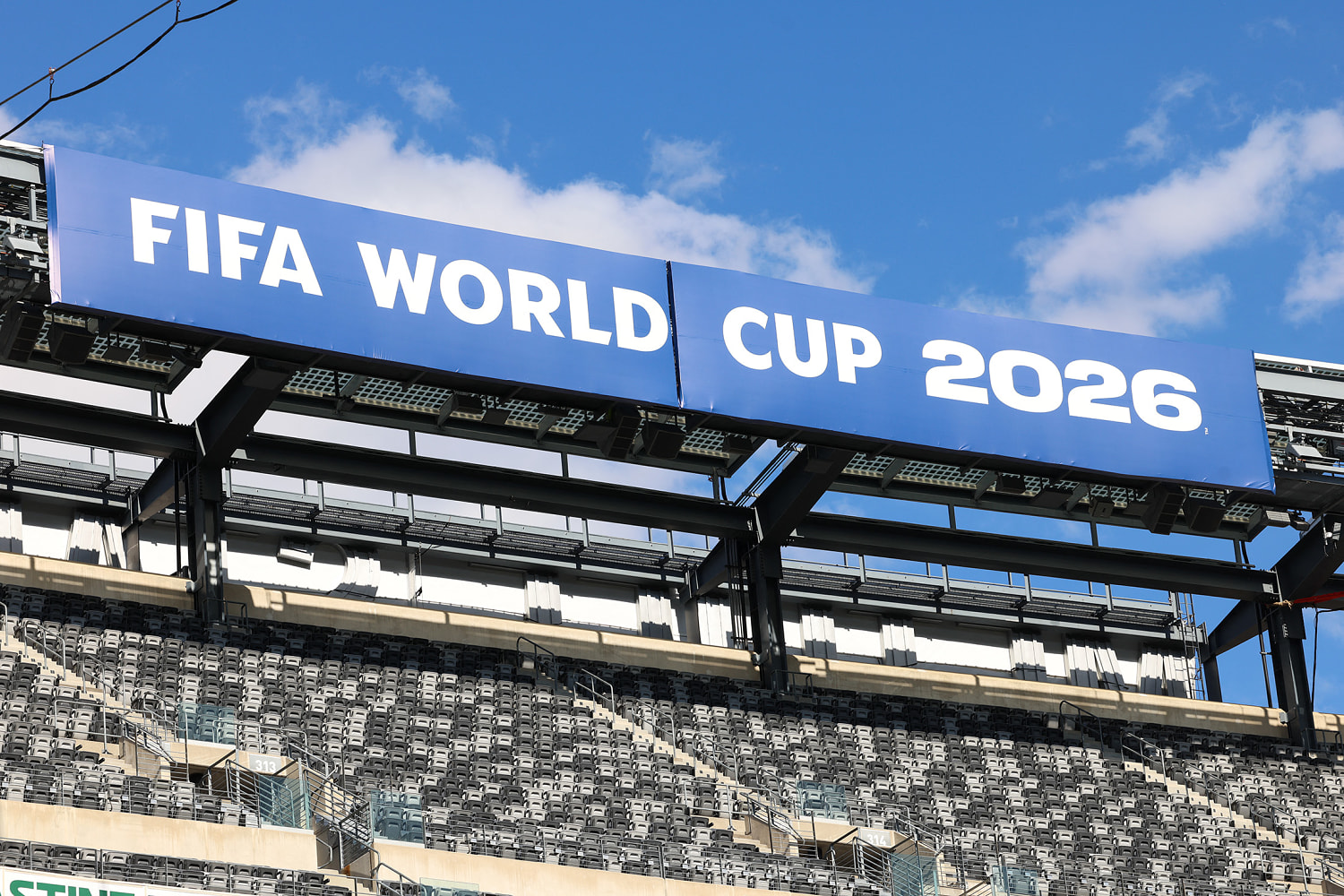
You see the headlines screaming about $60 tickets to the 2026 World Cup and you think, "Hey, I can actually pull this off."
Don't fall for it.
That double-digit price tag is a statistical anomaly. It's basically a public relations shield for FIFA, making up just 1.6% of the total ticket inventory. For the general public, trying to score an entry to a single group stage match feels closer to funding a minor home renovation.
If you want to sit in a stadium and watch 22 men kick a ball on the world's biggest stage, you need to look past the face value of a ticket stub. The true cost of attending a World Cup game involves a painful mix of dynamic ticket pricing, predatory hotel markups, and local transit surcharges that will make your eyes water.
Let's pull back the curtain and look at the actual math behind attending a match in North America, without the corporate sugarcoating.
The Ticket Trap and What You'll Actually Pay
Getting a ticket at face value through the official FIFA portal requires the kind of luck usually reserved for lottery winners. If you aren't a member of an official national team fan club with a long history of verified match attendance, forget about the $60 Supporter Tier.
For the general public, the real floor for a neutral group stage match is $120 for Category 3 seats. Those are the ones high up in the rafters, behind the goals. If you want to see a host nation like the United States, Mexico, or Canada play, that baseline jumps significantly. A Category 1 sideline ticket for a US Men's National Team group stage game can top $2,700 face value.
Then come the knockout rounds. Prices multiply exponentially. By the time the tournament reaches the semi-finals, a Category 3 ticket sits around $1,040 after fees. Want to go to the Final at MetLife Stadium? Official face-value Category 1 tickets skyrocketed to a record-breaking $10,990. For context, the top ticket at the 2022 Final in Qatar was around $1,600.
If you miss the official FIFA windows and resort to secondary resale markets, the premium gets absurd. Marquee group stage matchups like Brazil vs Scotland or Mexico's opening match are commanding anywhere from $1,000 to $1,500 just to get through the turnstiles.
The True Cost of Sleeping and Flying
A ticket is just your license to enter the stadium. Getting to the host city and finding a bed is where your budget goes to die.
Hotels across the 16 host cities are operating with zero shame. Immediately following the match draws, average room rates near venues spiked by over 300%. An ordinary budget hotel that usually costs $150 a night suddenly demands $600 or more on match weekends.
Let's look at a realistic per-match weekend budget if you're traveling domestically within the United States to a neutral group stage game
- Category 3 Ticket (with 15% FIFA fee): $138 to $230
- Domestic Return Flight: $200 to $800
- Hotel Accommodation (2 nights): $300 to $900
- Ground Transportation: $50 to $150
- Stadium Food, Drinks, and Merch: $80 to $150
That puts your baseline for a single, low-stakes group stage game between $850 and $2,300 per person. If you intend to follow a specific team through the knockout rounds, you are looking at a cumulative bill easily exceeding $7,000 for tickets alone, before factoring in last-minute flights between host cities.
The Hidden Surcharges Nobody Warns You About
Most fans calculate flights and hotels but completely overlook the logistical friction of navigating massive North American metropolitan areas during a mega-event. Local transit authorities and rideshare apps see the World Cup as an ATM.
Take New York and New Jersey, for example. If you plan to ride the rail from Penn Station out to MetLife Stadium for a game, expect hiked transit fees. A roundtrip ticket specifically for the stadium shuttle service can run as high as $105 per person.
Rideshare apps will be locked in permanent surge pricing around the stadiums before and after matches. A standard $30 Uber ride can easily morph into a $120 bill when 80,000 people hit the sidewalks at the final whistle.
If you are planning to rent a car and drive across borders between the US, Canada, and Mexico, you have to account for wait times. Land border crossings on match days are averaging four to five hours. That means lost time, extra fuel, and potential international data roaming fees. An eSIM for North American travel is a mandatory $50 investment if you want to avoid a massive phone bill when you get home.
Smart Strategies to Blunt the Financial Hit
You don't have to bankrupt yourself to experience the atmosphere, but you do need to be highly strategic. The smartest move you can make right now is leveraging the "friends and family" network.
Look at the fans who are managing to see multiple games without spending five figures. They are deliberately targeting host cities where they have a couch to crash on. If you have an aunt in Atlanta, a college buddy in Houston, or a sister in Los Angeles, plan your match applications strictly around those hubs. Eliminating the hotel bill cuts your total trip cost clean in half.
Another major cost-saving play is targeting specific low-demand fixtures in lower-cost host cities. Watching Austria play Jordan in San Francisco or Iraq take on Norway in Boston offers tickets on secondary markets for under $200. You still get the authentic World Cup stadium energy, the fan fests, and the global crowd vibe without paying the "soccer royalty" premium demanded by teams like Argentina or Brazil.
Skip the stadium concessions entirely. Eat a heavy meal before you head to the security gates. Stadium beers and basic hot dogs are priced at a premium, and waiting in an hour-long line means missing the pre-match warmth. Invest your money in the match ticket itself, not a lukewarm $15 slice of stadium pizza.
Lock in your regional transit passes early, research the free fan shuttle routes provided by host cities, and accept that you might have to walk a mile or two away from the stadium zone before hailing a rideshare. Your wallet will thank you.