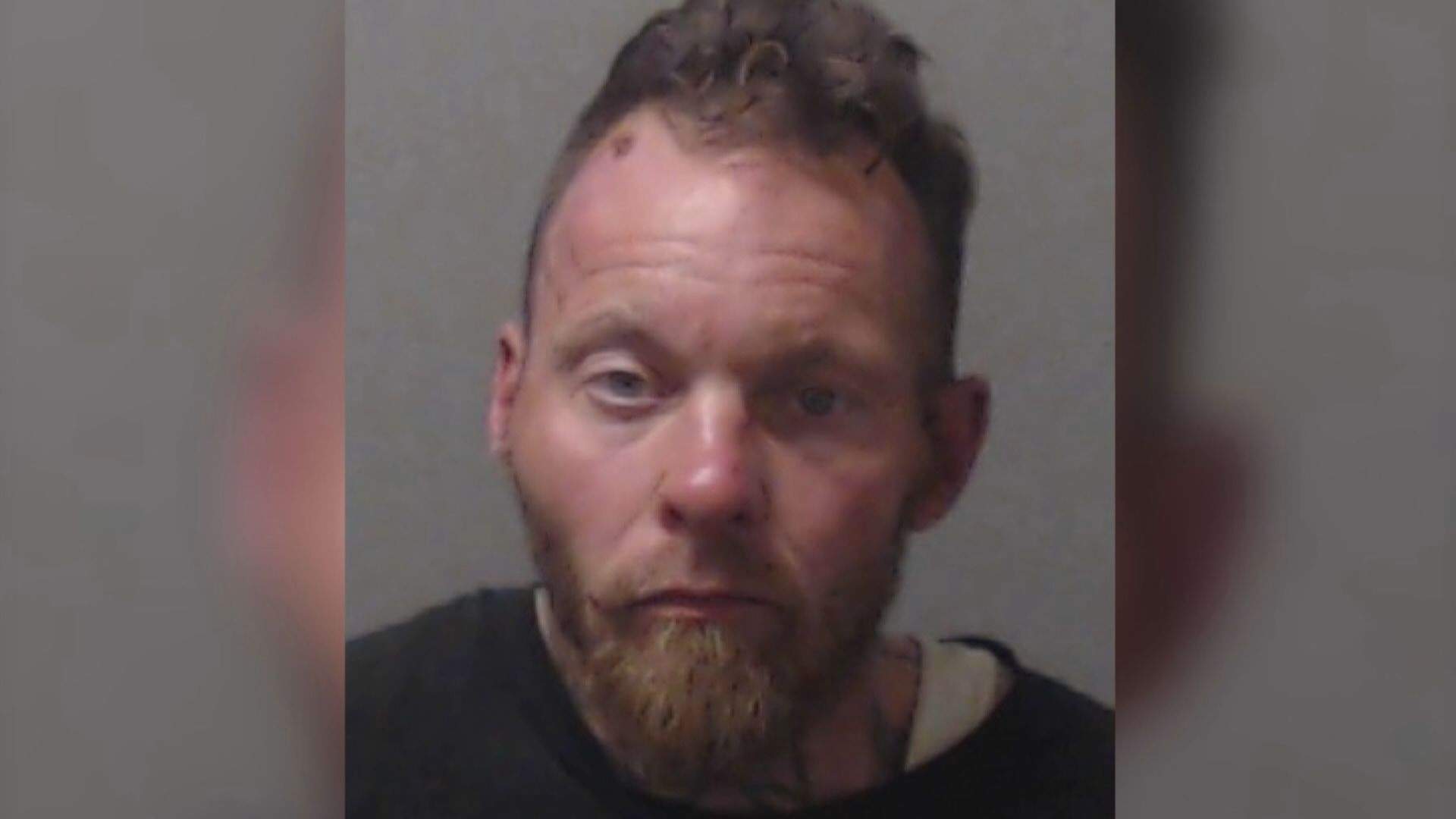
Three days after getting out of jail, Justin Wayne Collins climbed under a fence at the Delta Grand hotel in Kelowna, pulled off all his clothes, and jumped straight into the hot tub. A mother heading to the outdoor spa with her two young children spotted him sitting there naked. Hotel security escorted him off the grounds, but he didn't stay away for long.
Two weeks later, the 49-year-old showed up at Frannie's Coffee, a business located on the hotel property, attempting to swipe food. Staff suspected he urinated on the floor and smoked crack in the bathroom. When an employee told him to leave, Collins argued and tried following her back inside before she managed to lock the door. He stood outside yelling until he finally wandered off. Also making headlines lately: Why President Murmu's Visit to Mother Teresa's Birthplace Means More Than Typical Diplomacy.
This isn't an isolated incident or a bizarre one-off story. Collins has racked up more than 420 police files and at least 64 criminal charges since 2016. Local police have previously labeled him the poster boy for B.C.'s catch-and-release justice system. Yet, despite his staggering record, he was granted bail again after these early 2026 incidents before a provincial court judge finally sentenced him to six months in jail on July 3.
The situation in Kelowna brings a painful reality to light. When a single individual generates hundreds of police interactions without meaningful intervention, the judicial system isn't just straining. It's failing the exact citizens and small businesses it's designed to protect. More information into this topic are explored by TIME.
The Breaking Point of B.C. Bail Reform
Public frustration in British Columbia has reached a boil over how repeat offenders are handled. For years, residents in Kelowna and across the province watched chronic offenders cycle through arrest, temporary detention, and immediate release back into the exact neighborhoods where they committed crimes.
When court records revealed Collins received bail set at $250 following his March 2026 arrest, local politicians spoke up forcefully. B.C. Conservative MLA Kristina Loewen called the situation beyond infuriating. Kelowna Mayor Tom Dyas publicly questioned how any judge could grant bail given Collins' extensive history.
Under Canadian law, a judge granting bail must determine that the accused will show up for court, won't commit further crimes, and doesn't pose an immediate risk to public safety. When someone with over 400 police files gets released back onto the street, everyday citizens naturally ask how those judicial criteria are being met.
The gap between legal theory and community reality creates real anger. Residents aren't asking for draconian punishments for minor infractions. They want accountability for chronic, dangerous behaviors that disrupt public order and put families in uncomfortable, unpredictable situations.
Inside the Rapid Cycle of Chronic Offending
To understand how someone reaches 420 police files, you have to look at how chronic property and public order offenses play out on the ground. Collins' criminal history includes violent assault, robbery, mail theft, mischief, and public indecent acts.
Back in August 2022, Kelowna RCMP took the rare step of issuing a public warning about Collins after he was released from custody following arrests for assault and probation breaches. Police explicitly told the community that Collins had no fixed address, had proven unsuitable for supportive housing environments, and repeatedly ignored court conditions.
The public warning was an admission of institutional helplessness. Police officers were doing their jobs by making arrests and writing reports, only to watch the court system process the individual back onto the street within hours or days.
Here's how the cycle typically breaks down:
- Frequent Arrests: Police respond to calls regarding trespassing, theft, or public disturbance, writing up formal reports each time.
- Immediate Custody: The individual is processed, booked, and held for a temporary bail hearing.
- Conditional Release: Courts issue bail orders with strict conditions, such as staying away from specific businesses or maintaining peace.
- Systemic Non-Compliance: Chronic offenders suffering from severe addiction or untreated mental health issues routinely disregard court conditions.
- Repeat Offenses: New infractions lead to new police files, restarting the entire process from scratch.
This revolving door places a heavy operational strain on local police departments. Every file requires paperwork, officer hours, court prep, and prosecutor review. When hundreds of files center on a handful of individuals, police resources get drained away from proactive community policing and major crime investigations.
Mental Health Addiction and the Failure of Care
A huge piece of this puzzle lies in how B.C. handles severe mental health and substance abuse issues among chronic offenders. During his July 2026 sentencing, Collins told the judge that he's participating in support programs and believes real change is possible.
Back in 2022, health officials and police noted that Collins was linked to health services, but he wasn't consistently accessing public health programs. When someone struggles with chronic addiction and mental illness without stable housing, voluntary treatment programs often fall flat.
Public safety experts point out that the justice system is currently forced to act as a emergency mental health facility, a role it was never built to perform. Jails aren't designed to provide comprehensive long-term psychiatric rehabilitation, but releasing individuals back into homelessness with simple court orders expecting them to self-correct obviously isn't working either.
Without compulsory pathways to medical care or long-term supportive facilities that can handle aggressive behavior, community safety remains at risk. Police leaders in Kelowna have repeatedly stated that without adequate legal consequences tied directly to compulsory health treatment, police officers are stuck running in circles.
Political Pressure and Provincial Programs
The outcry from local business owners and municipal leaders in Kelowna isn't happening in a vacuum. It's driving a fierce debate at both provincial and federal levels regarding bail reform and criminal code adjustments.
The B.C. government has pointed to specific initiatives aimed at curbing chronic offending. The province's Repeat Violent Offending Intervention Initiative (ReVOII) was rolled out to target high-risk violent offenders through coordinated team approaches involving prosecutors, probation officers, and police. Government reports suggest ReVOII helped reduce police interactions for targeted individuals by roughly 50 percent.
Building on that framework, the province expanded the Chronic Property Offending Intervention Initiative (C-POII), committing $16 million over two years to focus specifically on persistent property offenders and public disorder cases.
While provincial officials highlight these numbers as progress, community members in Kelowna look at case files like Collins' and see a system that moves far too slowly. Federal legislation discussions, including proposals surrounding Bill C-14 and Bill C-42, reflect growing federal pushback demanding tougher bail restrictions for repeat offenders across Canada.
Small business owners bear the financial and emotional brunt of this systemic delay. Coffee shop workers shouldn't have to lock themselves inside store premises to avoid aggressive trespassers. Hotel guests shouldn't have their children exposed to indecent acts at recreational facilities.
Actionable Steps for Local Communities and Policy Reform
Fixing a deeply entrenched justice issue requires action on multiple fronts, from municipal reporting to federal policy changes. If you live or run a business in an area dealing with chronic public disorder, here are concrete steps to help protect your property and push for systemic accountability:
- Document Every Interaction Thoroughly: Never skip reporting minor property damage, trespassing, or harassment to local police. Official police file counts directly influence prosecutor decisions and judicial assessments during bail hearings.
- Install Clear Trespass Warnings and Security Upgrades: Ensure physical barriers, security cameras, and clear "No Trespassing" signage are fully operational. Having clear digital evidence speeds up charge approvals and strengthens breach-of-condition cases.
- Engage directly with Municipal Crime Prevention Programs: Join local business improvement associations (BIAs) to advocate for coordinated security patrols and direct liaison officers with local RCMP detachments.
- Push Lawmakers for Mandatory Treatment Pathways: Contact provincial representatives to demand expanded funding for secure, specialized care facilities that bridge the gap between healthcare and criminal justice for chronic offenders.
- Track Court Outcomes: Monitor local court dockets for repeat offenders impacting your neighborhood. Written community impact statements submitted during sentencing hearings give judges real context on how chronic offending harms local residents.


