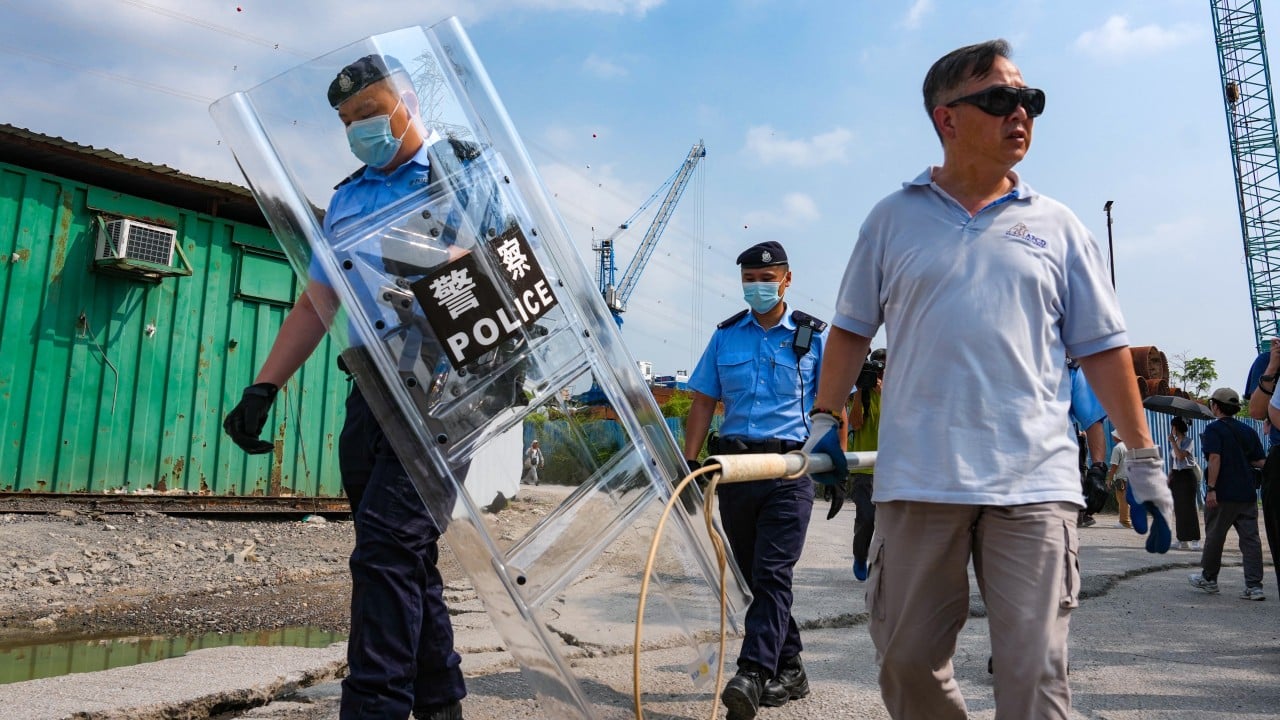
The uniform is designed to inspire trust. It represents authority, protection, and the fragile social contract that keeps civil society functioning. But when the person wearing that uniform weaponizes the machinery of the state for targeted personal violence, the resulting breach shakes public confidence far beyond a single criminal act.
Law enforcement accountability remains a fractured landscape. In cases where an active-duty officer plans and executes a violent crime, investigators must look past the immediate horror of the offense to examine the systemic blind spots that allowed an individual to slip from protector to predator.
The Anatomy of a Premeditated Tragedy
When details emerged regarding a police officer purchasing a surfboard bag under the guise of concealing human remains, followed by impersonating a rideshare delivery driver to gain access to an ex-partner and her new boyfriend, the public reaction was shock. For seasoned investigators, however, the methodical nature of the preparation pointed toward a chilling reality. This was not a crime of passion born in the heat of a momentary dispute. It was a calculated operation.
The use of occupational knowledge compounds the horror of such incidents. Police officers understand surveillance, evidence collection, and jurisdictional boundaries. When a member of law enforcement decides to commit a crime, they possess a dangerous blueprint of how to avoid detection, at least initially. They know the blind spots of the municipal grid. They understand how emergency dispatch operates. They can exploit the routine nature of daily patrols to mask their movements.
This particular case laid bare the terrifying overlap between domestic violence and professional capability. The suspect allegedly utilized the tactical mindset trained into him by the department, turning investigative techniques inward against civilians who trusted the badge.
The Institutional Blind Spots
Every time an officer crosses the line from enforcement to criminality, uncomfortable questions arise regarding internal oversight. Departments across the country struggle with the delicate balance between supporting personnel under high-stress conditions and identifying behavioral red flags before they manifest in violence.
Domestic disputes involving law enforcement officers frequently represent a critical failure point. Studies consistently indicate that domestic violence occurs at elevated rates within certain high-stress occupations, yet departmental responses remain inconsistent. Too often, informal resolutions, administrative shuffling, or a code of silence allow volatile behaviors to persist unchecked.
When a department fails to intervene early, it shares an indirect culpability in the escalation. The warning signs rarely materialize out of a vacuum. Neighbors, colleagues, or former partners often report controlling behavior, threats, or intimidation long before a firearm is drawn or a bag is purchased. The failure lies in a system that minimizes complaints against badge-carrying individuals, treating personal conduct as separate from professional fitness.
Dismantling the Myth of the Rogue Actor
Public relations strategies from municipal agencies often rush to frame violent officers as isolated anomalies. The narrative usually points to a disturbed individual who managed to slip through a rigorous screening process, assuring the public that the broader institution remains sound.
Journalistic scrutiny reveals a different story. The problem is rarely a single rotten apple; it is often a barrel that tolerates bruising.
Screening processes during police academies focus heavily on physical fitness, legal comprehension, and tactical aptitude. Psychological evaluations are standard, yet they often rely on self-reported questionnaires that can be easily gamed by individuals skilled at telling authority figures what they want to hear. Emotional regulation, empathy, and the capacity to handle rejection or personal crisis are notoriously difficult to measure in a standardized testing environment.
Furthermore, the hyper-masculine culture embedded in many police departments can discourage officers from seeking mental health support. Vulnerability is frequently viewed as a liability on the street. When personal stress compounds without constructive outlets, the pressure can manifest in erratic, controlling, or aggressive behavior directed at home and in the community.
The Broader Impact on Public Trust
The ultimate casualty in crimes committed by law enforcement is the erosion of community confidence. In neighborhoods where residents already view the police with skepticism, an incident of this magnitude confirms their worst fears. It reinforces the perception that the legal system protects its own and that uniform shields perpetrators from accountability.
Rebuilding that trust requires more than standard public relations damage control. It demands transparent internal investigations, mandatory independent oversight boards, and rigorous reporting mechanisms for domestic issues involving officers. When an officer is accused of violent crime, the investigation must be handled with absolute clinical detachment, free from the institutional defensiveness that historically shields bad actors.
The badge must never become a shield for criminality. Until police leadership confronts the uncomfortable realities of domestic violence, occupational hazard mitigation, and cultural toxicity within the ranks, tragedies orchestrated by those sworn to protect will continue to shock the public conscience.
The uniform remains a symbol of authority, but authority without rigorous, unyielding accountability is merely tyranny in waiting