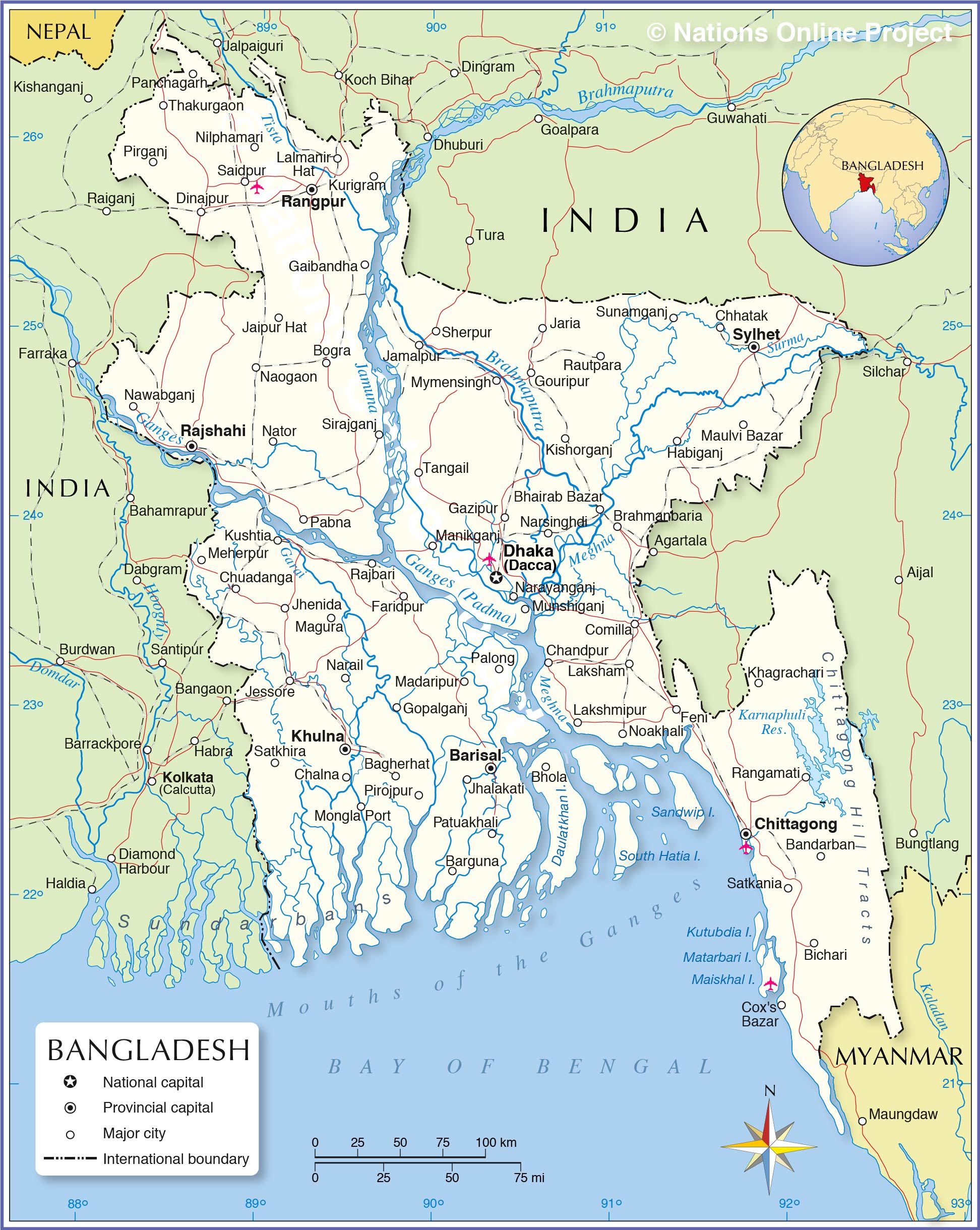
Every time Dhaka brings up transboundary water sharing with New Delhi, the diplomatic playbook repeats the exact same tired script. Bangladeshi leaders stand at regional summits, invoke the spirit of shared geography, and demand equitable distribution of fifty-four common rivers. Indian commentators nod politely, murmur something about domestic political constraints, and kick the can down a dry riverbed.
Both sides are entirely missing the point.
The lazy consensus in international relations holds that water scarcity between lower and upper riparians is fundamentally a volume problem. If only India would release more cubic feet per second through the Farakka Barrage or sign a long-delayed treaty for the Teesta River, Bangladesh would thrive. This is a comforting delusion. It treats a complex ecological and structural failure as a plumbing grievance that can be solved with a valve adjustment.
I have spent years watching transboundary negotiations stall over percentages and historical flow rates while the actual physical asset rots from the inside out. Focusing exclusively on volumetric distribution is a brilliant way to distract populations while both nations mismanage the liquid capital they already possess.
The Volume Myth
Let us look at the raw mechanics of the Brahmaputra and Ganges basins. Bangladesh receives roughly 1.1 trillion cubic meters of water annually. That is not a drought-stricken desert begging for moisture. It is one of the most water-dense deltas on earth.
The crisis is not that water is missing. The crisis is that the water arriving at the border is choked with industrial effluent, poisoned by arsenic, or blocked by poorly conceived internal embankments that prevent natural monsoon flushing. Demanding more water from an upstream neighbor while your own domestic distribution network loses up to thirty percent of treated supply to leaks and illegal abstraction is economic illiteracy.
When President Mohammed Shahabuddin and other regional figures call for fair sharing, they are pointing a finger at New Delhi to deflect from internal policy paralysis. India holds the geographical cards as the upper riparian, yes. But shouting about international justice does not clean a single gallon of polluted runoff or stop saltwater intrusion in the Khulna district.
The Real Leverage Point
Negotiating teams love treaties because signing a piece of paper looks like work. Actual hydrological management requires structural reform, capital allocation, and deeply unpopular domestic crackdowns on groundwater over-extraction.
Imagine a scenario where Dhaka stops treating the Joint Rivers Commission as a tribunal for grievances and instead shifts its posture to joint basin-wide pollution pricing and sediment management.
India has its own blind spots. New Delhi views transboundary rivers through a rigid national security lens, treating hydrological data as state secrets rather than ecological public goods. This paranoia forces downstream nations to guess at flood volumes, worsening disaster response times and fueling mutual distrust. Refusing to share real-time telemetry data does not protect Indian territory; it merely guarantees that when a flash flood hits, the economic shock reverberates across both sides of the border with maximum violence.
The core debate should not be about how many drops cross the border. It should be about the quality and timing of those drops, paired with aggressive domestic conservation.
What Actually Works
If you want to fix the regional water dynamic, you have to abandon the language of sovereignty and adopt the cold calculus of asset management.
- Decouple flow from quality: Fighting over dry season allocation is a distraction when the water arriving is too toxic for agricultural use. Joint water quality enforcement mechanisms must take precedence over pure volumetric quotas.
- Ditch obsolete barrages: Large concrete diversion structures are twentieth-century solutions to twenty-first-century climate volatility. They trap silt, starve downstream deltas of essential nutrients, and accelerate erosion.
- Monetize efficiency: Bangladesh needs to overhaul its domestic agricultural subsidies. Pumping groundwater for rice cultivation using heavily subsidized diesel or electricity is draining the aquifer faster than any upstream diversion by India ever could.
Stop waiting for a treaty that will never come. The river does not care about your diplomatic note verbale.