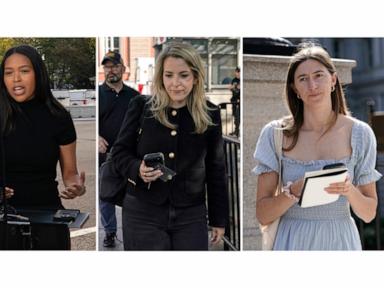
The media ecosystem is having another collective meltdown. When high-profile journalists from networks like MSNBC and Politico find themselves locked out of White House press briefings, the knee-jerk reaction from the pundit class is predictable. They scream about the erosion of democracy, the death of transparency, and the existential threat to a free press. Editorial boards reach for their fainting couches, warning that authoritarianism has officially arrived at 1600 Pennsylvania Avenue.
They are completely wrong.
For decades, the White House press briefing room has not been a temple of democratic accountability. It has been a high-end country club where stenographers with press passes trade sycophancy for proximity, mistaking access for impact. The narrative that losing a hard-cell seat in a windowless auditorium spells doom for independent reporting reveals an astonishing lack of imagination about how power is actually held accountable.
Let us look at the mechanics of what the White House press corps actually produces. Most days, it is a theater of mutual performance. The administration trots out a spokesperson armed with non-answers and talking points. Reporters raise their hands with practiced urgency, asking gotcha questions designed less to extract truth and more to generate a thirty-second clip for evening cable broadcasts or social media engagement. It is reality television masquerading as oversight.
When you remove access to that room, you do not destroy journalism. You force journalists to stop being lazy.
I have watched reporters spend entire careers tethered to a press briefing schedule, mistaking the routine spoon-feeding of executive branch spin for original reporting. If your primary source of accountability is sitting in a room taking notes on what a press secretary chooses to admit, you are not a watchdog. You are a human megaphone.
Real investigative work does not happen under the fluorescent lights of a White House auditorium. It happens through FOIA requests, forensic financial accounting, whistleblowers who refuse to sign non-disclosure agreements, and shoe-leather reporting in local communities and obscure regulatory agencies where actual governance takes place. The obsessive focus on who is or is not allowed inside a specific briefing room is a distraction from the broader systemic failure of mainstream outlets to cover the vast machinery of government that operates outside the executive spotlight.
Let us address the free speech panic head-on. The First Amendment protects the right of the press to publish without government censorship. It does not grant any specific media organization a permanent real estate lease in the executive mansion, nor does it guarantee daily admission to a staged Q and A session. Conflating restricted access with state censorship is either intellectually dishonest or profoundly ignorant of constitutional law.
Administrations of both parties have played games with press credentials for generations. They reward friendly outlets and penalize hostile ones because that is how politics works. Pretending this is a novel descent into tyranny is historical amnesia. The only difference now is that the theater has become more transparently adversarial.
What happens when you cut off the spoon-fed supply of daily talking points? Reporters are forced to look elsewhere. They have to talk to people who do not have a PR team. They have to read the actual text of legislation and executive orders rather than waiting for a spin doctor to summarize them. They have to do actual work.
The fixation on access journalism has degraded public trust to historic lows. When citizens watch reporters brawl over who gets to ask a loaded question to a defensive podium personality, they do not see a check on power. They see a club of insiders protecting their turf. Stripping away those passes breaks the cycle of codependency.
We should be celebrating every time an administration makes it harder for reporters to rely on lazy, centralized access. Let them lock the doors. Let them turn off the microphones in the briefing room. True journalism thrives in the cold air outside the gates, not inside the comfortable bubble of official proximity. If the press corps spent half the energy on deep investigative digging that they spend whining about seating charts, the public might actually learn something useful about how power operates.
Stop mourning the loss of a press pass. Start demanding reporting that does not require an invitation from the people being investigated.