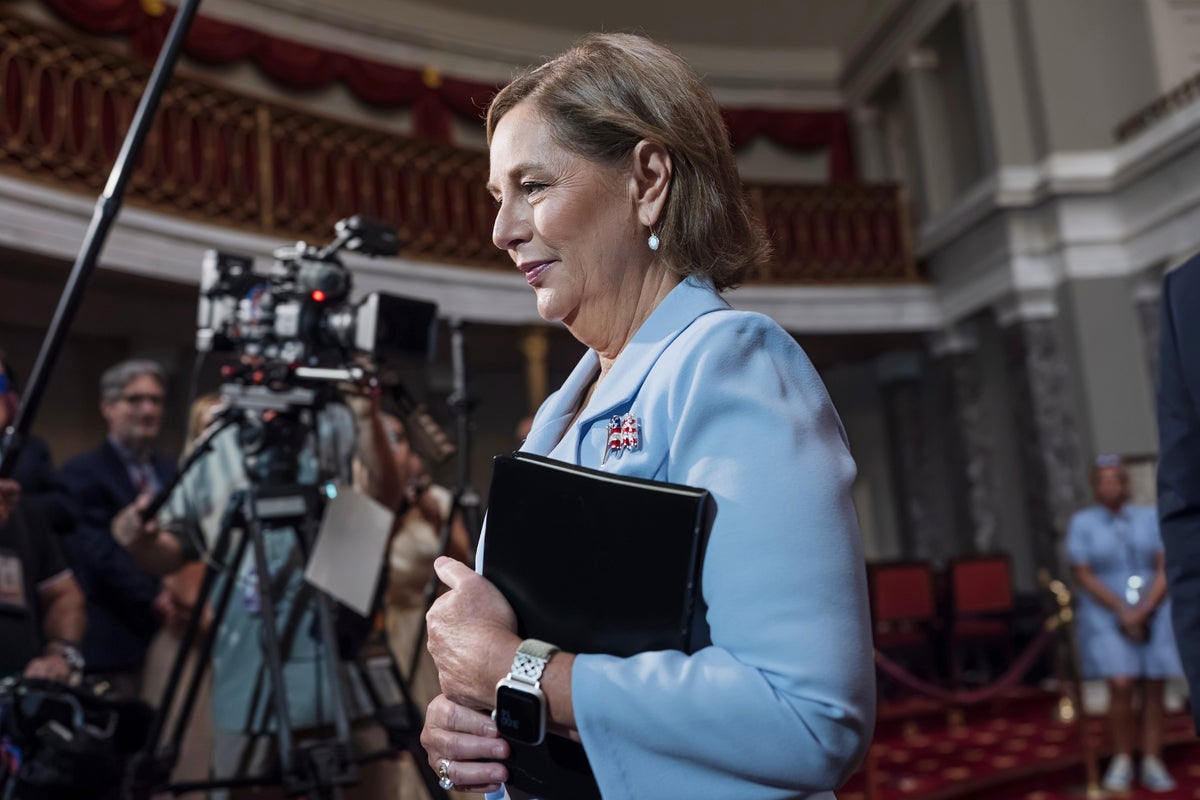
The political machinery of South Carolina is moving swiftly behind the scenes as conversations intensify regarding who will fill the vacuum left in the United States Senate. Even before the formal final farewells are concluded, political operators are positioning themselves for a high-stakes succession battle. Darline Graham is currently evaluating a campaign for the full Senate term, a move that introduces profound questions about dynastic politics, party loyalty, and the shifting dynamics of the state electorate. This potential candidacy transforms a moment of transition into a fierce contest for the ideological direction of the region.
The immediate focus remains on the statutory mechanisms governing congressional vacancies. Under state law, a vacancy in the US Senate triggers an intricate process involving gubernatorial appointment followed by a special election cycle. The timing of the vacancy dictates whether the seat will be decided during the next scheduled general election or via an expedited calendar. For party strategists, the immediate concern is avoiding internal fracturing that could give the opposing party an unexpected advantage in a traditionally reliable state.
The Strategy Behind a Legacy Campaign
Legacy candidacies carry inherent advantages and significant risks. A familiar surname provides instant brand recognition and access to established donor networks. This structural edge allows a new candidate to bypass the grueling phase of early fundraising and name-stabilization that slows down typical challengers. In the high-pressure environment of a sudden special election, hitting the ground running with an established national fundraising apparatus is an undeniable asset.
However, relying on a family name can backfire if voters perceive the campaign as an entitlement rather than an earned pursuit. Modern electorates routinely demonstrate skepticism toward perceived political dynasties. Voters want assurances that a candidate understands their daily economic pressures, rather than just the mechanics of Washington governance. The challenge for Darline Graham will involve establishing an independent legislative identity while simultaneously honoring the policy achievements of the past.
Party insiders are already debating whether a legacy candidate can unite the disparate factions of the state GOP. The conservative coalition is far from uniform. It contains traditional fiscal conservatives, national security hawks, and a highly mobilized populist wing. Securing the nomination requires building a bridge between these groups, a task that demands sophisticated policy stances and authentic grassroots engagement.
South Carolina Election Law and the Succession Timeline
The logistical reality of a Senate vacancy is governed strictly by the South Carolina code of laws. When a seat becomes vacant, the Governor holds the authority to appoint a temporary replacement who serves until a special election determines the permanent successor. This appointment power gives the governor immense influence over the initial playing field, as the appointee often gains the structural benefits of incumbency.
[Statutory Vacancy] ➔ [Gubernatorial Appointment] ➔ [Special Primary] ➔ [Special General Election]
The timing of the special election depends entirely on when the official declaration of vacancy occurs relative to the standard filing deadlines. If the vacancy occurs during an election year before the primary filing window closes, the race is typically appended to the current cycle. If it falls outside that window, the state must organize a separate election track, costing taxpayers millions and forcing campaigns to adapt to an accelerated fundraising schedule.
This timeline compresses the traditional multi-month exploratory phase into a matter of days. Candidates cannot afford the luxury of long listening tours. They must secure campaign managers, media consultants, and compliance lawyers instantly. For anyone weighing a run, the decision cannot wait for the conclusion of mourning periods, creating a stark contrast between public solemnity and private political calculation.
Financial Realities of Modern Senate Races
Running a competitive Senate campaign in the current political environment requires an immense amount of capital. Modern statewide races regularly see expenditures exceeding tens of millions of dollars. The money pays for data analytics, field operations, and a relentless barrage of television and digital advertisements. A candidate without an immediate line of credit or a list of reliable max-out donors faces an uphill battle from day one.
The nationalization of state elections means that outside political action committees will flood the state with independent expenditures. These groups operate outside the direct control of the official campaigns, often running aggressive negative advertisements that alter the tone of the race. A candidate must possess the internal fortitude and financial resources to withstand these external media campaigns while keeping their core message intact.
The Populist Shift in the Southern Electorate
The political environment of the South has transformed over the last decade. The old guard establishment that once dominated state party politics has largely been replaced by a more populist, anti-interventionist grassroots movement. This shift changes the types of messages that resonate with primary voters. Candidates who favor traditional institutional norms often find themselves at odds with a base that demands disruptive reform.
Any candidate seeking to win a statewide primary must navigate these changing expectations. Voters are looking for firm commitments on economic nationalism, strict border enforcement, and a reduction in foreign assistance. A legacy campaign tied to older conventions of governance must adapt its platform to reflect these contemporary priorities or risk being left behind by a highly motivated base.
The upcoming special election will serve as a definitive test of this ideological evolution. It will reveal whether the traditional donor class still holds the keys to the party nomination, or if the grassroots populist wing has completely consolidated its control over the state apparatus. The outcome will reverberate far beyond the borders of the state, signaling future trends for national legislative battles.