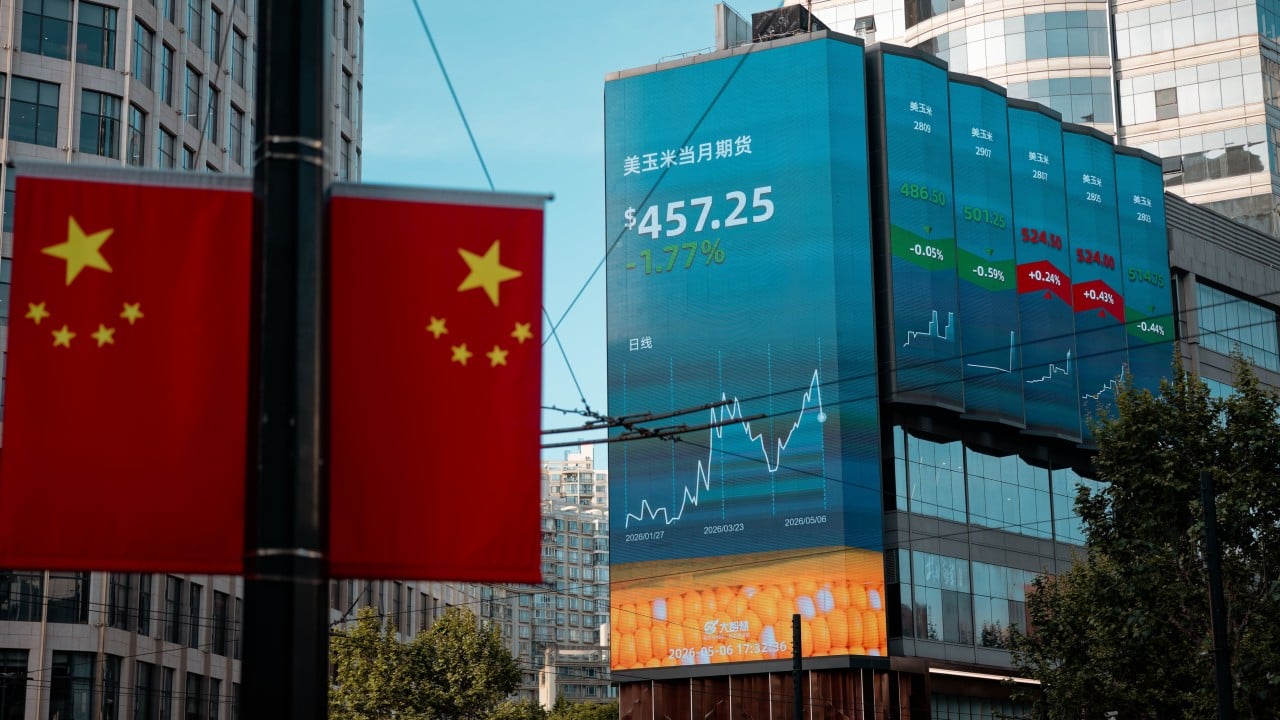
When the Shanghai Composite and the broader A-share market take a violent hit, Beijing doesn't just watch from the sidelines. Policymakers step in with heavy artillery, deploying billions through state-backed financial institutions to stop the bleeding. But throwing cash at a tech sell-off is a short-term band-aid, and seasoned market watchers know it.
The real question isn't whether state intervention can halt a single-day slide. It is whether these artificial floors can restore genuine, long-term investor confidence while corporate earnings remain choked by weak domestic demand. Read more on a connected subject: this related article.
The Anatomy of Beijing's Market Defense
When panic spreads across domestic exchanges, the People's Bank of China and regulatory bodies move fast. They set up specialized funding facilities, roll out swap operations, and make it cheaper for institutional players to buy equities without dumping existing holdings. We saw this script play out as authorities injected massive liquidity—running into hundreds of billions of yuan—to stabilize sentiment.
These interventions are designed to do one thing: buy time. They create a temporary safety net that prevents forced liquidations from cascading into a full-scale market rout. Yet, liquidity injections alone cannot fix structural headwinds. If underlying company profits are stagnant and external trade pressures mount, artificial buying runs out of steam. More journalism by Forbes highlights similar perspectives on this issue.
Why Tech and AI Stocks Remain Hyper-Volatile
The technology sector sits at the epicenter of these market swings. Beijing wants domestic tech companies to power a new economic era, shifting away from the old real estate engine. But high-flying artificial intelligence and semiconductor bets face intense pressure, amplified by tightening export controls from Washington and severe global competition.
When global sentiment sours on high-growth assets, domestic A-shares catch the brunt of the shock. Investors who piled into local tech names during speculative peaks suddenly find themselves holding bags as valuations correct. State-backed buybacks and selling curbs can slow the descent, but they can't override gravity when cash burn concerns take over the room.
The Credibility Gap Facing State Intervention
Markets operate on trust. Every time regulators step in to manipulate supply and demand dynamics, they alter the natural price discovery mechanism. Domestic retail investors—who make up a massive chunk of daily trading volume in A-shares—have grown increasingly cynical about headline-driven rallies.
If you're managing capital in this environment, relying on official rescue packages is a losing game. You have to look past the daily volatility spikes triggered by policy announcements. True market recovery requires sustained corporate earnings growth, a pickup in consumer spending, and clarity on international trade restrictions. Until those fundamental pieces fall into place, every state-engineered bounce remains a tactical trading opportunity rather than a secular bull market.
Keep your positions sized defensively, watch actual institutional inflows rather than official press releases, and don't mistake a liquidity injection for a fundamental economic turnaround.
Why China AI Stocks Crash: Beijing Steps In
This short video provides a quick visual summary of how Beijing's intervention aims to counter the recent tech market crash and chip-related pressures.