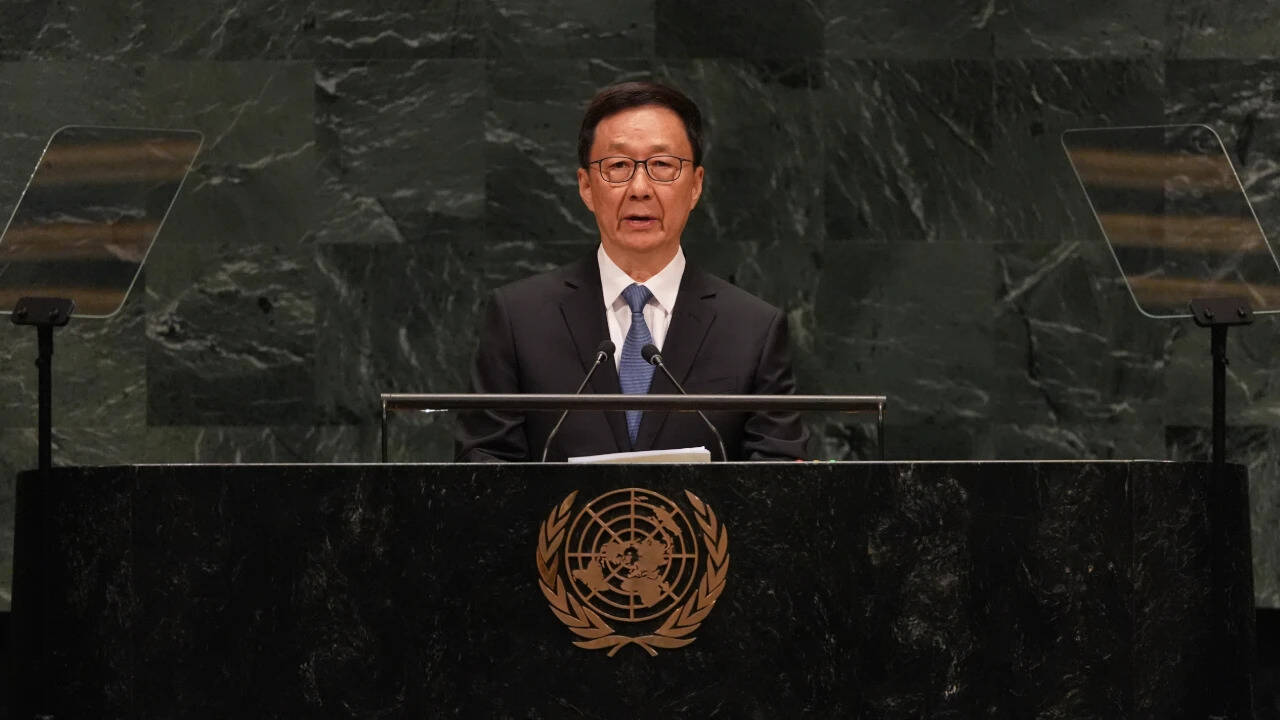
Every autumn, the United Nations General Assembly turns into a multi-billion-dollar theater of hypocrisy. Diplomats put on their finest suits, step up to the marble podium, and deliver meticulously crafted speeches designed to sound righteous while masking predatory self-interest. Recently, Beijing took a veiled shot at Washington, preaching about the evils of threats and coercion regarding Cuba and Iran.
The lazy consensus in international media is to take this at face value. Analysts nod sagely, writing columns about rising multilateralism and a fracturing global order. They treat Beijing's rhetorical defense of sanctioned states as a principled stand against Western hegemony.
That analysis is completely backwards.
I have spent years watching the mechanics of economic statecraft up close. I have seen trade corridors weaponized overnight and supply chains severed because a small nation bought the wrong kind of microchip. Beijing does not oppose coercion. Beijing holds the global patent on coercion. Complaining about American threats while operating the world's most sophisticated network of economic hostage-taking is not diplomacy. It is gaslighting on a planetary scale.
The Anatomy of Hypocrisy
Let us look at how power actually moves across borders. When Washington threatens sanctions, it does so with the subtlety of a sledgehammer. It is loud, proud, and broadcasted on cable news. You know exactly who is being targeted and why. It is clumsy, abrasive, and deeply unpopular.
Beijing operates differently. Beijing does not need to threaten naval blockades or public embargoes because it owns the plumbing of global commerce.
Consider how trade dependency works in practice. When a government displeases Beijing—whether by hosting the wrong foreign official, expressing skepticism over a massive infrastructure loan, or voting the wrong way on a maritime dispute—the consequences materialize with terrifying quietness. Ports suddenly experience mysterious customs delays. Tourism agencies receive secret, urgent memos telling them to cancel flights to that specific country. Rare earth mineral shipments hit bureaucratic bottlenecks that stretch into eternity.
There are no press conferences. There are no angry tweets from foreign ministries. There is only economic asphyxiation until the offending government falls back in line.
To stand at the UN podium and lecture others about sovereignty while maintaining a sprawling, unacknowledged empire of economic leverage is a masterclass in audacity. Beijing is not defending Cuba or Iran because it cares about their domestic autonomy or revolutionary spirit. It defends them because they are useful speed bumps for American foreign policy. They are proxy battlegrounds where Beijing can score cheap rhetorical points without risking actual capital.
Why Sanctions Rhetoric Misses the Real Game
The standard commentary treats international relations as a moral contest between competing superpowers. This framework is obsolete. Geopolitics is a logistical supply chain problem.
When critics obsess over Washington's blunt-force sanctions against Tehran or Havana, they miss the structural reality of the modern global economy. Sanctions are often a sign of declining structural power, not rising strength. A nation that has to legally ban companies from doing business with another nation is admitting that market forces alone would not keep those companies away.
Conversely, when structural dominance is absolute, legal bans are redundant. You do not need to sanction a nation if your corporations control the shipping lanes, the insurance markets, the digital payment rails, and the manufacturing nodes they rely on to survive.
This is why Beijing’s UN rhetoric is so effective at fooling casual observers. By framing the debate around the explicit, noisy threats coming out of Washington, Beijing successfully shifts the spotlight away from its own quiet, systemic coercion. It forces the world into a false binary choice: either you support American unilateralism, or you stand with the defenders of the Global South.
Reject that binary entirely. Both models rely on domination. The primary difference is that one sends you a warning letter, and the other quietly turns off your electricity.
The Cost of Looking Away
When diplomats swallow the narrative that Beijing is a champion against coercion, real damage is done to developing nations caught in the crossfire.
I have watched emerging economies sign sovereign debt agreements thinking they found an alternative to Western financial institutions, only to realize too late that the collateral arrangements signed away their critical infrastructure. Ports, mines, and telecom networks quietly transition to foreign control when repayments falter.
There is no room for sentimentality in statecraft. Nations do not have permanent friends; they have permanent balance sheets. When a government criticizes foreign coercion while simultaneously building a system that makes smaller nations economically defenseless, it is telling you precisely what it plans to do once it holds all the cards.
The next time you read a headline about a superpower standing up against bullying at the United Nations, look past the polished rhetoric and check the shipping manifests. The loudest critics of the system are almost always the ones writing the rules of the game behind closed doors. Stop buying the performance. The threat was never just about who shouts the loudest. It is about who owns the chain around your neck.