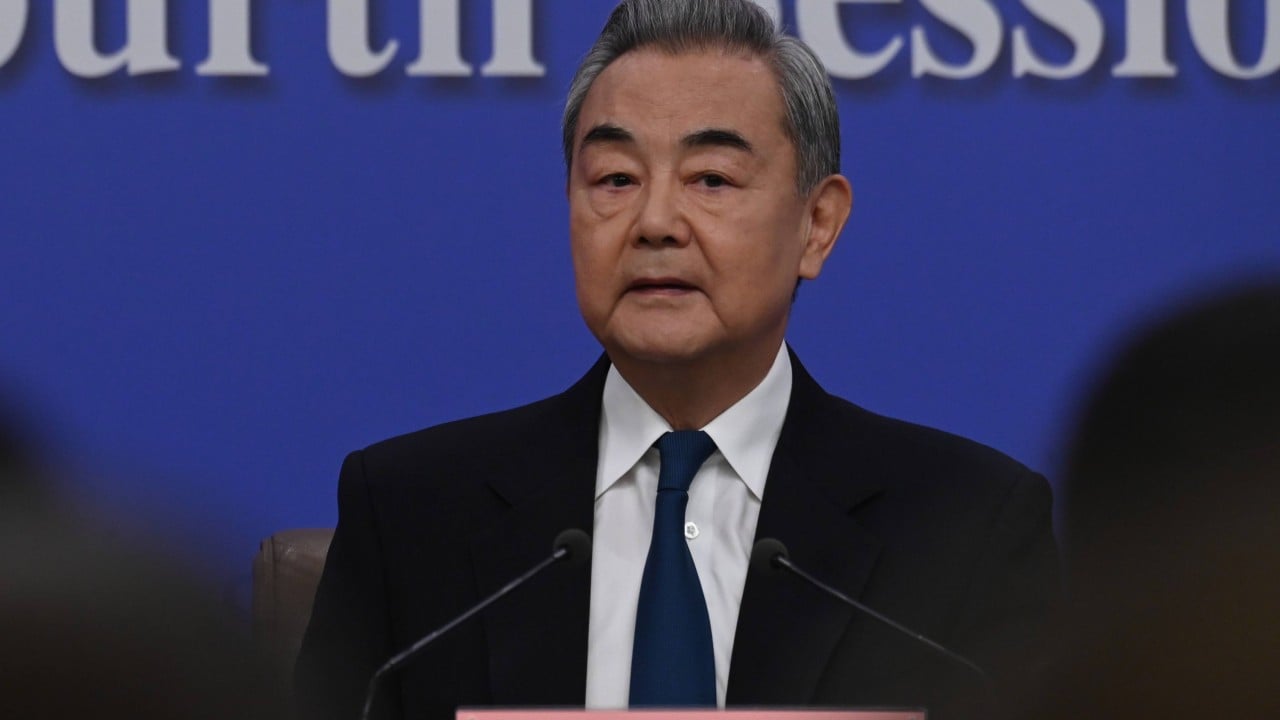
Diplomatic cables rarely capture the actual tone of a high-level phone call between Beijing and a European capital. When Chinese officials urge constructive dialogue with the European Union during direct talks with French counterparts, the language sounds smooth and conciliatory on paper. Reality on the ground is far sharper. Beijing wants Paris to act as a moderating force inside Brussels, pushing back against stinging tariffs on Chinese electric vehicles and looming trade investigations into green technology.
Trade friction between the world's largest trading blocs has moved past polite disagreement. Brussels has adopted a defensive posture, deploying trade defense instruments that once gathered dust in commission offices. Beijing views these measures as protectionist roadblocks designed to choke its industrial export engine. France sits right at the center of this collision. President Emmanuel Macron has long championed European industrial sovereignty, yet French agricultural exporters frequently find themselves caught in the crossfire of retaliatory trade probes launched from Beijing. If you liked this article, you should look at: this related article.
Understanding this diplomatic dance requires looking past the official readouts and examining the underlying economic levers. China's manufacturing capacity in solar panels, batteries, and electric vehicles outstrips domestic demand by a wide margin. Absorbing that excess output requires open international markets, particularly in Europe. When the European Commission slaps provisional or definitive duties on imported vehicles, profit margins evaporate and factory lines face painful adjustments. Beijing needs European governments to lean on the commission to find negotiated minimum pricing agreements rather than hard tariffs.
France occupies a fascinating and precarious position in this dynamic. Paris pushed hard for stricter trade defense tools to protect domestic manufacturers from sudden import surges. At the same time, French cognac producers and luxury conglomerates watch nervously as Beijing initiates targeted anti-dumping investigations against European goods. This creates an internal rift within the European Union. Export-heavy economies like Germany worry about losing access to the massive Chinese consumer market, while Mediterranean and Western European states push for a harder line on trade imbalances. For another angle on this story, check out the latest coverage from TIME.
The Mechanics of Economic Leverage
Trade diplomacy relies on credible pressure points. When senior officials in Beijing converse with French ministers, the conversation is underpinned by mutual vulnerabilities. Europe imports critical raw materials, rare earths, and chemical precursors essential for its green transition and advanced manufacturing sectors. Disrupting those supply chains causes immediate pain across European industrial hubs.
Conversely, China's economic recovery remains uneven, weighed down by domestic real estate stagnation and cautious consumer spending. Export growth stands as a vital pillar supporting industrial employment and local government balance sheets. Losing ground in the European market deals a heavy blow to Beijing's near-term growth targets. This mutual dependence creates an incentive to talk, yet neither side appears willing to compromise on core industrial policy.
Brussels insists that trade must remain fair and reciprocal. European regulators argue that heavily subsidized Chinese manufacturing floods the single market, undercutting local competitors not through superior efficiency, but through state-backed capital allocation. Beijing counters that its industrial success stems from robust supply chain integration, heavy research investment, and sheer entrepreneurial drive, dismissing subsidies as a standard industrial policy tool used globally.
Navigating the Regulatory Minefield
Corporate strategists across Europe and Asia are altering their operational blueprints to survive this shifting landscape. Relying entirely on direct exports from mainland factories to European ports carries prohibitive regulatory risk. Major manufacturers are accelerating plans to establish assembly plants within the European Union, navigating local content rules and securing regional supply chains to bypass tariff walls.
This localization strategy brings its own set of complications. Setting up manufacturing hubs inside Europe exposes companies to higher labor costs, stringent environmental regulations, and complex union negotiations. Yet, multinational firms deem these hurdles preferable to paying steep punitive duties that erase their competitive pricing advantage.
The political pressure on Paris will only intensify as the European Commission reviews ongoing trade cases. Officials in Beijing understand that isolating individual member states remains an effective tactic to fracture unified European policymaking. By offering targeted market access or holding bilateral dialogues with influential capitals like Paris, Beijing attempts to dilute the collective resolve of the European Union.
Constructive dialogue remains the official mantra on both sides, but diplomacy without compromise is merely a stalling tactic. As supply chains decouple and protectionist instincts harden across Western capitals, the economic friction between Europe and China will define the global trade environment for years to come.