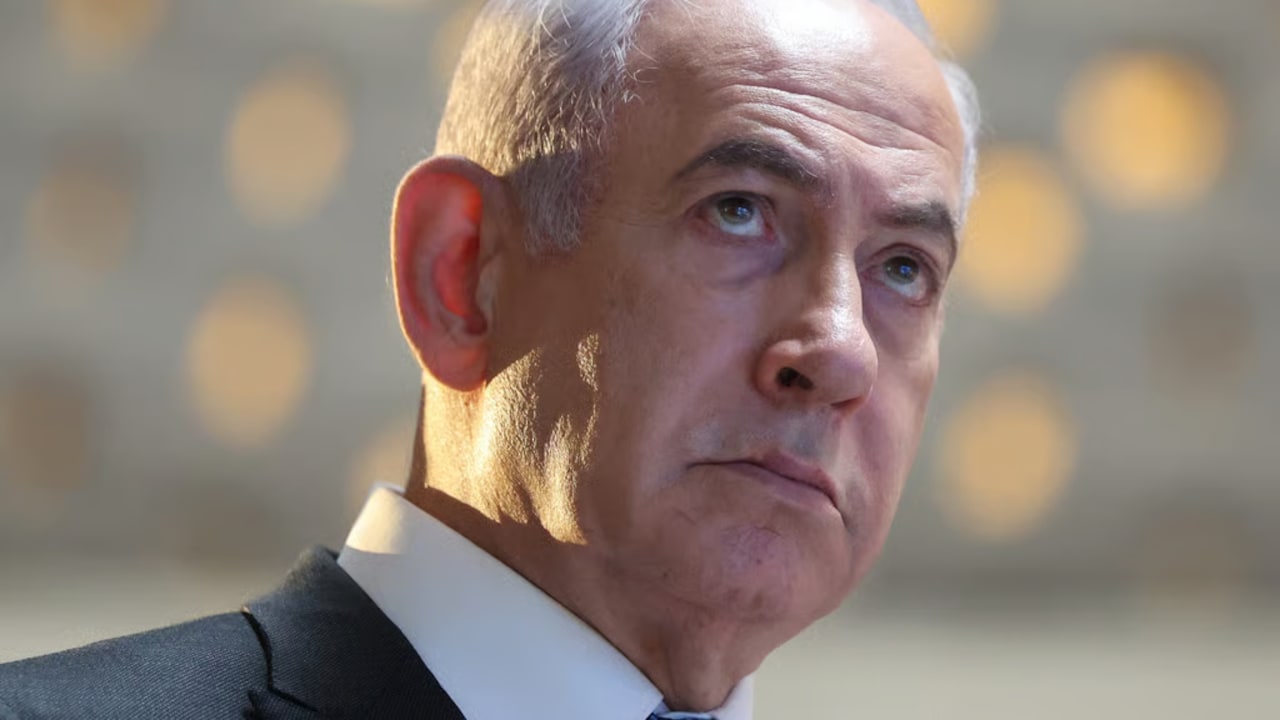
Winning an election doesn't automatically hand you the keys to the Prime Minister's Office in Jerusalem. Right now, Israel's opposition holds 67 seats in the 120-seat Knesset, yet Benjamin Netanyahu remains the caretaker prime minister. Political analysts at outlets like The Times of Israel, Al Jazeera, and The Guardian point out that while Netanyahu's right-wing and religious bloc dropped to 53 seats in the October 2026 national election, the anti-Netanyahu camp faces steep structural hurdles to actually replacing him.
The math looks brutal on paper for Netanyahu. He fell eight seats short of a 61-seat governing majority, and President Isaac Herzog handed the mandate to form a government to former Israel Defense Forces chief of staff Gadi Eisenkot, leader of the Yashar party. Eisenkot received recommendations from 67 Knesset members.
Still, parliamentary systems reward survivalists. Netanyahu doesn't need to build a coalition to stay in power; he just needs to keep his rivals from building theirs.
The Arithmetic Trap Facing Israel's Opposition
To understand why Netanyahu isn't packing his boxes yet, look at the fractures inside the 67-seat opposition bloc. According to reporting by The Times of Israel, the anti-Netanyahu camp isn't a unified ideological movement. It's a loose collection of hawkish nationalists, centrist security veterans, secular liberals, and Arab-led parties whose only shared policy is removing the incumbent.
Eisenkot has a strict 42-day window to assemble a working coalition. During his campaign, he boxed himself in with three clear pledges: no sitting with Netanyahu, no relying on ultra-Orthodox (Haredi) parties, and no relying on Arab-led parties.
Here is the problem. You can't keep all three promises and still reach 61 seats.
Why Every Coalition Path Hits a Wall
Without Haredi or Arab factions, the Zionist opposition parties hold only 48 seats. That leaves Eisenkot with three difficult options, and each one triggers an immediate veto from someone inside his own camp:
- The Arab-led party route: Arab factions surged in the October 2026 election, jumping from 10 seats in the outgoing parliament to 19 seats. Relying on their external support or coalition membership would easily push Eisenkot past 61. However, Yisrael Beytenu leader Avigdor Lieberman has flatly ruled out partnering with Arab parties or forming a minority government. Former Prime Minister Naftali Bennett has also expressed reluctance toward that arrangement.
- The ultra-Orthodox (Haredi) route: Bringing in Shas and United Torah Judaism (UTJ) would add 13 seats to the 48-seat Zionist opposition, hitting 61 on the nose. Yet securing UTJ and Shas requires backing down on military draft exemptions for yeshiva students—a core issue that drove secular voters to support Eisenkot and Lieberman in the first place.
- Splitting Likud: Convincing Likud lawmakers to dump Netanyahu and join a unity government without him would solve the math overnight. So far, Likud's ranks have held firm behind their longtime leader.
As Israeli columnist Akiva Eldar noted in Al Jazeera, politics in Jerusalem often comes down to choosing which campaign promise to break. If Eisenkot refuses to break any of them, the 42-day clock simply runs out.
Why Staying in Office Is Personal for Netanyahu
For most politicians, losing a parliamentary majority means stepping down, leading the opposition, and waiting for the next election cycle. For Netanyahu, losing the premiership carries immediate legal and personal consequences.
His corruption trial—covering charges of bribery, fraud, and breach of trust across three separate cases—has been running since May 2020 and is entering its late stages. Under Israeli law, a sitting prime minister doesn't have to resign upon indictment or even after an initial conviction; removal is only mandatory once all appeals are exhausted and a conviction becomes final.
Former close adviser Nir Hefetz told media outlets in November 2026 that Netanyahu is operating in a state of intense urgency because moving to the opposition benches would strip away the institutional buffers of his office. As a private citizen or ordinary opposition lawmaker, he loses the scheduling deference courts often grant a sitting head of government during wartime or diplomatic crises.
There's also the question of historical legacy. An opposition government would almost certainly establish a formal state commission of inquiry into the security and intelligence failures surrounding October 7. Netanyahu's coalition resisted creating an independent state commission, and a new government wouldn't hesitate to launch one.
The Three Levers Netanyahu Is Pulling to Survive
Political observers tracking the post-election standoff point out that Netanyahu is actively working to widen the cracks among his rivals rather than waiting passively.
1. The "Zionist Unity" Offer
Netanyahu has publicly pitched a broad national unity government encompassing all parties that define Israel as the nation-state of the Jewish people. By framing the offer around external security threats—specifically Iran's nuclear program—he puts pressure on centrist leaders like Eisenkot and Bennett.
If Eisenkot refuses to negotiate, Likud portrays him as putting personal boycotts ahead of national security. When Eisenkot agreed to hold exploratory talks with Likud, Netanyahu's team laid down strict preconditions, including a demand that no party boycott the sitting prime minister. Critics call it a classic stall tactic designed to burn precious days off Eisenkot's 42-day mandate.
2. Backchannel Pressure and Election Doubts
In the days immediately following the vote, Likud figures amplified allegations of voter bribery in Arab communities, suggesting that the surge in Arab parliamentary representation was tainted. The Israel Election Committee and the Shin Bet subsequently stated there was no evidence of widespread bribery affecting the results, and a judge released suspects due to lack of evidence. Attorney General Gali Baharav-Miara later froze a police probe while examining communications between the Prime Minister's Office and law enforcement around election day.
Meanwhile, Joint List lawmaker Ahmad Tibi revealed on television that figures close to Netanyahu's circle reached out quietly, suggesting Arab parties would be better off forcing another round of elections rather than backing an Eisenkot-led coalition that refuses to give them cabinet seats.
3. Regional Escalation and Wartime Politics
Writing in The Guardian, columnist Simon Tisdall argued that renewed regional conflict remains a potential wildcard in Israeli domestic politics. Media reports in November 2026 indicated that Netanyahu has pushed for tougher military action against Iran.
In Israeli political history, acute military emergencies frequently trigger calls for emergency unity governments, freezing coalition negotiations and rallying voters around the sitting commander-in-chief. However, analysts note a crucial difference this time around. Because Eisenkot is a former military chief of staff with deep connections throughout the defense establishment, he has independent access to intelligence assessments and is less susceptible to political framing around security threats.
What Happens If the Clock Runs Out
If Eisenkot fails to present a viable government before his 42-day window closes, Israeli law gives President Herzog a few options. He can hand the mandate to another Knesset member for 28 days, or notify the Knesset speaker that no candidate can form a coalition, triggering a 21-day period in which any 61 lawmakers can petition to nominate someone.
If all of those steps fail, Israel heads straight back to the ballot box for another round of elections—roughly six months later.
During that entire interim period, Netanyahu remains caretaker prime minister. A caretaker leader retains broad executive authority, controls the cabinet agenda, and campaigns from the podium of power. Worse for the opposition, voters who turned out to unseat him could grow disillusioned if their chosen leaders squander a 67-seat majority over ideological purity tests.
How to Read the Next Few Weeks in Jerusalem
If you're following the coalition talks from the outside, ignore the daily press releases and watch three concrete indicators instead:
- The 42-day calendar: Track how many days remain in Eisenkot's mandate. Serious coalition deals in Israel almost always happen in the final 72 hours before a deadline expires. Anything before week five is mostly posturing.
- Lieberman and Bennett's public red lines: Watch whether either leader softens their stance on external support from Arab parties or compromises with the Haredim on military conscription. Without movement from at least one of them, the opposition simply lacks the math.
- Likud's internal discipline: Pay attention to whether any senior Likud figures break ranks or hint at a post-Netanyahu future. As long as Likud stays unified behind him, Netanyahu holds the strongest blocking hand in Israeli politics.
Netanyahu lost the vote count in October, yet the rules of Israel's parliamentary system give the incumbent a massive defensive advantage. Until 61 lawmakers agree on who sits in his chair—and what compromises they're willing to swallow to put him there—Benjamin Netanyahu isn't going anywhere.