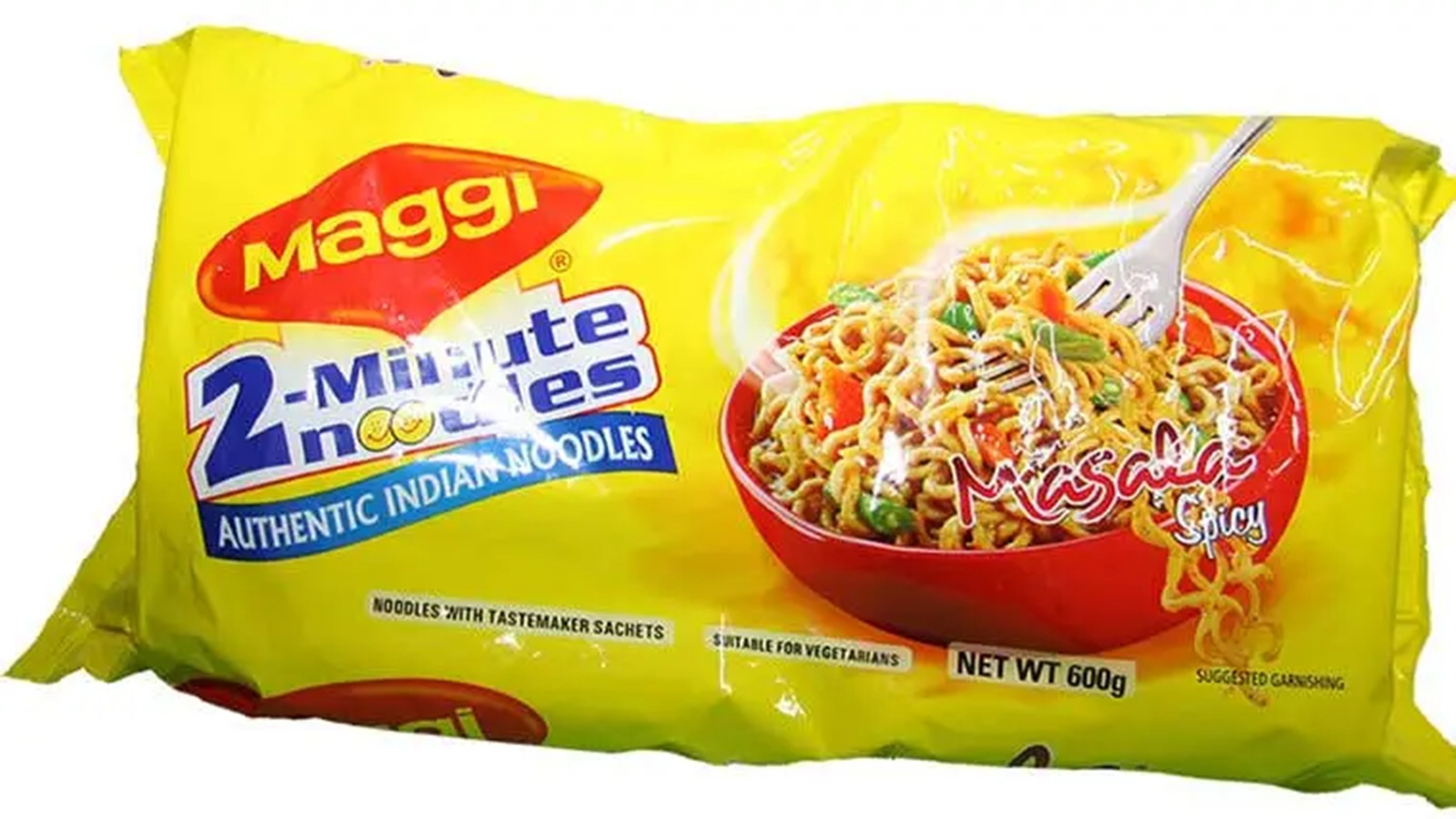
You walk down the grocery aisle, pick up a package of noodles or chips, and look at the back. You are greeted by a microscopic nutritional table written in a font size designed for a hawk. You probably give up reading it after five seconds. Governments around the world are trying to fix this information gap by forcing companies to put clear warnings right on the front of packages.
Unsurprisingly, multinational food giants are pushing back hard.
Nestle recently urged India to let food manufacturers sit at the table while framing new front-of-pack labeling rules. The argument sounds reasonable on paper: regulations should be based on sound science and practical consumption patterns. But scratch the surface of this corporate diplomacy, and you find a high-stakes war over public health, consumer trust, and corporate profits.
The Battle Over Front-of-Pack Warnings
India is a massive, booming market for packaged foods. It is worth more than 100 billion dollars, and industry estimates suggest that nearly 80 percent of local products could be classified as high in fat, sugar, or salt.
For years, the Food Safety and Standards Authority of India has floated various ideas for front-of-pack labels. Think bold, color-coded red flags or warning scores that instantly tell you if a snack is loaded with sodium or refined sugar.
Then things got messy. Following intense pushback and closed-door meetings with corporate lobbies representing giants like Nestle and Coca-Cola, regulators backed away from mandatory interpretive color warnings. Instead, they proposed simpler black-and-white nutritional tables. Public health advocates were furious. The Supreme Court of India stepped in to scrutinize the delays and question why clear warning labels are still missing.
The Double Standard on Transparency
What makes consumers angry isn't just the policy U-turn. It is the glaring double standard.
Nestle and other global corporations have voluntarily used clear, interpretive front-of-pack labels in Europe and the United Kingdom for over a decade. If color-coded warnings or high-salt flags work for British or European shoppers, why should Indian shoppers settle for opaque disclosures?
Social media sleuths and independent food advocates have spent recent months pointing out formulation differences, too. Popular items sold in India often feature higher sugar content or cheaper vegetable oils compared to identical brand names sold overseas. When local consumers realize that global brands give more transparent disclosures abroad while resisting them at home, it creates a deep sense of frustration.
Why Corporations Want a Seat at the Regulatory Table
Philipp Navratil, a top Nestle executive, argued that companies must be part of the rulemaking process to ensure labels are built on scientific evidence. He noted that consumers eat portions, not arbitrary grams, and that rules should account for local culinary habits rather than enforcing blunt, misleading comparisons.
Public health experts see it differently. Critics argue that letting food conglomerates help write packaging laws is like letting foxes design the security system for the henhouse. When corporate revenue depends on selling highly processed snacks, companies have a financial incentive to delay or water down warning labels.
What This Means for You
The debate isn't going away. Courts are pushing regulators, consumer awareness is spiking, and people are paying closer attention to ingredient lists than ever before.
If you want to protect your health while navigating this corporate tug-of-war, stop relying on front-of-pack marketing claims entirely. Ignore the buzzwords on the front box. Flip the package over, check the actual ingredient deck, and look closely at the sodium, added sugars, and saturated fat content per serving. Until regulators grow a spine and force brands to print honest warnings on the front, your best defense is reading the fine print yourself.



