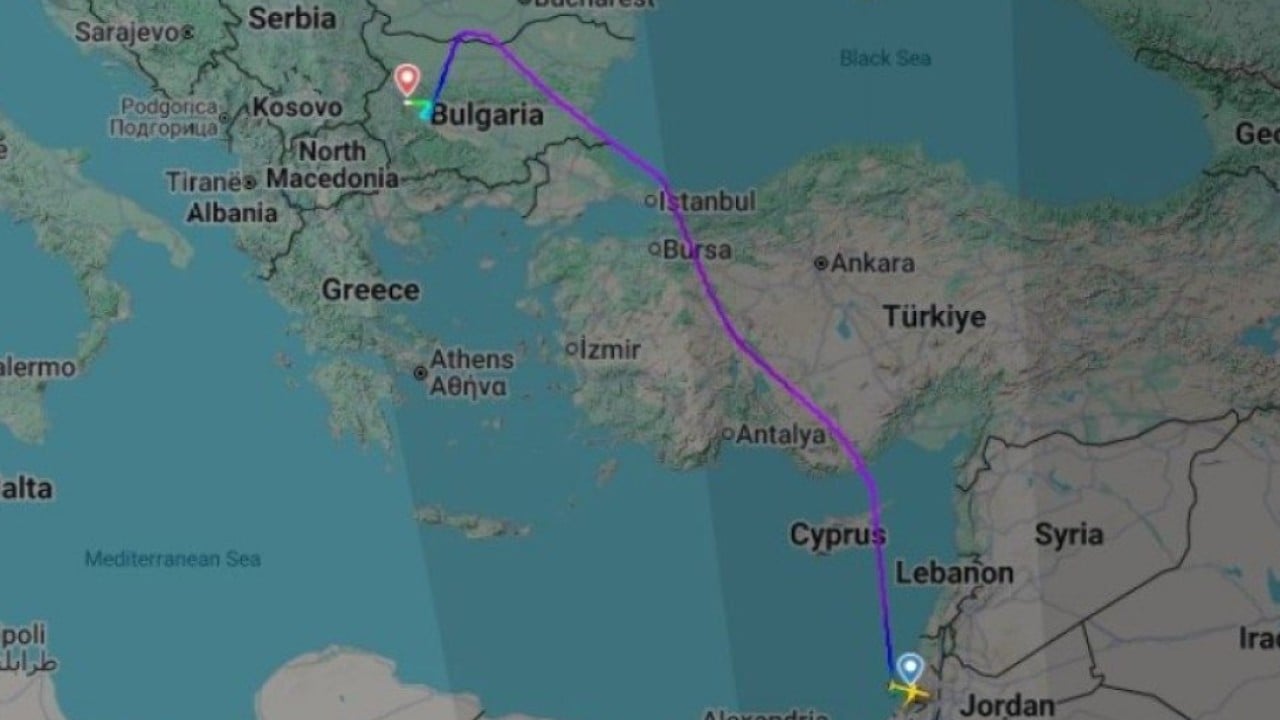
When an Austrian Airlines flight from Tel Aviv to Vienna suddenly diverted to Bulgaria in October 2026, nobody on board knew if the warning was real. You don't gamble with a bomb threat at 30,000 feet. Flight OS82, an Airbus A320, touched down at Vasil Levski Sofia Airport after the crew received a threat signal near the Romanian border and squawked 7700 for a general emergency.
No explosive device was found. Nobody got hurt. Yet the diversion pulled fighter jets into the sky, sent bomb disposal teams to an isolated parking spot, and turned a routine regional hop into a high-stress ordeal.
Honestly, this incident isn't an isolated fluke. It's a window into a much bigger problem hitting European aviation right now: cheap, anonymous threats that force expensive, maximum-intensity responses.
How the Austrian Airlines Diversion Unfolded
Let's look at what actually happened on Flight OS82 on Sunday, October 18, 2026. The aircraft departed Tel Aviv Ben Gurion bound for Vienna. Roughly three hours into the trip, near the border with Romania, the crew reported a bomb threat signal.
Flight trackers picked up squawk code 7700. In aviation speak, 7700 means general emergency—not necessarily a hijacking (which is 7500) or radio failure (7600). Pilots use it when they need immediate priority handling, clear airspace, and emergency services staged on the ground.
Bulgaria's defense ministry scrambled fighter jets. The A320 landed in Sofia at 9:43 p.m. local time. Passengers and crew got off the plane safely while specialist teams moved the aircraft to an isolated zone and searched it. Reports indicate the search kicked off around 30 minutes after the alert was raised. Once security cleared the jet, the flight was able to continue on to Vienna.
Quick news summaries usually stop right there. Plane diverted, no bomb found, everyone okay. That's fine if you just want a headline, but if you fly frequently—or care how air security works under pressure—the real story is what happens behind the scenes.
Squawk 7700 and Military Escorts Explained
People sometimes freak out when they hear fighter jets scrambled for a commercial airliner. Here's the thing: a military escort doesn't automatically mean a dogfight or an imminent crash. It means air defense and air traffic control are coordinating eyes on the aircraft and keeping other traffic well clear while the crew flies to a suitable airfield.
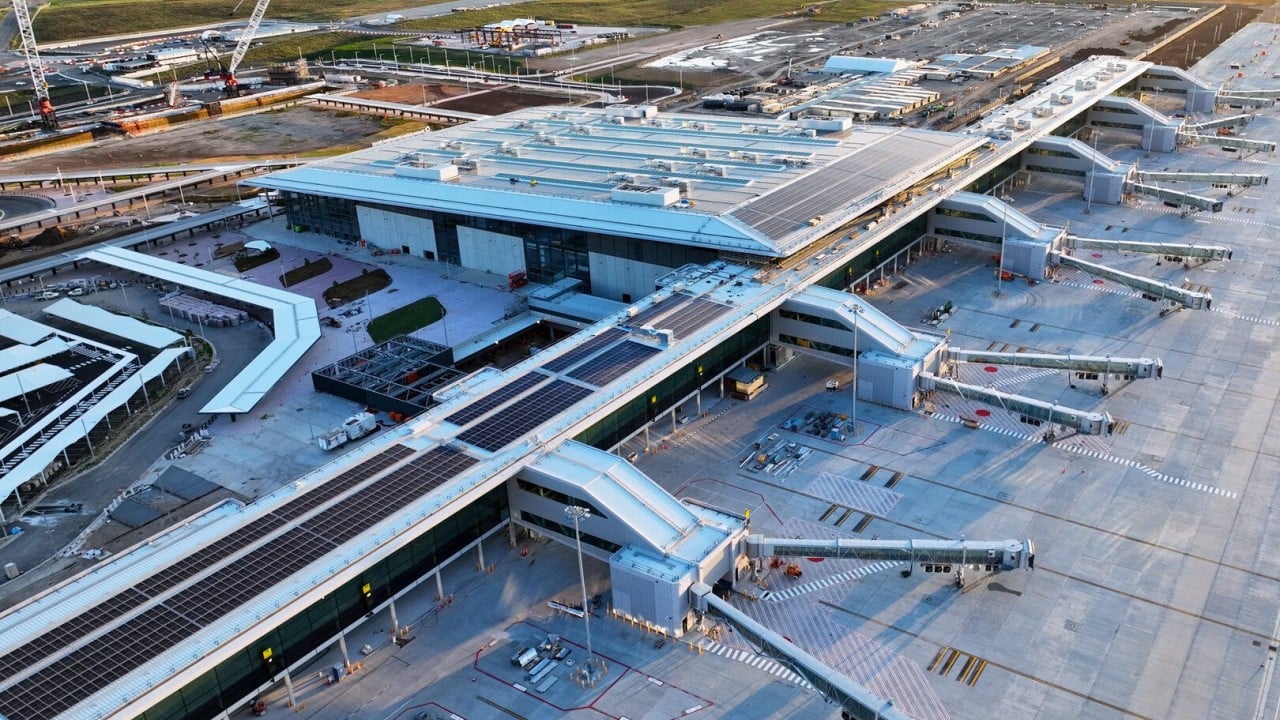
Diverting to Sofia made practical sense geographically. When a threat surfaces near the Romanian border on a route heading northwest toward Austria, Sofia offers major airport infrastructure, security response capabilities, and a direct path to get passengers on the ground fast.
Why Hoax Threats Hit Aviation So Hard
Here's what bothers me most about modern aviation security: the asymmetry is brutal. Sending an anonymous email or message takes almost zero effort. Responding to it takes dozens of trained specialists, runway closures, military fuel, emergency staging, and hours of passenger upheaval.
Authorities can't just shrug and say, "Eh, probably fake." A 99% chance of a hoax still leaves a 1% risk you don't want on your conscience. So every credible-enough or operationally flagged threat triggers serious protocols.
In fact, the Austrian Airlines diversion sat inside a wider wave of disruptions across Europe in fall 2026. News outlets reported bomb threats targeting flights, airports, schools, and media organizations—including threats linked to Prague Airport that forced a Wizz Air flight from Rome to divert to Venice, plus false bomb reports involving flights tied to Israel. Even when every single one turns out empty-handed, the operational drag adds up fast.
Geopolitics and Extra Scrutiny on Israel Routes
Flying to or from Tel Aviv already carries a different security posture than flying between, say, Munich and Madrid. Regional tensions keep airlines, regulators, and airport authorities on hair-trigger alert.
Some carriers adjust operations during tense stretches—using technical stops, rotating crews outside high-tension hubs, or adding extra screening layers. Travelers who have flown out of Ben Gurion or on carriers with strict security profiles know how thorough pre-flight checks can be. Yet even tight departure screening doesn't stop an external actor from firing off a threat while a plane is already airborne.
What Travelers Get Wrong About Emergency Diversions
If you've never been on a diverted flight, you probably picture Hollywood chaos. Real-world diversions are usually much quieter—and much more tedious.
- Myth: An emergency landing means the plane is about to crash. False. Declaring 7700 gives the crew priority vectors and emergency trucks on standby. Most of the time, the landing itself looks like a normal touchdown, just with extra vehicles waiting.
- Myth: You'll get instant answers on the tarmac. Not likely. During a security search, authorities lock down information to protect the investigation and avoid spreading rumors. Passengers often sit in terminals or holding areas waiting for bomb squads and police to finish.
- Myth: Your connection is automatically protected on the exact same schedule. A security diversion wrecks tight aircraft rotations and crew duty limits. Even if the plane isn't damaged, timing shifts can push onward travel back by hours.
One mistake I see passengers make all the time is treating a security hold like a typical weather delay at the gate. You can't always walk straight to a customer service desk while an airport or terminal zone is being cleared. Patience matters, even when you're exhausted and stuck in a country you didn't plan to visit.
Practical Moves If Your Flight Diverts Over a Security Alert
You can't control whether someone sends a false alarm or whether air traffic control routes your jet to Sofia instead of Vienna. You can control how prepared you are when plans blow up mid-air.
- Keep essentials in your personal item, not overhead or checked bags. If authorities evacuate or hold aircraft during a search, having your phone charger, medications, ID, passport, and a light layer right at your feet saves major stress.
- Download the airline app before takeoff and turn on notifications. Gate reassignments, rebooking options, and status updates often hit apps before airport boards catch up.
- Screenshot your booking reference and travel insurance details. Airport Wi-Fi gets overloaded during major disruptions, and cell roaming fees can surprise you during unexpected stops abroad.
- Stay calm and follow crew instructions to the letter. Cabin crew train for security and evacuation scenarios constantly. Arguing or filming sensitive security operations only slows things down and can land you in legal trouble.
- Know your passenger rights and keep receipts. Depending on your route, carrier, and whether the flight operates under EU rules, you may have rights to care, rerouting, or assistance during long delays—save receipts for food, transit, and hotels if the airline doesn't provide them directly.
Security threats test nerves, schedules, and patience all at once. Pack smart before every flight, keep key documents accessible, and let the professionals run their checklist while you focus on getting to your destination safely.