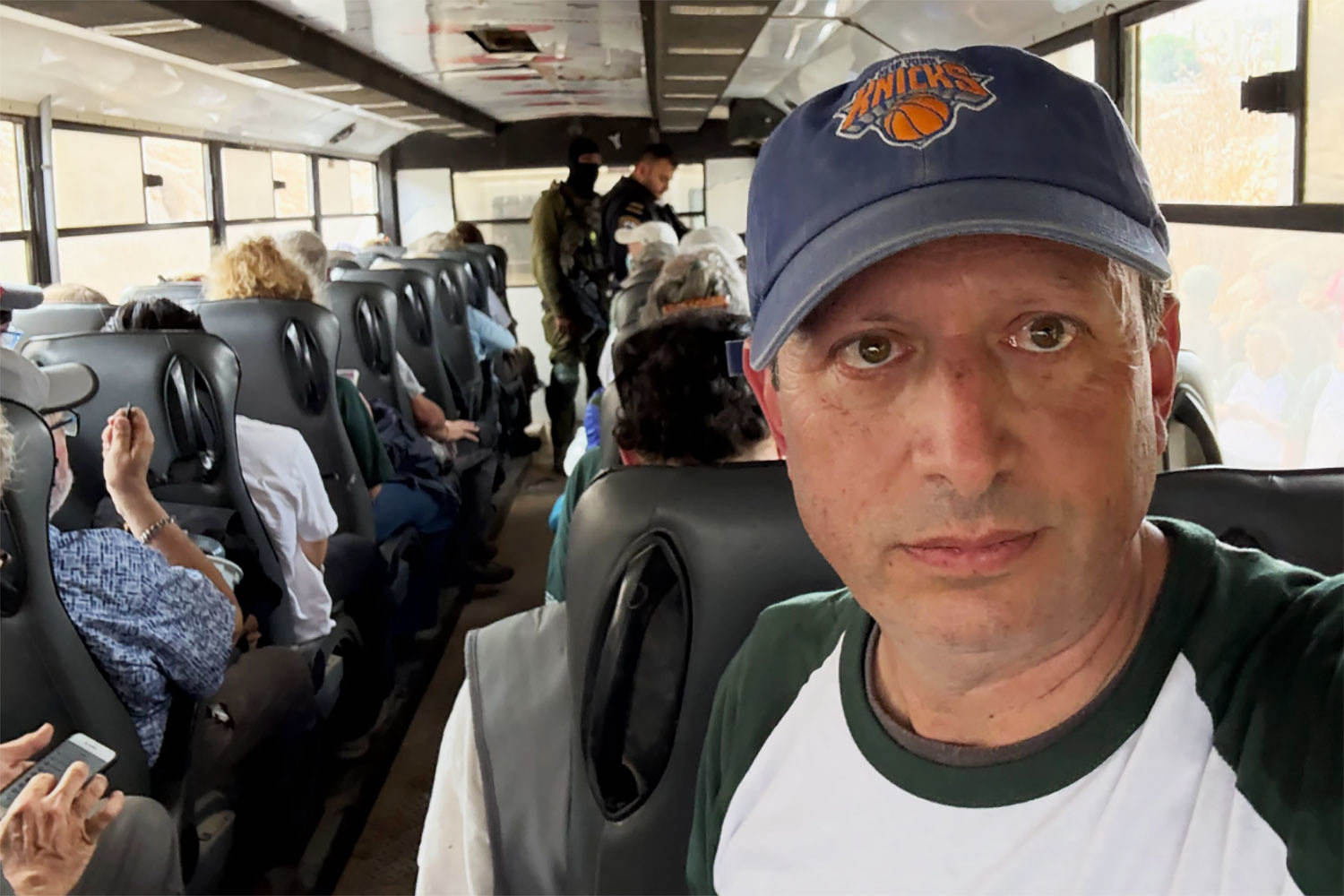
In late October 2026, New York congressional candidate Brad Lander was briefly detained by Israeli forces alongside dozens of rabbis and activists while harvesting olives in the occupied West Bank. Released after authorities recognized his status as a congressional nominee—and soon facing revoked Israeli entry privileges—Lander turned a flashpoint in the olive groves into a high-voltage campaign message weeks before Election Day.
Brief detentions of foreign activists in contested agricultural areas happen regularly. Yet when an American Jewish politician running in a heavily Democratic New York district gets swept up in a military crackdown, the story stops being about seasonal farming and becomes a mirror for American foreign policy debates. Voters in Brooklyn and lower Manhattan were not just watching a skirmish near a settlement. They were watching the Democratic Party's internal civil war over Israel play out in real time.
What Actually Happened Near Nehalim
The facts on the ground remain contested depending on who holds the microphone. Lander stated that he and fellow volunteers were picking olives near Nehalim when Israeli forces detained them, questioning the legality of the occupation while insisting that harvesting crops violates no law he recognizes. Rights groups reported roughly 90 volunteers were detained in the sweep, while activists contended that Palestinian landowners need no military permit to harvest in Area C and argued a closed military zone was declared only after work was already underway.
Israeli police offered a narrower framing. According to official statements, detained individuals were taken to a police facility and Lander was let go once his identity as a congressional candidate became clear. Days later, reports emerged that Israeli authorities revoked entry permits for Lander and other detained American Jews, turning a short-lived custody episode into a diplomatic friction point.
When a politician films his own detention during an active campaign, every second of footage serves two masters at once: human rights documentation and political signaling.
Why Olive Groves Became Political Theater
Anyone who has covered Middle East politics long enough knows the olive harvest is rarely just agricultural. Every autumn, tension rises around groves located near Israeli settlements and outposts, where disputes over land access, security restrictions, and settler-farmer friction frequently collide.
For Lander, presence in the grove was deliberate. A former New York City comptroller and City Council member who defeated Rep. Dan Goldman in the June 2026 primary, Lander had already drawn sharp lines on foreign policy. Where Goldman offered measured criticism of Israeli leadership while defending traditional U.S. support, Lander went much further—calling the war in Gaza a genocide and urging an end to U.S. military aid. Standing in a West Bank orchard with progressive rabbis and activists gave visual weight to that platform.
Critics viewed the trip very differently. Opponents and skeptical observers argued that foreign candidates traveling to active flashpoints invite confrontation, disregard local security protocols or permit rules, and treat complex territorial disputes as backdrops for domestic political branding. In politics, intent is almost always in the eye of the beholder.
| Perspective | Core Claim | Political Takeaway |
|---|---|---|
| Brad Lander and Allies | Volunteers were peacefully harvesting olives with landowners; detention highlights occupation abuses. | Reinforces progressive credentials and anti-aid stance for core base voters. |
| Israeli Authorities | Security forces handled an enforcement action; Lander was released once identified as a candidate. | Frames the episode as routine security management rather than targeted political persecution. |
| Skeptical Critics | Foreign activists wade into volatile zones without respecting local rules or diplomatic nuance. | Suggests grandstanding that complicates serious policy and security work. |
A Shifting Democratic Map in New York
The October detention did not happen in a vacuum. Earlier in 2026, California Democratic Rep. Ro Khanna also reported being detained by Israeli forces during a July visit to the West Bank. Taken together, those incidents show how frequently progressive American lawmakers and candidates are placing themselves directly inside contested territory.
In New York's 10th Congressional District, the primary had already signaled generational and ideological movement. Backed by figures such as New York City Mayor Zohran Mamdani and Rep. Alexandria Ocasio-Cortez, Lander won the June primary decisively before advancing to the November general election in a deep-blue seat.
Still, voters in that district are not a monolith. Many are deeply invested in Israel's security yet horrified by civilian suffering and settlement expansion; others prioritize domestic affordability, housing, and municipal governance over foreign policy altogether. A brief detention abroad can energize committed activists overnight while leaving swing or moderate voters cold.
The Limits of Symbolic Diplomacy
There is a hard truth seasoned observers recognize about high-profile detentions involving U.S. politicians. They generate headlines fast. They rarely change policy on their own.
Being released once officials recognize a candidate's name underscores a double standard that critics across the spectrum notice in different ways. Palestinian farmers and local activists facing similar sweeps often do not get quick releases or international cameras. At the same time, revoking a visiting politician's entry permit shows how quickly symbolic solidarity can harden into formal diplomatic pushback.
For voters trying to separate signal from noise, the real test is what happens after the cameras leave the orchard. Speeches and viral clips are easy in a safe congressional seat; serious legislative work on aid conditions, oversight, and accountability is much harder. Watch how candidates vote and draft policy once sworn in, not just where they stand during October campaign season.