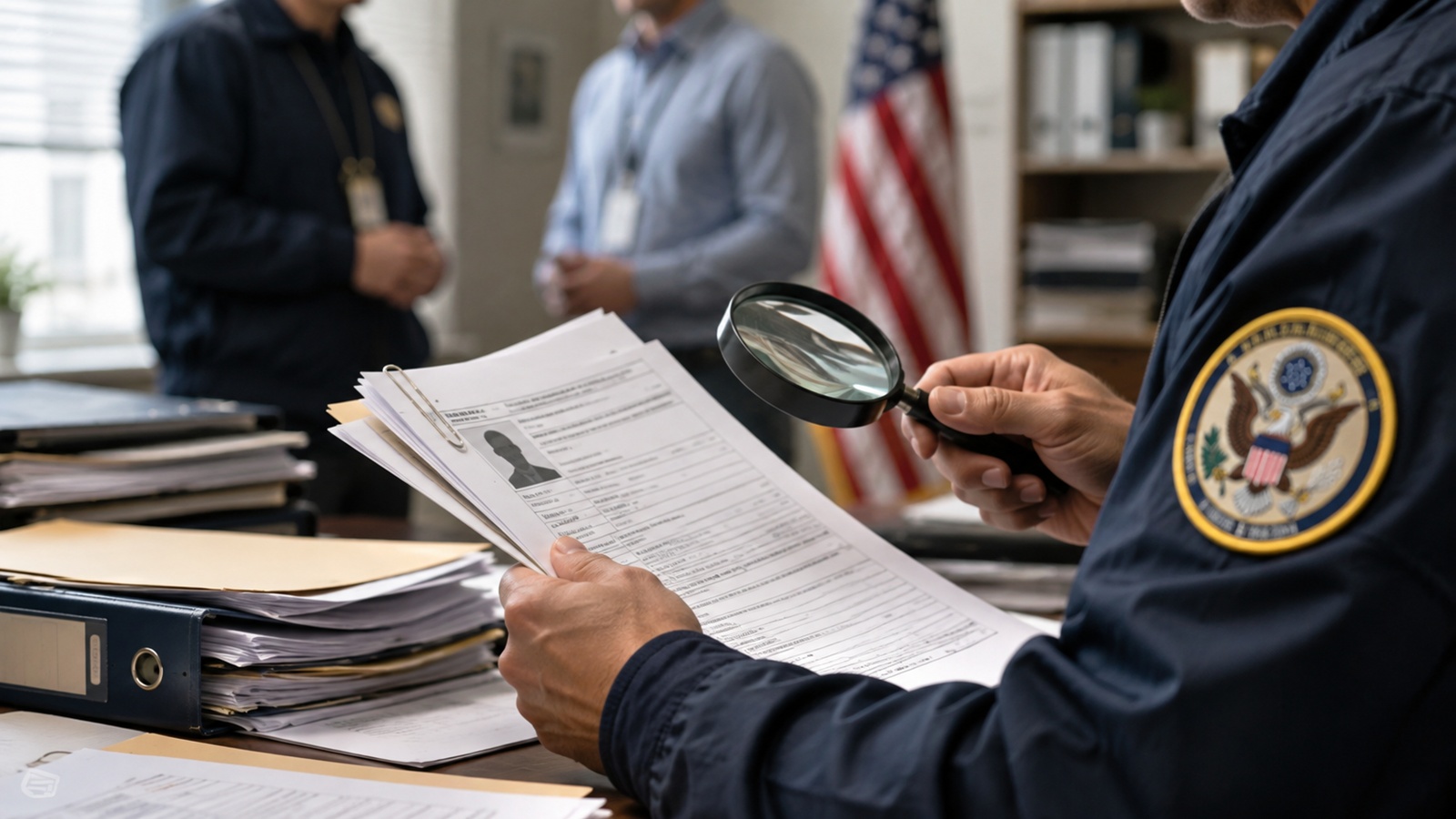
Ink dries slowly in government offices. Sometimes, it takes years to turn from wet gloss to brittle gray.
Across the Atlantic, in quiet negotiation rooms lit by pale European sun and heavy American coffee, a document was signed. Hands were shaken. Cameras flashed. For a brief moment, diplomats felt the vertigo of achievement. They had solved a trade dispute. They had averted a tariff war that could have crippled steel mills in Pennsylvania and vineyards in the Loire Valley. Everyone smiled.
Then, the doors closed. The cameras went home. And the real work began. Or rather, the waiting began.
To understand why Washington has grown tired of waiting, you have to look past the bureaucratic jargon of transatlantic trade agreements and watch how policy actually hits the ground.
Picture Elena. She runs a mid-sized precision manufacturing plant just outside of Stuttgart. Her grandfather founded it with three lathes and a dream of rebuilding post-war Germany. Today, her shop floor hums with multi-million-dollar CNC machines, turning raw blocks of aerospace aluminum into microscopic components. She employs eighty-four people. Every single one of them knows her name.
Elena does not care about geopolitical strategy meetings in Brussels. She cares about her quarterly shipping manifests. She cares about whether the steel components she exports to Ohio will clear customs without a thirty percent penalty.
When the United States and the European Union brokered their truce, Elena breathed a sigh of relief. The agreement promised a new era of cooperation, a mutual lowering of barriers, a streamlined alignment on green steel and aluminum standards. It was supposed to protect producers on both sides of the ocean from predatory market distortion, specifically pointing a finger at state-subsidized overcapacity coming from Asia.
It was a brilliant blueprint on paper.
Paper does not pay Elena’s electricity bill.
Months bled into years. In Washington, trade representatives began checking their watches. Reports trickled in from trade courts and congressional committees. The promises made in velvet-lined rooms were stalling in committee hearings across European capitals. Internal European divisions, stubborn domestic agricultural lobbies, and legislative gridlock turned bold commitments into slow-moving drafts.
Washington lost patience.
The message delivered to Brussels was blunt, stripped of diplomatic polish: Now it is time to deliver.
The Anatomy of a Stalemate
Trade is often discussed as an abstraction. Billions of dollars. Gross domestic product percentages. Supply chain resilience metrics. But trade is fundamentally about trust.
Imagine two neighbors sharing a long fence. One neighbor agrees to clear the overhanging branches from their side, while the other agrees to rebuild the shared gate. If one neighbor spends two years holding a hammer without ever driving a nail, resentment builds. The fence stays crooked. The yard gets messy.
That is where the transatlantic alliance stands today.
The United States implemented its side of the bargain by suspending punitive tariffs, betting heavily on the good faith of its European partners. American industries held up their end. They opened their markets, adjusted their pricing models, and waited for the corresponding regulatory shifts in Europe to take effect.
Instead, European lawmakers bogged down in endless debates over domestic sovereignty and industrial subsidies. Brussels argued that its regulatory framework requires consensus among twenty-seven member states—a machine with too many gears, where a single broken tooth can jam the entire transmission.
That explanation offers little comfort to an American steelworker facing closed furnaces.
To call this a mere bureaucratic delay is to misunderstand the stakes. Global trade architecture is currently undergoing its most violent stress test in half a century. Supply chains are no longer just efficient; they are weaponized. Every month of delay leaves western economies vulnerable to economic coercion from actors who thrive on democratic disunity.
When allies fail to execute what they promised, the cracks widen. Protectionist factions in the United States smell blood. They point to the stalled European implementation as proof that multilateral agreements are toothless exercises in naive diplomacy.
The Human Cost of Delay
Let us return to Elena’s shop floor in Stuttgart.
Last autumn, Elena sat at her desk staring at a spreadsheet that made her stomach tighten. The cost of raw aluminum had spiked. Her margins, already razor-thin due to soaring energy prices across Europe, evaporated. She needed to expand her export volume to the American market to survive the winter.
She called her customs broker in Frankfurt.
The broker sighed. The paperwork required under the new transatlantic framework was still tied up in European legal reviews. Without the unified certification standards that Brussels had promised to enact, Elena’s shipments had to go through redundant, costly verification processes. It added three weeks to every delivery. It added thousands of euros in compliance fees.
Elena did not lay off half her staff. Not yet. But she canceled the apprenticeship program for local teenagers. She put the expansion plans on indefinite hold.
Multiply Elena’s story by tens of thousands. Across industrial hubs from Munich to Milan, businesses are trapped in limbo. They want to play by the new rules, but the rules keep shifting because the political architects cannot finish building the stadium.
This is what Washington’s ultimatum is really about. It is not just about balance sheets or geopolitical posturing. It is about the exhaustion of credibility.
The Reckoning at the Table
When American trade officials look across the table at their European counterparts now, the warmth of the honeymoon phase is gone. The tone has shifted from collegial partnership to stern accountability.
The message delivered to EU trade chiefs carried a sharp subtext: the alliance cannot afford the luxury of endless deliberation. Global competitors are not waiting for Europe to sort out its internal legislative calendar. While Brussels debates the finer points of subsidy rules, rival economic blocs are actively rewriting the rules of global commerce.
Consider what happens next if Europe fails to act.
The political winds in Washington are fickle. Administrations change, and congressional pressure for aggressive unilateralism is always simmering just beneath the surface. If the current trade truce collapses because European leaders dragged their feet, the snapback will be swift and brutal. Tariffs will return. Supply chains will fracture again. Small manufacturers like Elena will pay the price for political paralysis in capitals they have never visited.
The irony is that European leaders actually want the same things Washington wants. They want sustainable industries, reduced carbon footprints, and protection against unfair market manipulation. The goals are aligned. The vision is shared.
The failure is entirely one of execution.
The Choice Ahead
We live in an era where words have been cheapened by overuse. Every press release is historic. Every minor policy tweak is revolutionary.
True revolution is quiet. It is found in the willingness to do the hard, unglamorous work of passing laws, harmonizing standards, and honoring commitments when it is politically inconvenient at home.
The European Union was built on the radical idea that nations could bind themselves to their promises, creating a rules-based order that elevated everyone. That experiment is now being tested not by external enemies, but by internal hesitation.
The ultimatum from Washington is a warning shot, but it is also an invitation. It is a demand to grow up, to match rhetoric with reality, and to prove that the western alliance can still move with purpose.
Back in Stuttgart, Elena turns off the lights in her office, grabs her coat, and walks out onto the quiet factory floor. The machines are silent for the night. The blue glow of a single computer monitor cuts through the dark. She does not know what trade policy will look like next month. She only knows she has enough aluminum for three more weeks of production.
The clock is ticking. The ink is dry. Now, it is time to deliver.