The tea in Tehran is always served too hot, threatening to scald the lip before you can taste the bitter warmth beneath. For decades, that heat has been a fitting metaphor for every conversation held across the invisible chasm separating Iran and the United States.
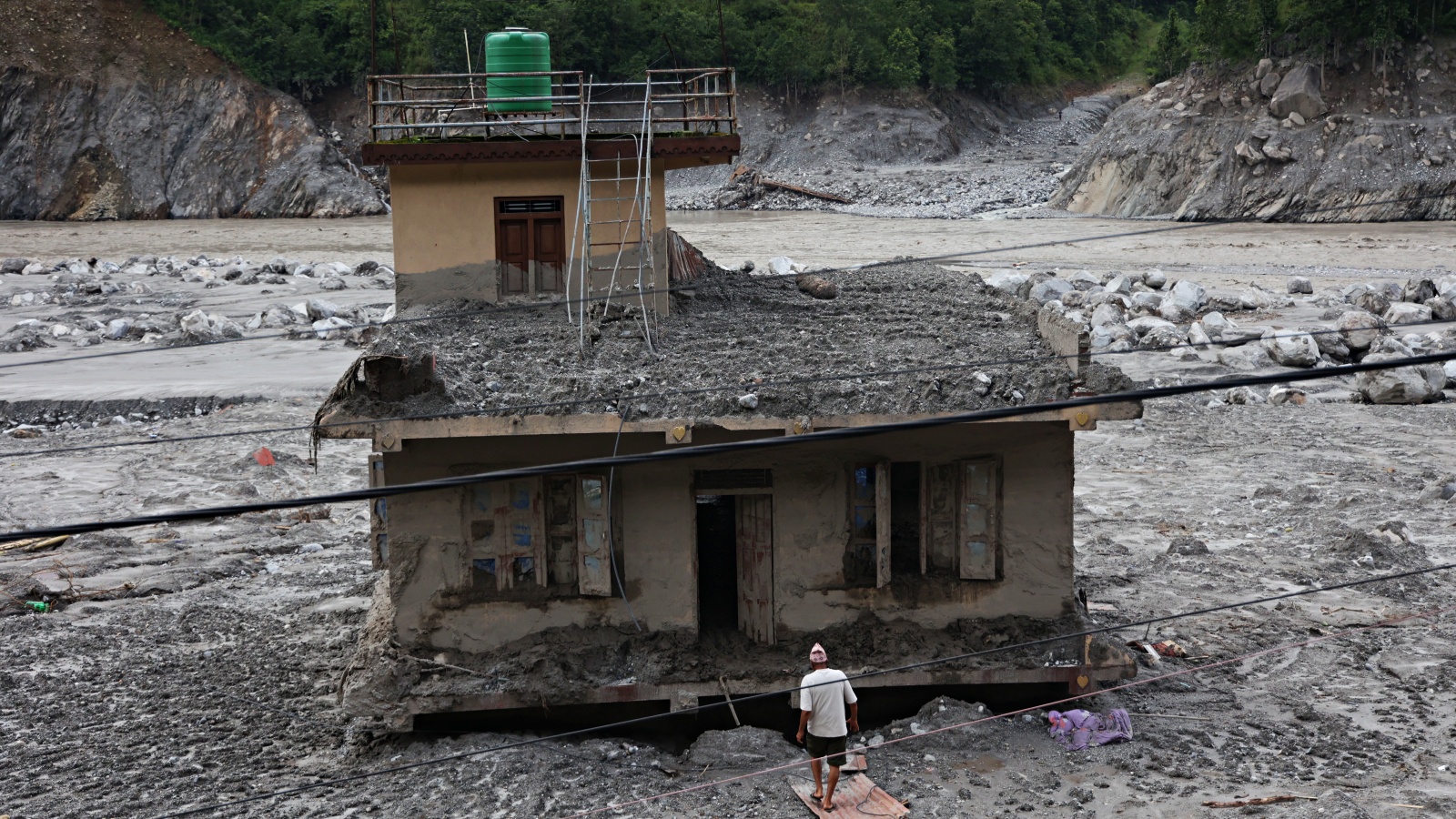
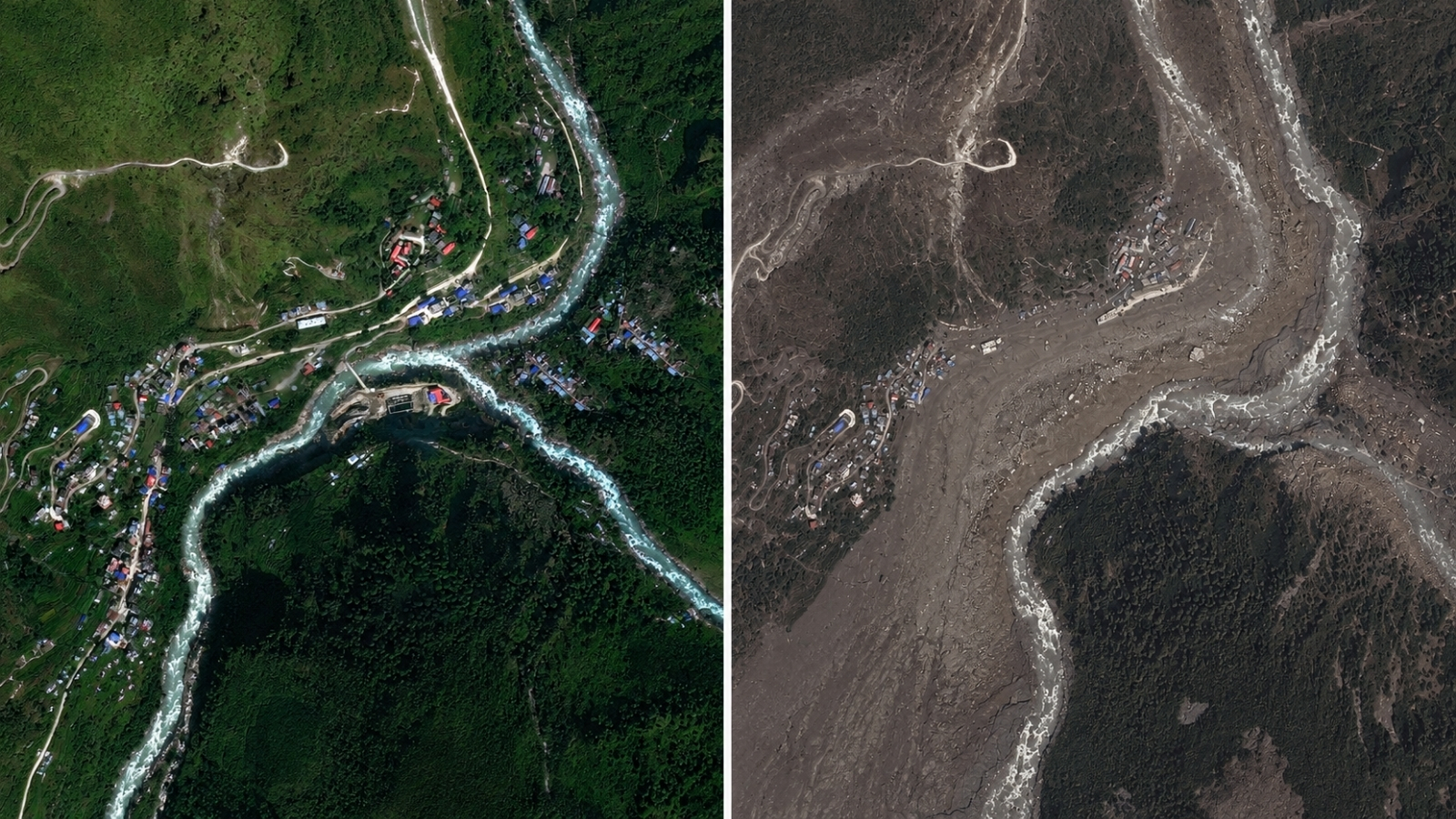
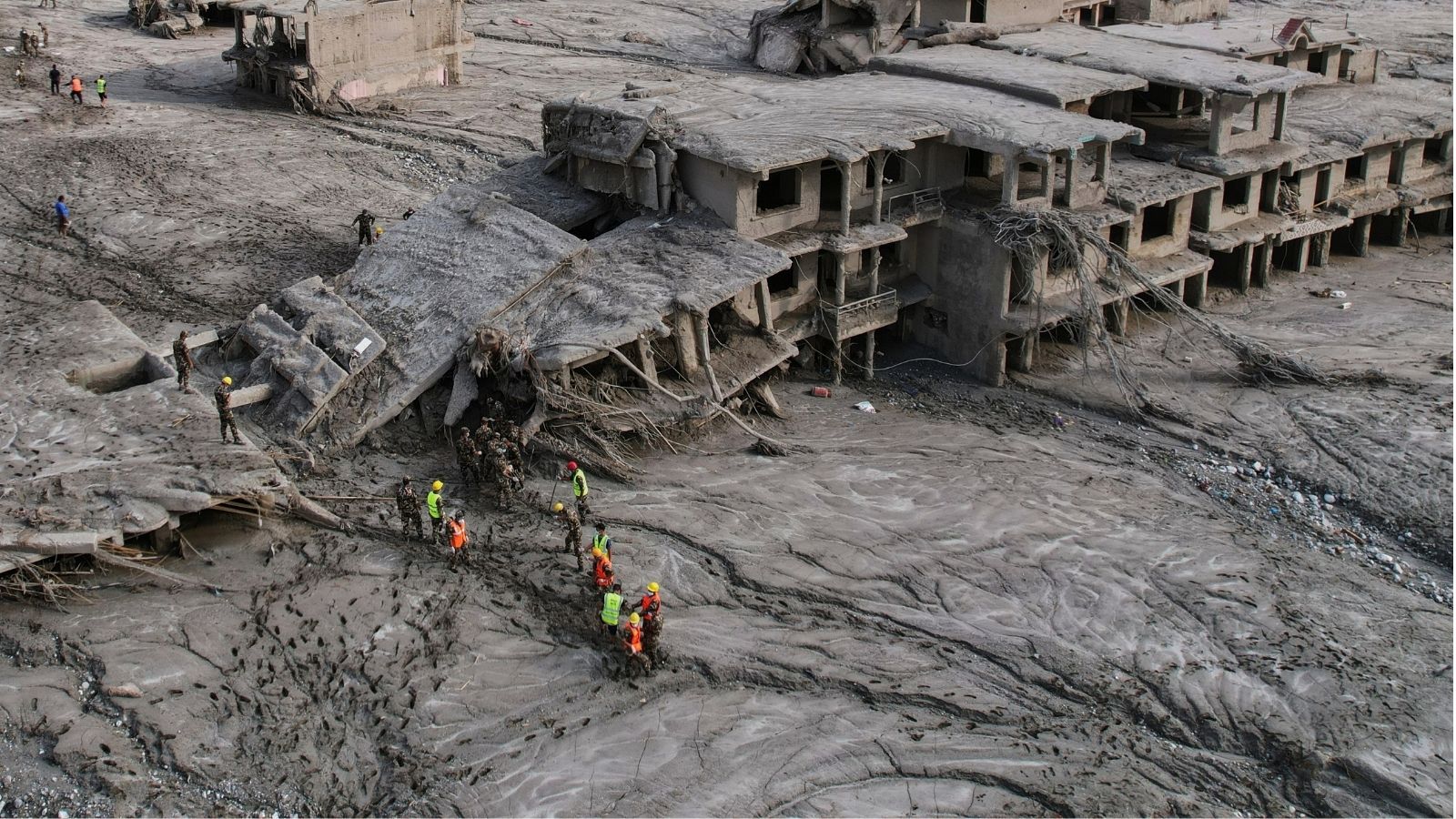
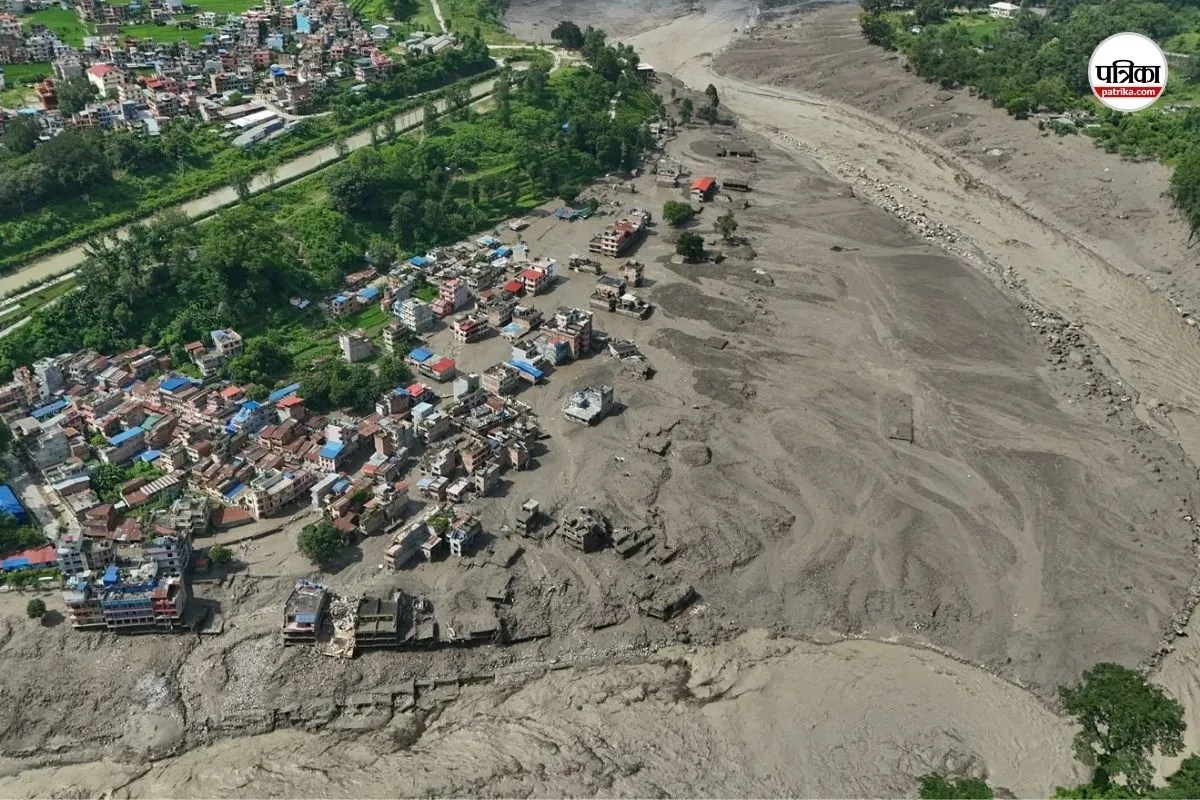
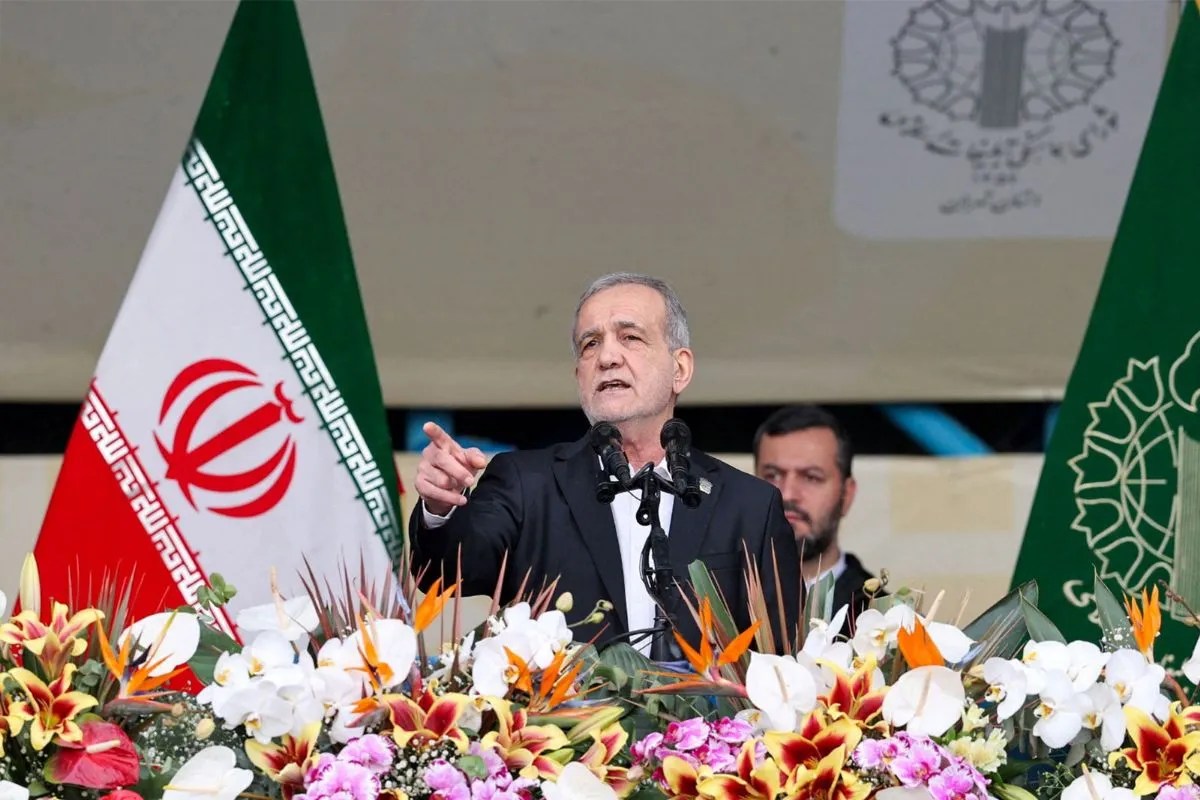
Picture an old man sitting in a modest courtyard in the heart of the capital. Let us call him Uncle Reza, though a million men wear his face across the alleys of Isfahan and Shiraz. He remembers the promises of his youth. He remembers the smell of burning oil and the sudden, jarring realization that his country’s destiny had been hijacked by slogans chanted by crowds he never joined. When he turns on the television today and sees the face of Masoud Pezeshkian, he does not see a political scientist or a firebrand. He sees a cardiac surgeon. Someone whose hands are trained to steady themselves when the patient is bleeding out on the table. Recently making waves in this space: Why the Nepal Flood Devastation Is Unlike Anything We Have Seen Before.
Pezeshkian stepped into the presidency with a rare kind of quiet. He did not roar. He did not promise immediate paradise. Instead, he inherited a nation suffocating under the weight of severe economic sanctions, a collapsing currency, and a populace whose patience has worn as thin as old parchment.
And then came the words that made diplomats in Washington adjust their glasses and intelligence analysts spill their coffee. More insights regarding the matter are covered by Associated Press.
Iran is ready to talk.
Stop. Breathe that in for a second. Because in the language of international relations, those five words are not a white flag. They are a loaded weapon wrapped in velvet.
Pezeshkian made it clear during his recent official statements: the door to diplomacy is not bolted shut. Tehran is willing to engage with Washington, to pick up the thread of dialogue that has snapped and frayed through successive administrations. But—and this is the canyon-sized caveat that changes everything—they are still watching. They are watching with eyes hardened by decades of broken agreements, sudden withdrawals from nuclear accords, and the daily humiliation of watching ordinary citizens struggle to afford basic medicine because of financial blockades.
Caution. That is the armor Iran wears to the negotiating table now.
To understand why this matters, you have to step away from the sterile map rooms of the Pentagon and the polished mahogany desks of the State Department. You have to look at it through the eyes of a young pharmacist in Tehran who spends her morning shift calculating whether the rising cost of insulin will completely wipe out her family's savings by next Tuesday. For her, Washington is not a government across an ocean; it is a weather system. A hurricane that arrives unannounced, driving up the price of bread and plunging her father deeper into quiet despair.
When Pezeshkian signals a willingness to talk, he is speaking for that pharmacist. He is acknowledging a brutal mathematical reality. No nation can survive forever in a pressure cooker. Isolation is a slow poison.
Yet, the ghost of the past haunts every prospective handshake.
Consider what happens when you trust someone who has broken their word before. In 2015, the world watched as the Joint Comprehensive Plan of Action was signed. For a brief, shining moment, the air in Tehran felt lighter. Young people walked the streets at midnight without looking over their shoulders. Foreign investors actually bought plane tickets. The machinery of normal life stuttered back to life.
Then came the U.S. withdrawal in 2018. The return of maximum pressure. The sudden slam of the iron door.
Trust is like fine crystal. Drop it once, and you can glue it back together, but the cracks will always refract the light in strange, dangerous ways. Pezeshkian knows this better than anyone. He is walking a razor-thin wire stretched between two raging fires. On one side are the hardliners within his own borders—the factions who believe that any outreach to the West is an invitation to national suicide, a betrayal of the revolution's foundational defiance. On the other side is an exhausted public that desperately wants the world to open up, yet fears being played for fools yet again.
So how do you negotiate when you are certain the other side is holding a knife behind their back?
You do it with one foot planted firmly on the brake.
This is the nuance missing from most Western headlines that reduce Iranian politics to cartoonish extremism. Pezeshkian’s posture is not weakness. It is defensive pragmatism. He is saying, We will sit at your table. We will listen to your terms. We will discuss the nuclear program, regional tensions, and the future of our trade.
But the subtext is heavy: Do not mistake our exhaustion for surrender.
Imagine sitting across from a negotiator who smiles politely while keeping their hand firmly on the handle of the door, ready to bolt at the first sign of betrayal. That is the energy currently emanating from the Iranian administration. They want the sanctions lifted. They want their oil to flow freely to tankers waiting in the Persian Gulf. They want their young people to have careers, futures, and passports that don't invite automatic suspicion at every international border.
The question is whether Washington has the imagination to meet them there.
For decades, American foreign policy toward Iran has been trapped in a binary loop of coercion and containment. The assumption has always been that if you squeeze hard enough, the regime will either collapse or capitulate. History has proven that theory spectacularly wrong. Squeezing Iran doesn't break the government; it breaks the middle class. It impoverishes the teacher, the artist, the engineer, and the nurse. It radicalizes the youth and feeds the very hardline elements that Washington claims to oppose.
Pezeshkian’s opening is a crack in that monolithic wall. It is an invitation to test a different hypothesis. What happens if, just for once, diplomacy is treated not as a tool of surrender, but as an exercise in mutual survival?
Back in that courtyard in Tehran, Uncle Reza pours another small glass of tea, watching the evening shadows lengthen across the brickwork. He doesn't read the diplomatic cables. He doesn't know the intricacies of uranium enrichment percentages or regional proxy networks. But he knows what it feels like to wait for a phone call that might change everything, or might just bring more bad news.
The tea grows cold. The phone remains silent on the table. But the line is not dead. The President has spoken, the world has heard, and somewhere in the dim space between hostility and hope, the hardest conversation of our lifetime is waiting to begin.