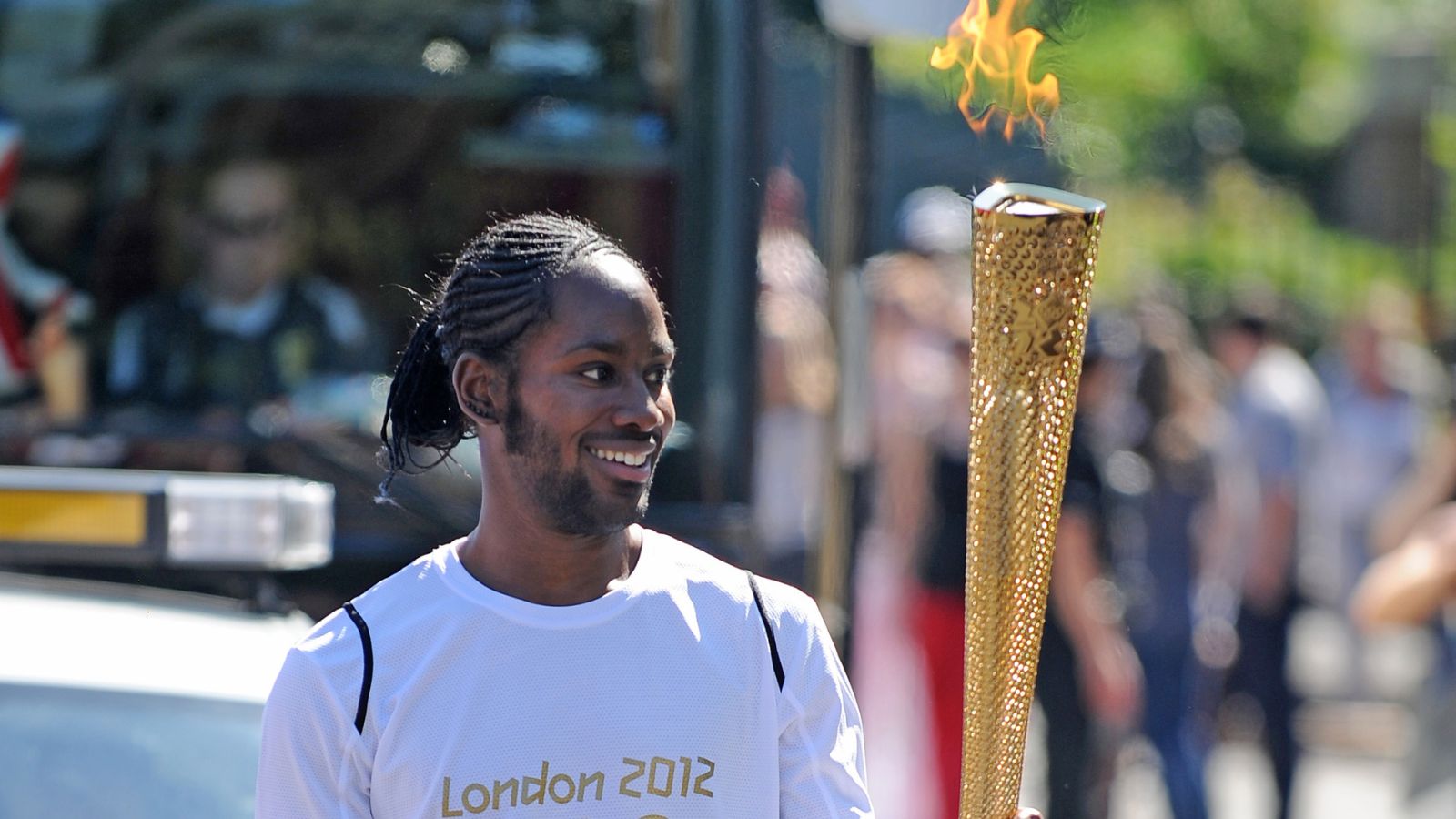
Jason Arday was dead at forty-one. The news dropped like a stone in an academic world already spinning from months of vicious culture wars. Just days earlier, he had stepped down as a professor of sociology of education at the University of Cambridge. He was once celebrated across global headlines as the institution's youngest-ever Black professor. Now, he was found unresponsive in a south London property.
London’s Metropolitan Police stated the death was unexpected but not treated as suspicious. For anyone watching modern higher education, the tragedy marks a dark, sobering milestone. It forces a hard look at how elite institutions, media pressure, and digital mobs collide when a prominent figure falls from grace. Also making waves in related news: Why State Visits to Cairo and Beirut Miss the Entire Point of Middle East Diplomacy.
The Rise and Sudden Fall of Cambridge's Youngest Black Professor
When Arday secured his chair at Cambridge in March 2023 at just thirty-seven years old, his background felt like an inspirational movie script. Raised in London by Ghanaian immigrants, he experienced severe early developmental hurdles. He spoke about being diagnosed with autism spectrum disorder, remaining nonvocal until age eleven, and learning to read and write much later in life.
He climbed the academic ladder through sheer grit, working as a special needs schoolteacher before earning advanced degrees and publishing widely on race, education, and social justice. When Cambridge appointed him, universities trumpeted the milestone as a victory for representation. More information regarding the matter are explored by The New York Times.
Then the narrative fractured.
In late July, an investigation by The Times of London pointed out passages in his 2015 doctoral thesis from Liverpool John Moores University that closely mirrored earlier work by other writers. Questions quickly cascaded beyond the thesis. Critics and online sleuths began scrutinizing other parts of his background. They questioned athletic claims, such as endurance running feats, and fundraising totals he had previously cited.
When Scholarly Disagreement Turns Into Relentless Harassment
The environment turned toxic overnight. What started as legitimate academic inquiry morphed into a pile-on. Petitioning dons at Cambridge demanded formal institutional inquiries. Social media accounts amplified every rumor.
Arday denied intentional plagiarism, though he acknowledged errors existed in his papers. Liverpool John Moores University had previously looked into similar claims and dismissed them. But the momentum of the scandal proved unstoppable. Facing a newly announced university probe into his qualifications and credentials, Arday resigned on August 5.
His resignation letter gave a rare, raw window into the psychological toll of institutional disgrace. He wrote that he had reached the absolute limits of what any human being could endure. He described an unrelenting wave of public attacks that went far past healthy academic debate.
Following his death, his family released a devastating statement through his publisher, Simon & Schuster. They pointed directly at what they called a sustained campaign of misinformation and harassment. They noted that the crushing weight of public scrutiny broke a man who was inherently gentle and always looked for the good in others.
What Higher Education Must Confront Now
The fallout leaves elite British academia facing uncomfortable questions. Plagiarism and CV inflation are serious academic offenses. They deserve proper internal investigations, transparent reviews, and accountability. Academic integrity forms the bedrock of scientific and sociological research. If standards are broken, institutions must act.
Yet the speed at which modern public flaying occurs creates an environment where redemption or fair process becomes impossible. Universities often panic when social media storms hit their gates. They oscillate between defending high-profile hires and throwing them to the wolves the moment controversy arrives.
Jason Arday’s story is messy, complex, and deeply tragic. It sits at the intersection of institutional ambition, systemic pressures around diversity, the ruthless mechanics of online media outrage, and individual vulnerability.
The books will still be written. His upcoming memoir, scheduled for publication later this month, will now carry a heartbreaking postscript. Universities will revise their vetting processes. But the wider ecosystem of how digital culture consumes and destroys public figures remains unchanged.
Take a step back from the point-scoring on social media feeds. Remember that behind every breaking news headline about academic disgrace or institutional failure lies a fragile human life operating at the breaking point.