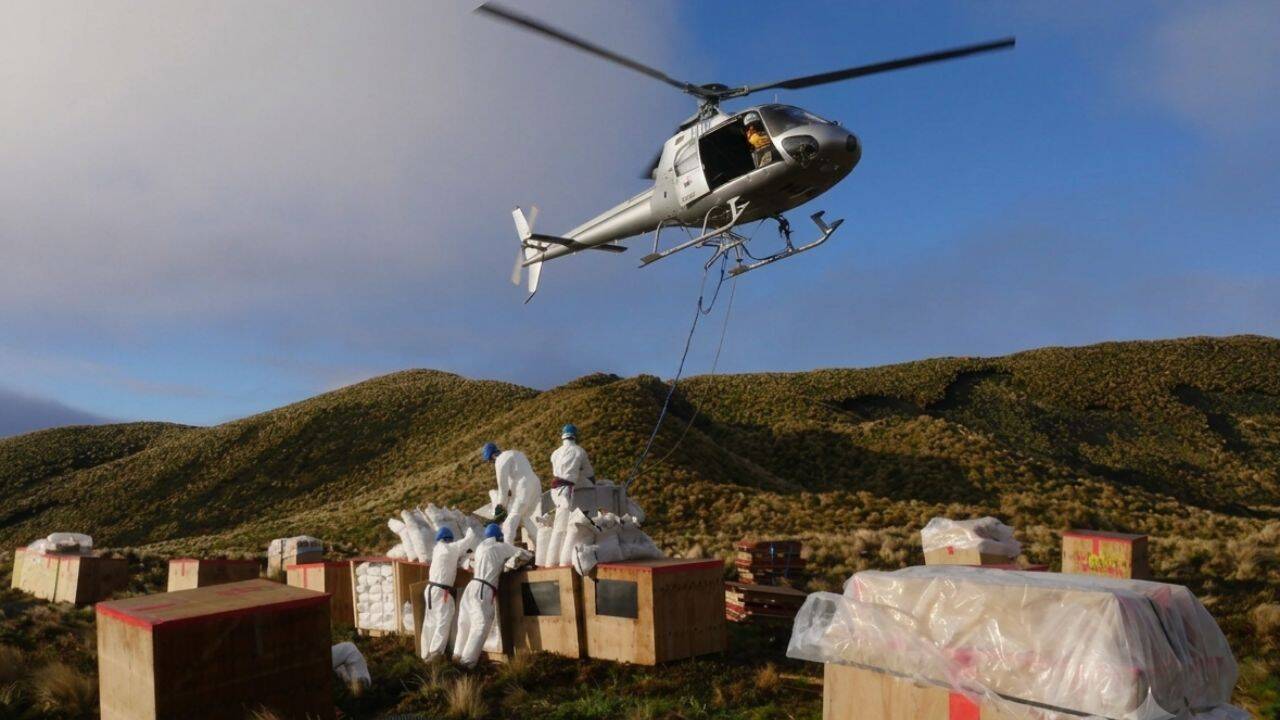
When conservationists managed to purge roughly two hundred thousand invasive mice from a remote Pacific refuge, the aftermath stunned local ecologists. Native bird populations more than doubled within a few short breeding seasons. Silence was replaced by a deafening chorus of feathers and flight. It sounds like a miraculous ecological reset button. It is actually the result of calculated, multi-million-dollar biological warfare executed with military precision.
Islands are fragile biological anomalies. They are isolated evolutionary laboratories where species evolve without defenses against mammalian predators. When rats, mice, or cats arrive via shipwrecks or cargo holds, they encounter an ecosystem of creatures that forgot how to run, hide, or fight back. The New Zealand mouse eradication effort serves as a masterclass in aggressive ecological restoration, but it also exposes the staggering cost of undoing human carelessness.
The Logistics of Eradication
You cannot simply trap two hundred thousand mice. Traditional pest control methods rely on attrition. Conservation demands total annihilation. Leave a single pregnant female alive on a landmass surrounded by thousands of square miles of ocean, and the entire multi-year operation fails within months.
Operations of this scale require specialized aerial distribution of rodenticide pellets, coordinated GPS flight paths, and teams of handlers tracking every square foot of terrain. Weather windows matter immensely. Rain degrades bait before consumption; high winds throw flight patterns off course. Every logistics hurdle carries a six-figure price tag.
Beyond the hardware lies the collateral damage debate. Dropping tons of toxic bait across a pristine ecosystem inevitably poisons non-target species. Conservation agencies maintain captive breeding programs for vulnerable native birds, holding them in bunkers until the poison clears the food web. It is a brutal calculus. Managers must weigh the immediate death of local wildlife against the absolute certainty of extinction if the invasive species remains unchecked.
Why Small Rodents Deliver Massive Catastrophe
People underestimate mice. They view them as cartoonish household pests rather than apex predators of micro-habitats. On remote seabird islands, house mice do not survive on crumbs. They eat the flesh of live albatross chicks.
When food sources peak, mouse numbers explode into population irruptions. Thousands of hungry rodents strip vegetation bare, devour endemic invertebrates, and attack vulnerable nesting seabirds that evolved without nocturnal predators. The loss of seabirds breaks a vital nutrient loop. Marine nutrients deposited on land via bird guano fuel the entire island forest. When mice kill the birds, the forest starves.
Removing the mice stops the bleeding immediately. The sudden doubling of native bird numbers is not an accidental bonus. It is the restoration of an interrupted feedback loop. Seeds germinate without being hoarded or consumed. Insect populations rebound without being over-predated. The island breathes again because the primary bottleneck of destruction was forcefully removed.
The Financial and Political Reality
Conservation is rarely funded by altruism alone. It requires political will, philanthropic capital, and decades of institutional endurance. New Zealand carries out these campaigns because the public views native biodiversity as a matter of national identity.
Critics often point out the staggering expense. Pouring millions of dollars into remote rocks populated mostly by birds looks like bad economics to short-sighted policymakers. Yet, the alternative is passive extinction. Once an endemic species blinks out, no amount of money brings it back.
The success of these massive rodent purges proves that restoration works, but it establishes a terrifying precedent. We are now locked into playing global zookeeper. Every island where we wipe out invasive species requires permanent, hyper-vigilant biosecurity. One careless tourist stepping off a yacht with a stowaway mouse in a backpack restarts the clock.
We have crossed the threshold where nature no longer manages itself. Every restored refuge is an artificial garden maintained by poison, traps, and border checkpoints at the edge of the world.


