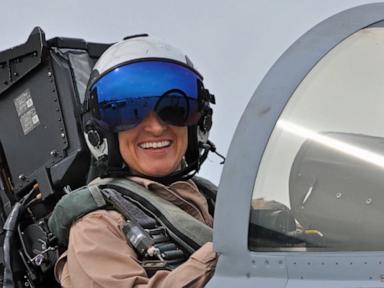
The aviation industry loves a good ceremony. Airlines routinely stage high-profile media events featuring trailblazing female aviators passing the torch to the next generation, honoring legacies that date back to the mid-20th century. These polished PR campaigns give the impression of a rapidly transforming sector where barriers have successfully crumbled.
They lie.
The hard truth is that women still account for fewer than 6% of commercial airline captains globally. For all the glossy promotional videos and ceremonial honors, the structural barriers keeping women out of the flight deck remain largely intact. Decades after the first female pioneers broke through the cockpit door, aviation remains one of the most heavily gender-segregated professions in the global economy. To truly honor the legacy of the women who came first, we must stop celebrating token milestones and start dismantling the systemic economic and cultural roadblocks that continue to stall progress.
The Crushing Economics of the Flight Deck
Achieving the rank of airline captain requires immense capital. The path from an aspiring pilot's first discovery flight to the left seat of a commercial airliner is an grueling financial marathon that eliminates qualified candidates long before they ever touch an airline transport pilot license application.
For the average civilian pilot, the journey begins at a local flight school or an aviation university. The math is brutal.
| Training Milestone | Estimated Cost | Required Flight Hours |
|---|---|---|
| Private Pilot License | $10,000 – $15,000 | 40 – 60 hours |
| Commercial & Instrument Ratings | $30,000 – $45,000 | 250 hours |
| Multi-Engine & Certified Flight Instructor | $15,000 – $25,000 | 300+ hours |
| Total Pipeline Cost to Airline Minimums | $85,000 – $110,000 | 1,500 hours |
This financial barrier acts as a demographic filter. Traditional financing options for flight training are notoriously predatory, featuring high interest rates and rigid repayment terms that do not account for the lean years spent building hours as a low-paid flight instructor.
Because wealth distribution correlates heavily with demographic lines, this upfront capital requirement disproportionately filters out women and minority candidates. Airlines frequently launch small-scale scholarship programs to counter this reality. These programs make for excellent press releases, but they usually fund only a handful of candidates per year, doing nothing to alter the fundamental economics of the pipeline.
The Toxic Legacy of Cockpit Culture
Aviation culture was forged in the military environments of the early and mid-20th century. That legacy casts a long shadow. While major carriers mandate diversity training and implement strict anti-harassment policies, the day-to-day reality inside a cockpit remains insulated from modern workplace norms.
Two pilots spend hours confined in a space smaller than a walk-in closet. In this environment, subtle exclusion thrives. Female aviators routinely report facing a constant undercurrent of skepticism regarding their technical competence. A common phenomenon is the "qualification tax," where a female pilot must repeatedly prove her basic flying skills to a skeptical first officer or captain, whereas a male pilot is granted the presumption of competence from the moment he sets down his flight bag.
"You learn to expect the look of surprise when you walk out to the gate," says one long-haul first officer who requested anonymity to protect her career. "Then comes the subtle testing. They ask you obscure regulations or system questions they would never pose to another guy. You have to be perfect just to be considered average."
This cultural friction extends beyond mere interpersonal dynamics. The industry’s scheduling mechanisms are deeply hostile to anyone attempting to balance a career with family life.
The Maternity Trap and the Seniority Weapon
The foundational mechanism of airline employment is the seniority list. Seniority governs everything: the aircraft you fly, the routes you get, the days you have off, and when you can upgrade to captain. It is a rigid, unforgiving system that treats any break in service as a catastrophic career setback.
This system creates a structural trap for female aviators during their prime childbearing years.
When a pilot takes maternity leave, their career effectively freezes. While legislation in some jurisdictions protects a pilot’s position on the seniority list during standard medical leave, the broader operational realities are brutal. FAA regulations regarding flying while pregnant vary, but many women choose or are forced by medical realities to stop flying during the second or third trimester.
The physical toll of returning to work while nursing or managing sleep deprivation is compounded by the chaotic nature of reserve schedules. A junior pilot on reserve has no control over their life. They must respond to a phone call within two hours and disappear for a four-day trip. For a single mother or a primary caregiver, this requirement is a logistical and financial nightmare that often forces women to downbid their positions or exit the industry entirely.
[Flight School Graduate] ──> [Hour Building (CFI)] ──> [Regional Airline FO]
                                                               │
                                               ┌───────────────┴───────────────┐
                                               ▼                               ▼
                                    [Male Career Path]               [Female Career Path]
                                               │                               │
                                       (Steady Seniority)              (Maternity Leave Hold)
                                               │                               │
                                               ▼                               ▼
                                    [Major Airline Captain]          [Delayed Upgrade / Exit]
The Military Pipeline Illusion
Historically, major airlines drew the vast majority of their talent from the armed forces. This pipeline allowed carriers to bypass the civilian training cost issue entirely, as the government footed the bill for elite flight instruction.
This reliance on the military pipeline structurally institutionalized the exclusion of women.
Women were legally barred from flying combat aircraft in the United States until 1993. Because airlines preferred fighter and bomber pilots for their elite jet experience, women were structurally locked out of the primary recruitment pool for decades. Even today, women make up only a tiny fraction of military pilots. By continuing to heavily favor military backgrounds without actively correcting for the historical imbalance of those pipelines, airlines perpetuate a self-reinforcing loop of male dominance.
Beyond the Photo Op
If the aviation industry genuinely wants to honor the legacy of its female pioneers, it must abandon the theater of public relations and commit to structural reform.
First, airlines must transition from offering token scholarships to establishing fully funded, corporate-sponsored ab initio training academies where candidates are paid a living wage while earning their ratings. This eliminates the wealth barrier entirely and opens the profession to a genuinely diverse talent pool.
Second, the seniority system must be modernized to allow for flexible scheduling, job-sharing arrangements, and protected leaves of absence that do not permanently derail a pilot's career trajectory.
Until these economic and structural realities are addressed, every video of a veteran female aviator passing the torch is just marketing. The industry does not need more ceremonies. It needs a fundamental overhaul of how it recruits, trains, and retains its workforce. Aviation executives must face the fact that their current system is broken, and no amount of historical nostalgia will fix it. Target the structural barriers directly or admit that the status quo is exactly what you want.