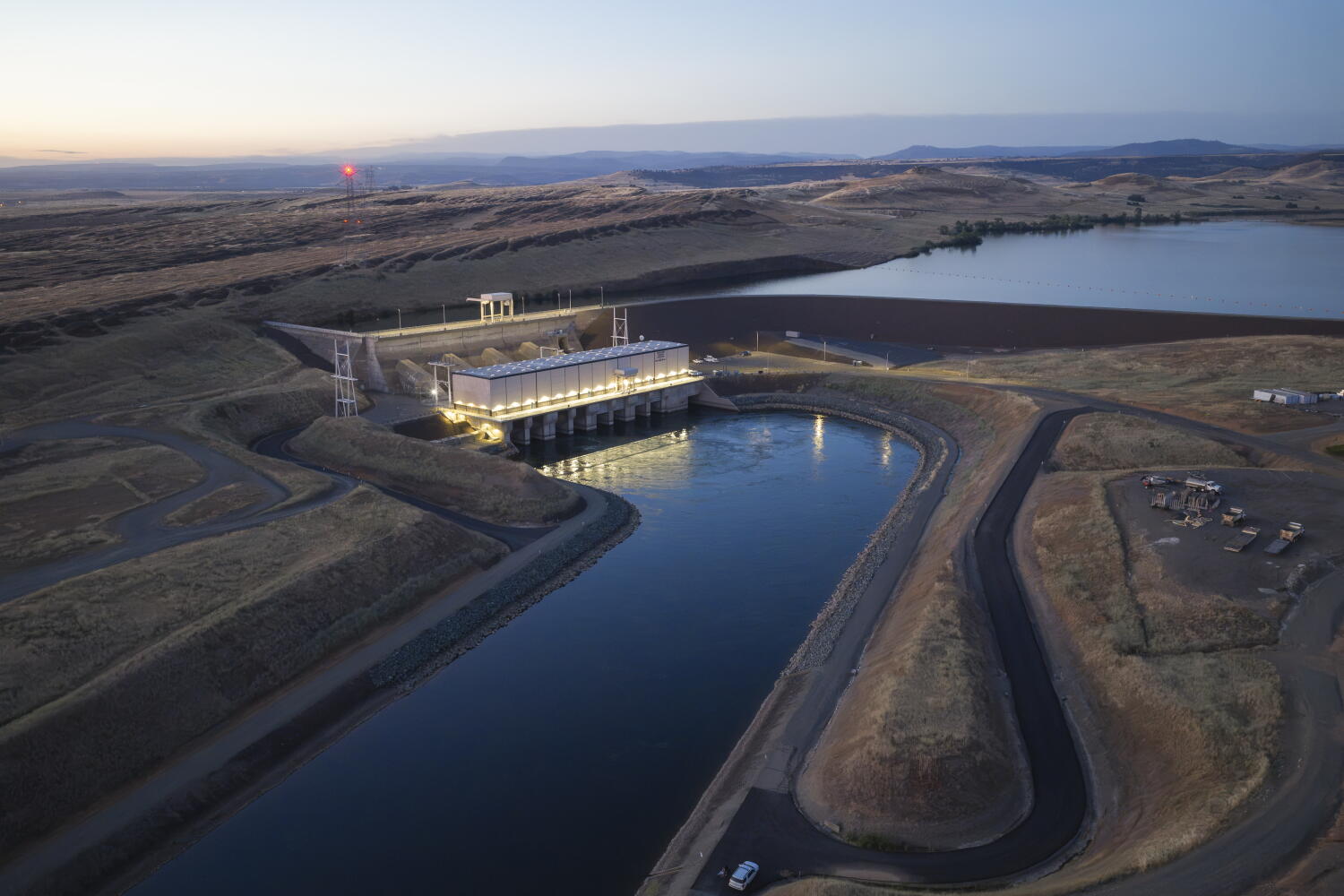
The Sacramento-San Joaquin River Delta is dying, and the legal battle to save it is exposing the fundamental rot at the heart of California's water management. A high-stakes lawsuit filed by the California Water Impact Network and the Central Delta Water Agency targets the Department of Water Resources, demanding an immediate fifty percent reduction in pumping from the estuary. This aggressive legal action is not just another environmental protest. It represents a direct challenge to the plumbing system that feeds millions of acres of agribusiness and urban centers south of the Delta, operating on the premise that decades of over-allocation have pushed the ecosystem past its breaking point.
For generations, the official narrative maintained that the State Water Project and the federal Central Valley Project could successfully balance massive water exports with environmental preservation. Reality has dismantled that fiction. Native fish populations, including Chinook salmon, steelhead trout, and the critically imperiled delta smelt, have suffered catastrophic collapses. Decades of intensive pumping pull fresh water away from its natural paths, pulling saltwater deeper into the inland maze of channels. This saline creep destroys local agriculture, fouls municipal intakes, and breeds toxic cyanobacteria blooms that poison the waterways.
The legal foundation of the challenge rests on two pillars of California jurisprudence: the public trust doctrine and the constitutional mandate against unreasonable water use. Invoking the spirit of the landmark 1983 Mono Lake ruling, the plaintiffs argue that the state holds navigable waters in trust for the public, imposing a continuous duty to protect ecological values rather than treating water rights as absolute private property. Coupled with Article X, Section 2 of the state constitution, which outlaws waste and unreasonable diversion methods, the lawsuit argues that current operational strategies violate foundational state law by prioritizing short-term extraction over long-term survival.
At the center of this friction lies an economic model built on thirst. Roughly fifty-six percent of the water pulled through the State Water Project goes to urban users, while forty-four percent supports agriculture. Yet, the agricultural footprint has transformed dramatically over the past thirty years. Driven by lucrative global markets, growers have replaced seasonal field crops with millions of acres of permanent orchards—primarily almonds and pistachios. These permanent trees cannot be fallowed during drought years without killing the investment. Consequently, when dry years hit, the pressure to maintain pumping through the Delta intensifies, locking the state into a perpetual cycle of ecological depletion.
State officials, operating under the administration of Governor Gavin Newsom, have consistently defended their regulatory balancing act, emphasizing negotiated management plans and updated operational rules designed to protect species while maintaining delivery reliability. State attorneys view the new litigation as an existential threat to the primary plumbing of the economy. Legal analysts note that overturning decades of entrenched water allocation through the courts is an uphill battle, as the judiciary has historically shown reluctance to unilaterally redraw water delivery systems without legislative or administrative consensus.
Yet, the urgency driving the plaintiffs stems from a simple mathematical and ecological truth: the ledger does not balance. Climate change has compressed snowpacks, intensified droughts, and raised water temperatures, leaving less fresh water to dilute pollutants and sustain migrating fish. When rivers run warm and shallow, the engineering marvels of pumps and canals become machines of extraction that outpace the natural replenishment rate of the watershed.
The confrontation in the courtroom forces a reckoning that California politicians have avoided for decades. Water is no longer simply scarce; it is dangerously mismanaged. Whether the courts possess the appetite to force a structural contraction of the state's water delivery apparatus remains uncertain, but the illusion that the Delta can absorb endless extraction without collapsing has finally fractured.
The water continues to flow south, and the pumps keep turning.