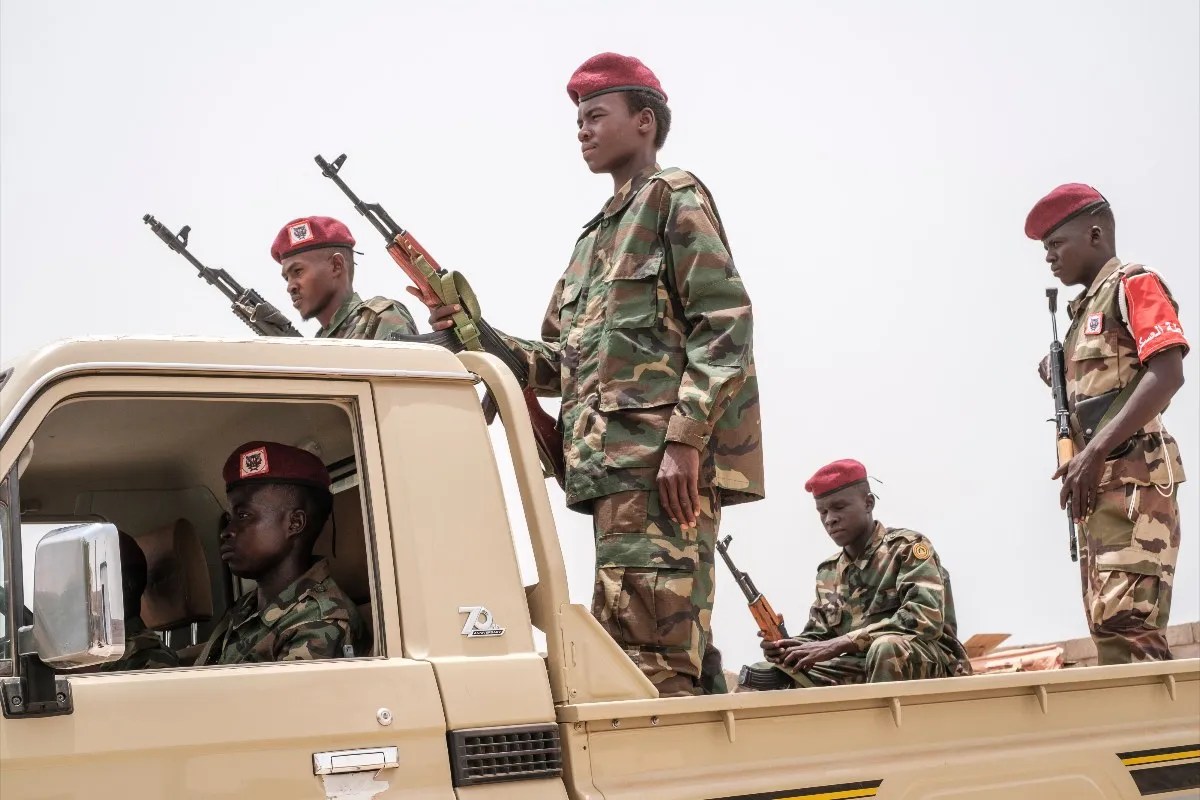
Fifteen innocent lives extinguished in a single flash of kinetic violence. The Rapid Support Forces strike again, leaving behind shattered communities, burning rubble, and a mounting death toll that defies international indifference.
The numbers are stark. The human cost is immeasurable. Yet, the cycle of bloodshed attributed to the RSF continues with a terrifying predictability that exposes the complete failure of regional diplomacy and security architectures.
Understanding why this violence persists requires looking past the immediate casualty reports. It demands an unsparing examination of command structures, supply lines, and the political vacuum that allows paramilitary units to operate with near-total impunity.
Anatomy of an Atravet-Style Assault
Modern paramilitary operations rarely resemble traditional battlefield engagements. They are fluid, brutal, and deliberately designed to terrorize civilian populations into submission or displacement.
When RSF units move into a residential neighborhood or a rural agricultural hub, the playbook is ruthlessly consistent. Motorized infantry units equipped with technicals sweep the perimeter. Communication lines are severed. Then comes the systematic looting, arson, and execution-style violence targeting anyone suspected of harboring sympathies for rival factions or simply possessing assets worth stealing.
The tactical objective is rarely territory for its own sake. The objective is economic extraction and demographic engineering. By clearing populations out of strategic corridors, paramilitary commanders secure smuggling routes, gold-mining operations, and supply hubs that finance their continued campaign.
The Logistics of Terror
Weapons do not appear in a vacuum. Heavy weaponry, ammunition crates, fuel trucks, and communications gear require robust supply chains. Despite international arms embargoes and diplomatic hand-wringing, materiel flows across borders with alarming regularity.
Analysts tracking regional arms trafficking point to porous borders, corrupt border guards, and external patrons who view internal instability as a convenient proxy theater. When fifteen civilians die in a targeted raid, they are casualties of a heavily financed enterprise that treats human life as an expendable commodity.
The financial architecture sustaining these forces relies heavily on illicit trade. Control over natural resources, particularly artisanal gold mines and agricultural exports, provides hard currency. This currency buys loyalty, fuel, and weapons. Until the financial pipelines are systematically choked, tactical condemnation from foreign capitals remains utterly meaningless.
The Diplomatic Paralysis
Ceasefire agreements are signed in air-conditioned conference rooms thousands of miles away from the smell of cordite and smoke. They are violated before the ink dries.
Why do these diplomatic interventions fail with such monotonous regularity? The answer lies in incentives. For paramilitary commanders, peace often means accountability, loss of revenue streams, and demobilization. War, by contrast, offers enrichment, power, and leverage.
Mediators consistently make the fatal error of treating non-state armed actors as legitimate political partners rather than what they fundamentally are: criminal enterprises wielding military force. When negotiations offer amnesty instead of prosecution, the incentive structure actively rewards cruelty.
Furthermore, international fatigue has set in. With multiple global crises competing for headlines, the suffering in East Africa slips down the priority list. Declarations of deep concern replace decisive action. Sanctions lists are drawn up, but enforcement mechanisms remain weak, easily bypassed by shell companies and sympathetic intermediaries.
Local Resistance and Survival Mechanisms
In the absence of external protection, civilian populations are forced to innovate just to survive. Local committees organize early-warning networks, pooling meager resources to smuggle vulnerable families out of active combat zones.
These grassroots efforts are remarkable, but they are hopelessly outgunned. You cannot stop a heavy machine gun with a community watch network. The asymmetry of force creates an atmosphere of fatalism, where residents live from one day to the next, never knowing when their home will be the next target of an arbitrary raid.
Medical infrastructure bears the brunt of this brutality. Hospitals are routinely looted, occupied, or bombed. Surgeons operate by the light of mobile phones, running out of anesthetics, antibiotics, and clean water. The destruction of healthcare is not a regrettable byproduct of the fighting; it is a calculated mechanism of displacement. If people have nowhere to heal, they leave.
The Broader Regional Ripple Effects
Violence of this magnitude never stays contained within national borders. Refugee flows overwhelm neighboring states that are already economically fragile and politically unstable.
Camp infrastructure strains past breaking point. Disease outbreaks follow close behind displacement. Smuggling networks that profit from moving weapons also profit from moving desperate human beings across perilous borders, fueling a lucrative underground economy of exploitation.
Regional stability is a fragile ecosystem. When one pillar collapses under the weight of sustained paramilitary violence, the shockwaves travel outward. Neighboring governments find themselves forced to choose between militarizing their borders or absorbing millions of displaced persons, both of which carry immense political and economic costs.
Breaking the Impasse
The path forward, if one truly exists, requires abandoning polite fictions.
First, financial intelligence units must aggressively target the international banking networks used to launder money extracted from conflict zones. Freeze the assets of commanders, facilitators, and front companies wherever they operate globally.
Second, accountability must move from theoretical future tribunals to immediate, targeted indictments. Impunity is the primary fuel of atrocities. When perpetrators realize that borders offer no safety from prosecution, the cost-benefit analysis of violence shifts.
Third, humanitarian corridors must be enforced, not merely requested. If international actors are unwilling to use deterrence to protect aid convoys and medical facilities, the starvation and disease tolls will soon eclipse direct casualties from gunfire.
Fifteen lives were lost in the latest assault. Tomorrow, the number could double. The mechanics of this violence are documented, transparent, and entirely preventable. The missing ingredient has never been information; it has been the political will to act before the next village burns.