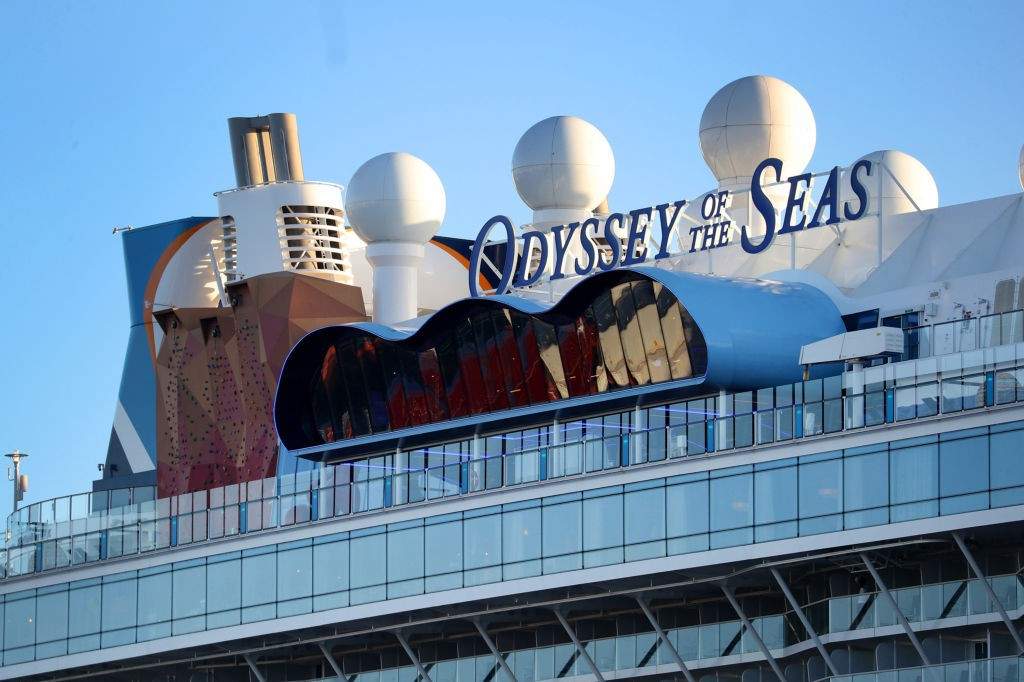
In October 2026, a 44-year-old passenger went overboard from a Royal Caribbean vessel in the Ionian Sea near Zakynthos and survived roughly twenty hours in open water before a cargo ship spotted her conscious inside a lifebuoy.
She beat staggering odds. Most people who slip off a mega-ship into deep water never get a second chance. A rescue twenty hours after a cruise passenger enters the sea does not happen because maritime safety systems worked like clockwork; it happens when a rare chain of physiological endurance, favorable water temperatures, flotation, and sheer serendipity holds together long enough for searchers to find a needle in an ocean-sized haystack.
Anyone covering this story as a neat feel-good miracle misses the harder reality beneath the headline. Overboard incidents expose a persistent gap between what passengers assume ships can detect in real time and what maritime law and shipboard technology actually deliver.
Why Twenty Hours at Sea Defies the Odds
Surviving twenty hours in open water requires clearing biological hurdles that claim many overboard victims within minutes or a few hours.
Cold shock is the first ambush. When a person hits cold water suddenly, the body reacts with an involuntary gasp and rapid breathing that can lead to inhaling water before swimming even starts. Heart rate and blood pressure spike, and peripheral muscles lose strength fast, turning a capable swimmer into someone struggling just to keep a mouth above the surface.
Water temperature dictates the clock far more than dramatic Hollywood rescue scenes suggest. In warmer seas, a person who stays afloat and keeps their head clear of the water can endure for many hours without succumbing rapidly to hypothermia. In colder water, heat drains away faster than movement can replace it, and thrashing around can actually accelerate heat loss.
Flotation changes the math entirely. A person clinging to a lifebuoy or floating aid expends a fraction of the energy required to tread water through waves and swells across a long night.
Fatigue, dehydration, salt ingestion, and psychological panic steadily wear down even resilient people as darkness falls and swells rise. That is why a rescue near Zakynthos—where a cargo ship located the woman conscious inside a lifebuoy after hours adrift—stands out as an exception rather than a blueprint you can rely on. Just weeks later, in November 2026, a Royal Caribbean pianist survived roughly nine hours treading water off California before fishermen pulled him out, while other overboard searches end in suspension after dozens of hours of fruitless sweeping.
The Detection Gap Nobody Talks About at Boarding
Most travelers step onto a gleaming 20-deck ship assuming cameras and sensors watch every rail the way security systems watch a bank vault. They do not.
On a giant vessel cruising at speed, a single missing person often goes unnoticed for hours. Cabin doors do not ring an alarm when someone fails to show up for breakfast, and thousands of guests move through lounges, pools, and decks without any continuous headcount. By the time a friend or family member reports someone missing, the ship may be dozens or even hundreds of nautical miles past the point of entry.
Law Versus Reality on Shipboard Sensors
Federal legislation in the United States—specifically the Cruise Vessel Security and Safety Act—addressed overboard monitoring by pointing toward technology that captures images or detects passengers falling overboard, to the extent such systems are available. That phrasing matters enormously.
Capturing video along a hull is not the same as sounding an immediate bridge alarm when a body drops past a railing. Security cameras can record hours of exterior footage that crew members must review after a disappearance is reported. Real-time automated detection requires reliable differentiation between a human fall and sea spray, gulls, shadows, or swinging gear, especially at night.
Why Real-Time Alarms Remain Uneven
Over the past decade, operators and marine technology firms have tested thermal imaging, radar, and computer vision aimed at spotting overboard events as they happen. International standards such as ISO 21195 have given the sector a technical benchmark to evaluate detection systems, and certified installations are expanding in commercial trials.
Yet retrofitting massive, constantly moving ships with high-reliability exterior sensors across every deck and blind spot is expensive and complex. Early generations of automated systems drew criticism for nuisance alerts, and enforcement nuances have left many ships relying primarily on camera coverage and post-incident investigation rather than instant automated alarms.
When an alarm does not fire immediately, two penalties hit rescue teams at once:
- Lost time in the water: Every uncounted hour drains the victim's stamina, body heat, and will to stay afloat.
- Expanding search geometry: Currents, wind, and surface drift push a person away from the ship's track while the vessel keeps moving forward, turning a pinpoint search into a vast grid.
How Search and Rescue Turns Into a Needle Hunt
Consider a hypothetical example of a passenger going unnoticed for four hours at night while a ship cruises at 20 knots. By the time the alarm is raised, the vessel is 80 nautical miles downrange, and coastal authorities must factor in wind drift and surface currents across a wide corridor before aircraft and vessels even reach the zone.
That is why commercial vessels—cargo ships, tankers, and fishing boats already transiting the area—so often play a decisive role alongside coast guard assets. Extra eyes on the water and lights or reflective gear on flotation equipment can make the difference between spotting a person at dawn and calling off a search two days later.
None of this is meant to turn a vacation into paranoia. Tens of millions of people cruise safely every year, and ship railings are engineered to prevent accidental slips under normal conditions. Still, pretending that overboard survival is routine or that shipboard cameras guarantee instant rescue misleads passengers about how open-water emergencies actually unfold.
What Passengers and Operators Must Confront
For the cruise industry, a dramatic survival story brings brief relief mixed with uncomfortable scrutiny. Survival after twenty hours in the sea proves what human endurance and timely surface spotting can achieve; it does not erase the operational blind spots that let hours slip away before a search begins.
For travelers, practical awareness starts with simple habits at sea: never sit or climb on railings, let someone know your plans if you are traveling solo or late at night, and treat open water with the respect it demands. Look closely at the horizon on your next voyage and remember that the ocean is vast, indifferent, and unforgiving of wasted minutes.