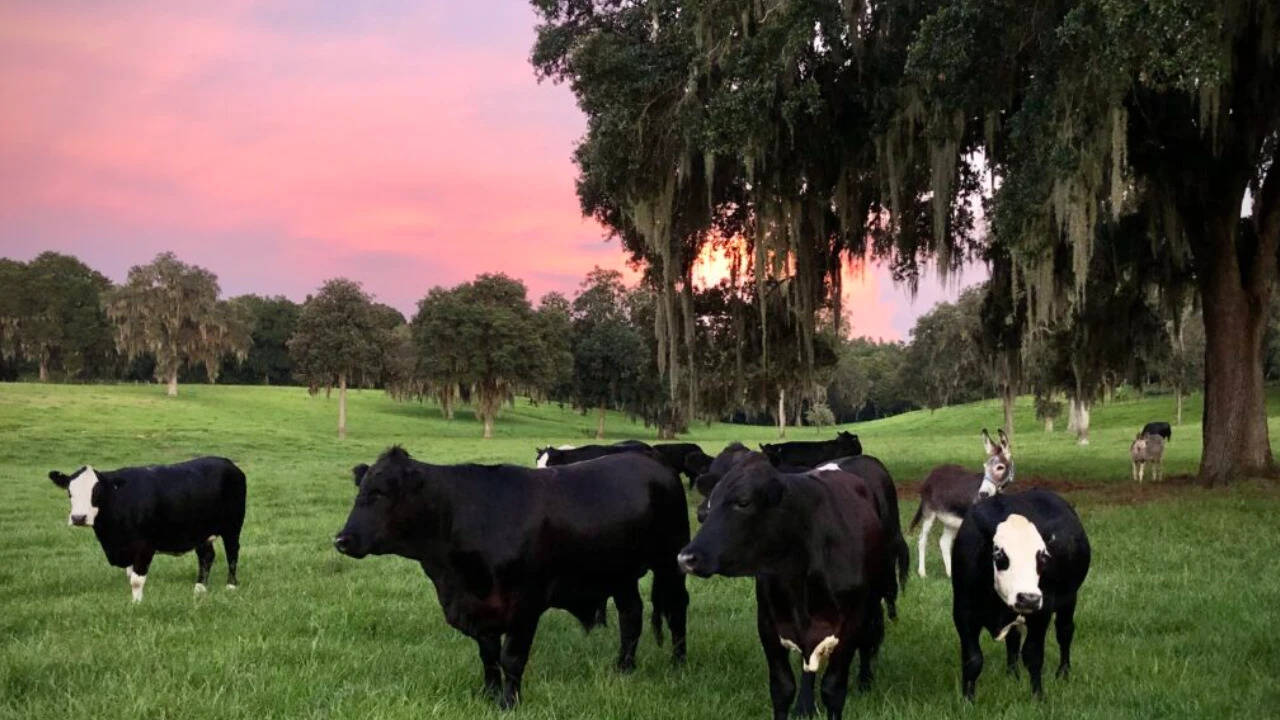
Everyone loves a feel-good headline about rich folks buying up hundreds of acres in Florida to save abused animals. You read the story, click the share button, and pat yourself on the back for supporting compassionate humans.
Stop clapping. You are celebrating a glorified hoarding operation wrapped in a tax-deductible bow.
The mainstream press treats every private animal rescue like a Disney movie. They print glowing profiles about a couple acquiring 420 acres of Sunshine State scrubland, erecting miles of chain-link fencing, and taking in discarded exotic pets, retired circus performers, and surplus farm animals. The lazy consensus says more land equals more salvation. More grass means happier cows, bigger enclosures mean liberated tigers, and private philanthropy is stepping in where government wildlife agencies fail.
That narrative is dead wrong. Having spent fifteen years auditing nonprofit conservation budgets, reviewing USDA inspection logs, and watching well-meaning sanctuaries implode into bankruptcy, I can tell you the brutal truth. Buying 420 acres in Florida to house non-native, non-releasable animals is rarely a victory for wildlife. More often, it is a logistical time bomb that drains conservation capital, damages local ecosystems, and traps animals in a different kind of gilded cage.
The Acreage Illusion and the Florida Swamp Reality
Four hundred and twenty acres sounds massive when you sit in a Manhattan cubicle or a suburban living room. On paper, it reads like the Serengeti.
In reality, 420 acres in central or northern Florida is roughly two-thirds of a square mile of sandy soil, palmetto scrub, standing swamp water, and blistering heat. Once you subtract wetlands that cannot support heavy infrastructure, buffer zones required by county zoning boards, access roads, quarantine barns, and hay storage, your usable paddock space shrinks by half.
Now factor in the biology of the residents.
A single adult tiger requires massive caloric intake and reinforced double-fencing with buried concrete dig-guards to satisfy basic safety standards set by the Global Federation of Animal Sanctuaries (GFAS). An elephant needs miles of varied terrain to prevent fatal foot rot—a notorious killer in humid, flat environments like Florida. Even a modest herd of thirty rescued horses or cattle will strip 200 acres of nutrient-poor Florida bahiagrass down to bare sand in less than two seasons without aggressive, expensive pasture rotation and chemical fertilization.
I have walked properties across the Southeast where founders bought cheap agricultural land thinking nature would do the heavy lifting. Within three years, those pristine pastures turned into mud pits rife with gastrointestinal parasites. Warm, wet climates are incubators for barber pole worms, liver flukes, and hoof abscesses. Putting dozens of rescued animals onto concentrated acreage in a subtropical climate does not cure their trauma; it creates a veterinary triage nightmare.
Follow the Money Because the Animals Cannot Eat Good Intentions
Land is the cheapest part of running a sanctuary. Anyone with a trust fund, a lucky real estate exit, or a viral GoFundMe campaign can close on a rural tract in Marion or Polk County.
Feeding, insuring, and medically treating the animals on that land for the next thirty years is where the fairy tale dies.
Let us look at the actual math of long-term exotic and large-animal care, stripped of fundraising fluff:
- Carnivore Maintenance: A single big cat or bear consumes between $10,000 and $15,000 annually in raw meat, supplements, and routine veterinary sedation.
- Equine and Livestock Overhead: A rescued horse living into its late twenties costs roughly $3,500 to $5,000 a year in hay, farrier visits, and dental floats—assuming it has zero chronic conditions.
- Infrastructure Depreciation: Florida humidity, salt air, and hurricane seasons eat galvanized steel and pressure-treated lumber alive. Every ten to fifteen years, an entire facility requires structural replacement.
Most private couples launching mega-sanctuaries operate on founder-dependent revenue. They bankroll the initial land purchase and fencing out of pocket, then rely on emotional social media appeals to cover monthly payroll. When the founder ages out, gets divorced, or hits a personal financial snag, the endowment does not exist.
True conservation organizations like the Association of Zoos and Aquariums (AZA) accredited facilities or established wildlife trusts require massive, restricted endowments before breaking ground on new habitats. Private couples rarely build endowments. They build monuments to their own empathy, leaving county sheriffs and accredited sanctuaries to pick up the pieces when the money runs dry. I have seen state wildlife officers forced to euthanize dozens of healthy, "rescued" exotics because a private sanctuary owner ran out of cash for meat and liability insurance. That is not rescue. That is delayed tragedy.
How Sanctuaries Accidentally Fuel the Exotic Pet Trade
Here is the part nobody in the rescue community wants to admit out loud: every time a high-profile sanctuary opens its gates to absorb surplus animals, it subsidizes the market failure of the exotic pet and backyard breeding industries.
Think about the economics.
When a roadside zoo goes belly-up, or a private owner realizes a cute baby capuchin monkey or juvenile alligator has grown into a dangerous, destructive adult, they face a crisis. Historically, that crisis served as a natural deterrent. If you knew you were stuck with a 500-pound apex predator for twenty years with nowhere to dump it, you might think twice before buying it from a broker in Texas.
Enter the sprawling Florida sanctuary.
By offering a guilt-free off-ramp for irresponsible owners and failing roadside attractions, sanctuaries absorb the downstream liability of bad behavior. Breeders keep breeding because they know soft-hearted philanthropists will always scramble to rescue the "unwanted" surplus. Worse still, many private sanctuaries blur the line between true rescue and commercial exhibition. To pay for that 420-acre mortgage, they open up for "VIP behind-the-scenes tours," charge $200 for photo ops, or solicit volunteers to work for free in exchange for proximity to wild animals.
At that point, the operational model becomes indistinguishable from the roadside zoos they claim to oppose. If the public is paying to pet a cub or feed a sloth through a fence, the animal is still a commodity. You just changed the signage from "entertainment" to "education."
The Ecological Cost of Saving Non-Native Species
We need to talk about opportunity cost in land management.
Florida is ground zero for biodiversity loss in North America. Development is paving over the Florida wildlife corridor at a breakneck pace, squeezing native black bears, Florida panthers, gopher tortoises, and indigo snakes into shrinking islands of habitat.
When a wealthy couple buys 420 acres of intact Florida scrub or pine flatwoods and fences it off to house retired farm animals, African lions, or Asian primates, they are locking up prime native habitat to warehouse non-native species.
- Habitat Fragmentation: High-security perimeter fencing—often eight to twelve feet tall with buried aprons—blocks native wildlife from migrating across those 420 acres. The sanctuary literally walls off a chunk of the ecosystem.
- Nutrient Runoff: Concentrated animal waste from hundreds of rescued livestock or exotics alters soil chemistry and leaches nitrates into Florida's fragile karst aquifer system and nearby springs.
- Invasive Vector Risk: Florida already suffers from the worst invasive species crisis in the continental United States, from Burmese pythons to feral hogs. Housing non-native fauna in a hurricane zone carries a permanent, non-zero risk of escape during a Category 4 storm. Hurricane Andrew proved what happens when private facilities lose structural integrity; decades later, ecosystems are still paying the price.
Spending millions to keep a handful of non-native animals comfortable in cages while native species go extinct outside the fence is the ultimate conservation blind spot. It prioritizes individual animal sentimentality over systemic ecological survival.
Addressing the Questions Everyone Asks Wrong
When stories like this go viral, the internet immediately floods with predictable questions. Most of them miss the point entirely.
Are animal sanctuaries actually better than zoos?
This question assumes a false binary. A terrible roadside zoo is worse than a GFAS-accredited sanctuary. However, an accredited modern zoo operating under strict Species Survival Plan (SSP) protocols contributes infinitely more to global biodiversity than a private sanctuary ever will. Sanctuaries are hospices. They manage the end-of-life care for genetic dead-ends that can never be released into the wild. Zoos—the real ones, not roadside cages—maintain genetically viable insurance populations and fund field conservation. Confusing a retirement home with a conservation engine is a fundamental misunderstanding of wildlife biology.
How do private couples afford to buy 420 acres for animals?
Usually through one of three mechanisms: inherited wealth, a private-sector exit, or aggressive land-trust tax structuring. Purchasing agricultural-zoned acreage in Florida comes with massive property tax breaks under the state's "Greenbelt" laws, provided the land maintains bona fide agricultural use—which often incentivizes owners to keep breeding or grazing livestock just to keep their tax assessment low. Furthermore, forming a 501(c)(3) nonprofit allows founders to donate land or capital to their own organization, taking substantial income tax deductions while retaining board control over the property. Follow the tax code before you praise the altruism.
What happens to the animals when the founders die?
Unless the sanctuary has established an independent board of directors, a legally binding succession plan, and a multi-million-dollar restricted endowment, the animals enter crisis mode. Typically, state fish and wildlife commissions step in to broker emergency transfers to other facilities. Because accredited sanctuaries are perpetually at 100% capacity, many of these animals end up euthanized or shuffled into substandard private hands. A sanctuary without a fifty-year financial runway is just a temporary holding pen.
The Honest Caveat to My Own Argument
Look, I am not rooting for animals to suffer in cramped concrete runs or backyard cages.
If a tiger is already sitting in a rusty trailer behind a gas station in Oklahoma, or a herd of abused horses is starving on a foreclosure lot, those animals exist right now. You cannot tell a living, breathing creature to wait until humanity fixes systemic wildlife laws. Someone has to step in, provide pain relief, give them room to stretch their legs, and let them live out their days without being beaten or exploited. When a private couple uses their own fortune to buy 420 acres and actually builds double-fenced, enriched, accredited habitats with proper veterinary staffing, those individual animals undeniably experience a massive upgrade in daily welfare.
That is the moral tension at the heart of rescue work. Individual welfare and macro-conservation are constantly at war with each other. Every dollar spent keeping one geriatric bear alive in Florida is a dollar not spent protecting wild bear habitat in the Ocala National Forest. You can defend the compassion of the act while still recognizing that it is a terrible, inefficient way to save wildlife.
What Real Impact Looks Like Instead
If you have the capital to buy 420 acres in Florida—or if you are a regular person deciding where to send your $50 donation—stop falling for big-acreage vanity projects.
If you are a high-net-worth buyer: Do not build a new sanctuary. The United States does not need another standalone rescue facility competing for the same pool of donors, veterinarians, and hay suppliers. Instead, buy that 420 acres, place a permanent conservation easement on the deed through a group like The Nature Conservancy or the Florida Wildlife Corridor Foundation, restore the native longleaf pine ecosystem, and let wild panthers and black bears use it for free. If you insist on helping captive animals, write a check directly to the endowment of an existing GFAS-accredited facility so they can hire more vet techs and fix their aging infrastructure.
If you are a donor or reader: Audit before you applaud. Before you share a viral sanctuary story or donate a dime, look up their IRS Form 990 on ProPublica. Check if they are accredited by the Global Federation of Animal Sanctuaries—not just "USDA licensed," which is a baseline legal permit that even the worst roadside zoos hold. Look at their board of directors: if it is just a husband, a wife, and their best friend, keep your wallet in your pocket.
Real animal welfare is not sexy. It does not look like a glamorous couple posing beside a fence on 420 sunny acres. It looks like boring spreadsheets, locked endowments, strict no-breeding policies, and the discipline to say "no" when taking in one more animal compromises the care of the ones already there.
Stop celebrating people for buying land. Start asking who is going to pay the vet bills thirty years from now.


