European football clubs have spent decades trying to crack the Chinese market with corporate predictability. They sent aging superstars on exhausting summer tours, opened flagship stores in Shanghai, and forced bewildered athletes to record awkward Lunar New Year greetings. Most of these efforts yielded little more than superficial engagement and counterfeit jersey sales.
Then came Erling Haaland.
The Manchester City striker did not follow the established marketing playbook. He did not spend years courting Chinese state media. Instead, the Norwegian forward became an overnight cultural phenomenon known across Chinese social platforms as Ha Bao, or "Precious Haaland." To the uninitiated, this looks like another quirky internet trend. To sports executives and cultural analysts, it represents a fundamental shift in how international sports stars are minted, commodified, and consumed in the world’s largest consumer market.
The obsession runs deep. On platforms like Douyin, Weibo, and Xiaohongshu, Haaland is treated less like a clinical athletic machine and more like a beloved, chaotic digital idol. This phenomenon answers a critical question for the future of global sports broadcasting. Western clubs can no longer rely on traditional loyalty. They must adapt to a consumer ecosystem driven by meme culture, algorithmic curation, and a desperate desire for pure entertainment.
The Aesthetic of the Unconventional Idol
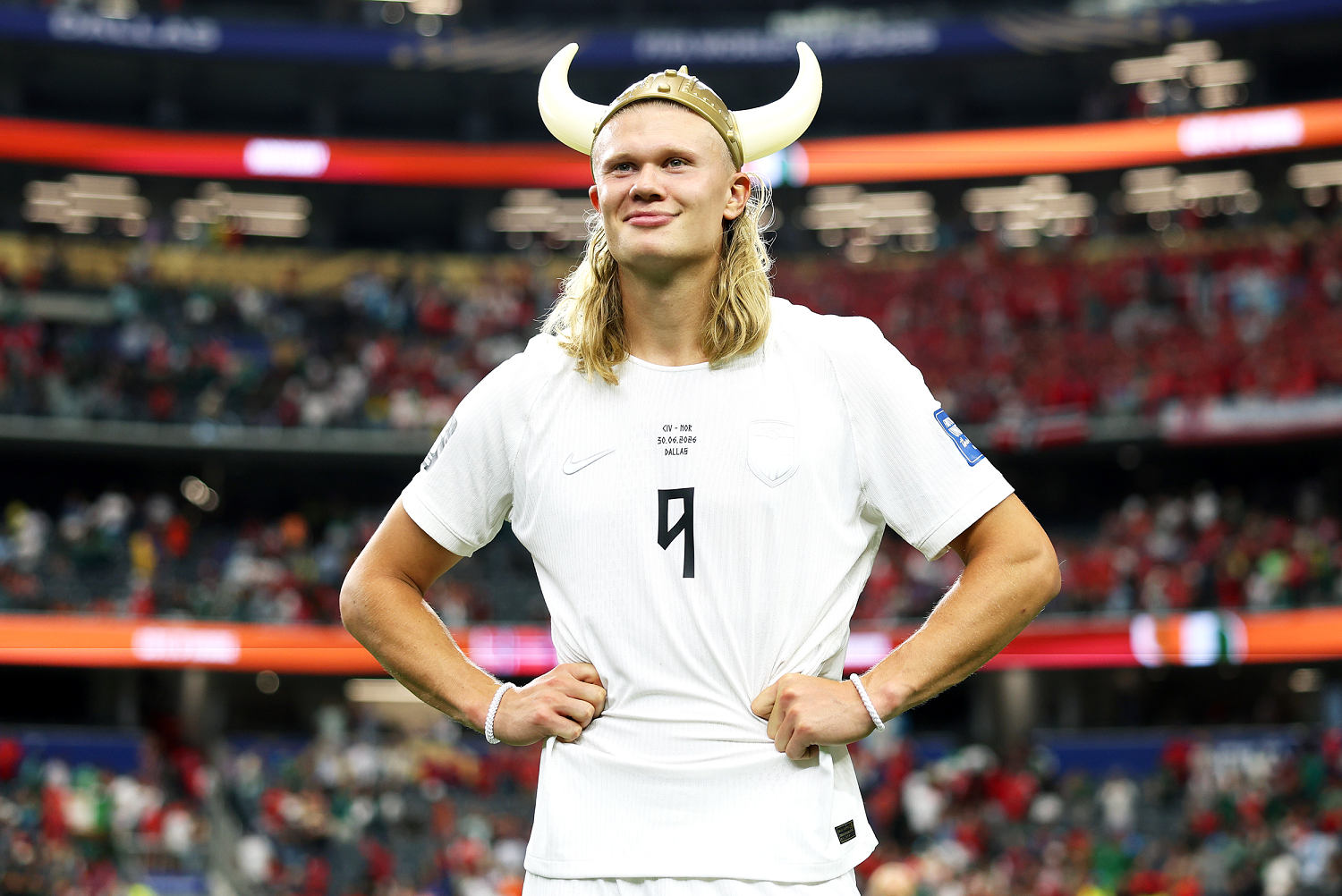
To understand why Chinese fans adopted Haaland, one must look past his goal-scoring statistics. The traditional European football icon is sleek, carefully manicured, and corporate. Think David Beckham or Cristiano Ronaldo. Haaland is the antithesis of this aesthetic. He is a towering, pale Nordic giant with a chaotic mane of blonde hair and an expressive face that defies media training.
Chinese netizens immediately seized on this visual eccentricity. They drew parallels between Haaland and Majin Buu, the pink, erratic antagonist from the legendary anime series Dragon Ball Z. Others pointed out his uncanny resemblance to traditional Chinese folklore characters, specifically the chubby, joyful figures depicted in ancient art as bringers of good fortune.
Traditional Sports Stardom vs. The Ha Bao Phenomenon
| Attribute | Traditional Model (e.g., Ronaldo) | The Ha Bao Model (Haaland) |
| :--- | :--- | :--- |
| *Primary Appeal* | Aspirational perfection, vanity | Relatable absurdity, meme utility |
| *Fan Interaction* | Distant admiration, jersey sales | Digital creation, fan fiction, emoji packs |
| *Market Driver* | Official club PR campaigns | User-generated content, algorithms |
This was not a liability. It was an asset. In a digital environment where young Chinese internet users are exhausted by hyper-curated perfection, Haaland’s raw, unpolished persona offered instant relief. He became a living emoji. When he scowls, screams, or celebrates with Zen-like meditation, his expressions are instantly converted into animated GIFs used by millions of people who have never watched a full ninety-minute football match in their lives.
This is the mechanics of the modern attention economy. A fan does not need to understand the complexities of Pep Guardiola’s tactical system to participate in the Haaland economy. They only need a smartphone and an appreciation for the absurd.
The Void Left by a Decaying Domestic System
The meteoric rise of Haaland’s popularity happened alongside the spectacular collapse of China’s own football infrastructure. A decade ago, the Chinese Super League was spending billions of dollars to lure South American and European stars eastward. Real estate conglomerates poured fortunes into local clubs, hoping to please Beijing and spark a domestic soccer revolution.
That bubble burst with catastrophic force. Corporate bankruptcies, systemic financial mismanagement, and a sweeping anti-corruption investigation left the domestic game in ruins. Former national team managers and high-ranking officials ended up in prison. Clubs folded overnight. Fans were left disillusioned, disgusted, and looking for an escape from the toxic reality of local football.
"The domestic league gave us nothing but heartbreak and scandals," says Zhou Ting, a Beijing-based fan who spent years supporting a now-defunct local club. "Watching Haaland is clean. It is pure athletic excellence mixed with comedy. It requires no emotional risk."
European football stepped into this emotional vacuum, but the nature of the fandom changed. Chinese supporters stopped looking for a team to support for life. Instead, they began looking for individual narratives that offered high-octane entertainment and zero political baggage. Haaland fits this criteria perfectly. Norway is not a geopolitical rival, and Manchester City’s state-backed ownership model ensures a level of stability and success that guarantees a steady stream of dopamine for glory-hunting supporters.
The Safe Superstar in a Minefield of PR Catastrophes
For international brands and sporting entities operating in China, the celebrity landscape is treacherous. A single misplaced comment, an unapproved political stance, or a perceived snub can destroy a multi-million-dollar relationship with the market instantly.
Arsenal found this out when Mesut Özil commented on geopolitical matters. Houston Rockets executive Daryl Morey caused a multi-year NBA broadcast blackout with a single tweet. More recently, Lionel Messi faced an unprecedented wave of fury from Chinese fans after sitting out a pre-season friendly in Hong Kong due to injury, only to play in Japan days later. The backlash was severe, leading to canceled national team matches and a massive loss of commercial goodwill.
Haaland represents the ultimate low-risk asset. He is notoriously monosyllabic in interviews. His public statements are confined to basic platitudes about winning, scoring, and teamwork. He has no public interest in global politics, social commentary, or controversial philosophy.
This blank slate allows Chinese consumers and corporate sponsors to project whatever narrative they want onto him. To Gen-Z women on Xiaohongshu, he is a cute, clumsy giant who loves milk and sleeps with his match balls. To hardcore male fans on Hupu, he is the ultimate cyborg striker destined to shatter every record in existence. He is everything to everyone, precisely because he says almost nothing.
Algorithmic Distribution and the Death of Traditional Fandom
The traditional way of building a fan base overseas involved selling broadcast rights to national television networks. You hoped the games were scheduled at a reasonable hour. In China, Premier League matches often kick off well past midnight, creating a natural barrier to entry for the casual observer.
The modern fan does not stay up until 3:00 AM to watch Manchester City grind out a tactical victory against a low block. They consume the match the next morning through a series of five-second highlights, slow-motion replays, and fan-edited reaction videos on Douyin.
This structural shift has changed what makes a player valuable. A midfielder who controls the tempo of a game with ninety precise passes is invisible on a short-form video platform. A striker who leaps six feet into the air to karate-kick a ball into the top corner is gold. Haaland’s entire style of play is tailor-made for the smartphone screen. His goals are explosive, visually striking, and easily digested in the span of a single swipe.
Manchester City’s digital media team understood this transition earlier than most. Instead of fighting user-generated content, they leaned into it. They began feeding the Chinese internet with behind-the-scenes footage that emphasized Haaland’s eccentricities, his interactions with teammates, and his genuine bewilderment at his own fame. They stopped selling Manchester City as a historic institution from the north of England. They started selling it as a premium content studio starring Ha Bao.
The Reality of the Commercial Return
While the cultural impact of the Ha Bao phenomenon is undeniable, a glaring disconnect remains between digital engagement and financial return. Millions of likes on a social media post do not automatically translate into British pounds or Chinese yuan.
The Chinese market is notoriously difficult to monetize directly through traditional sports channels. Authentic replica shirts are prohibitively expensive for the average student, and the market is flooded with high-quality counterfeits that look identical to the official product. Paid streaming subscriptions face constant competition from pirate streams that evade state firewalls with ease.
Instead, the true value of Haaland’s Chinese popularity lies in corporate partnerships. Domestic tech giants, smartphone manufacturers, and beverage brands are eager to associate themselves with a figure who commands the undivided attention of the youth demographic. By securing Haaland as a brand ambassador, these companies can bypass the traditional, stale marketing channels and inject themselves directly into the meme stream.
This creates a strange, cyclical ecosystem. A Norwegian athlete plays football in Manchester, funded by capital from the UAE, while his digital likeness is manufactured into internet memes by fans in Chengdu, ultimately used to sell milk or smartphones for a conglomerate in Shenzhen.
The phenomenon of Ha Bao is not an accident of internet culture. It is the logical conclusion of a globalized sports industry that has divorced itself from local geography and reassembled itself within the confines of the mobile algorithm. The fans in China do not love Manchester City because of its history or its community. They love the character they helped create.
The modern superstar is no longer just an athlete. They are a decentralized digital franchise owned as much by the fans who remix them as the clubs that pay their wages. Haaland’s success in China proves that in the future of global sports entertainment, being a great player is only half the battle. You must also be an excellent meme.