Ink is cheap. Memory is expensive.
Every autumn, the air changes its weight. The light turns brittle, casting long, bruised shadows across suburban lawns and city sidewalks alike. For anyone old enough to remember watching the sky turn the color of slate on a Tuesday morning in September, the calendar is not merely a sequence of dates. It is a minefield.
You remember the smell of jet fuel hanging over New York Harbor. You remember the silence of the television screens. You remember the sheer, staggering disbelief of watching concrete and steel fold in upon themselves like paper.
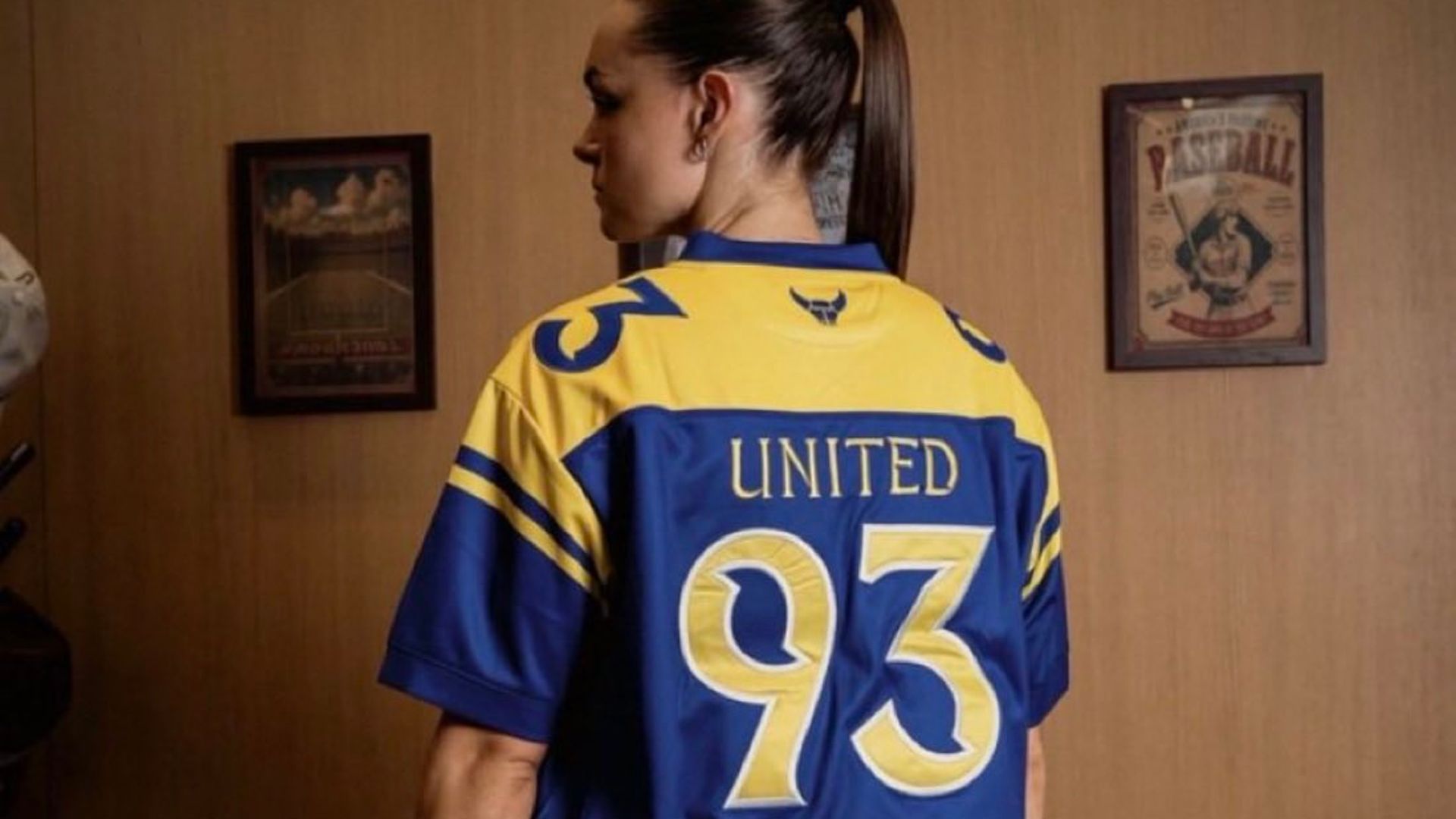
So when a football club—an institution built on community, tribal belonging, and shared history—approves a clothing line featuring aircraft imagery, release dates that brush against the anniversary of September 11th, and marketing copy that blithely invokes flight, the collision isn't just unfortunate. It is an indictment of modern institutional amnesia.
The public reaction was swift, visceral, and unsparing. Within hours of the launch, the digital storefronts were scrubbed. Apologies were issued. Statements were drafted about sensitivity, respect, and deep regret. But the fundamental question remains hanging in the smoke: How did nobody in the room stop it?
The Architecture of Blindness
To understand how a major sports club stumbles into a PR disaster of this magnitude, you have to look inside the corporate machinery that runs modern athletics.
Boardrooms are insulated chambers. They are filled with spreadsheets, global distribution targets, quarterly revenue projections, and mood boards designed by twenty-four-year-olds who were toddlers when the Twin Towers fell. To a millennial or Gen Z designer sitting in a high-rise office in London, Manchester, or Madrid, September 11th is a historical event. It occupies the same mental shelf as the fall of the Berlin Wall or the launch of the internet. It is a paragraph in a textbook, not a scar on the soul.
Imagine the pitch meeting. The brand team presents the new autumn streetwear collection. The mood board is dark, moody, industrial. It features vintage aviation graphics, bomber jacket silhouettes, and retro typography. It looks cool. It fits the current aesthetic of terrace fashion.
"Edgy," someone murmurs.
"Urban," says another.
"It speaks to the youth demographic," nods a third.
Nobody mentions the date. Nobody cross-references the launch schedule with the collective trauma of millions of supporters across the Atlantic and around the globe. The calendar is viewed merely as a slot for inventory turnover, not as a river of living history.
This is what happens when organizations scale past the point of human memory. They become engines optimized for output, stripped of intuition. They mistake data points for human beings.
The Weight of a Crest
Football clubs are different from tech startups or fast-fashion conglomerates. They are not selling widgets. They are selling identity.
When a supporter pulls a scarf over their neck or tugs on a replica shirt, they are engaging in an act of faith. They are anchoring themselves to a place, a neighborhood, a lineage of grandparents and grandchildren who stood on the same terraces in the rain. That badge on the chest represents something sacred—continuity.
That is why missteps by sports clubs sting worse than corporate blunders elsewhere. When a clothing brand makes a tone-deaf ad, we groan and scroll past. When a football club stumbles into the realm of profound historical insensitivity, it feels like a betrayal of the tribe. It feels as though the people steering the ship do not know where they are, let alone where they are going.
Football is global now. A Premier League or European club has fans in Tokyo, New York, Lagos, and São Paulo. This hyper-globalization is a financial triumph, but it is a cultural hazard. In trying to appeal to everyone everywhere, clubs often strip away the local wisdom that kept them grounded for a century. They become placeless corporations operating in a digital vacuum.
When you lose your connection to place, you lose your connection to time. And when you lose your connection to time, you forget that some dates are sacred.
The Anatomy of the Pullback
The removal of the clothing line was inevitable. In the age of social media, digital outrage acts as a tripwire. Within minutes of the first promotional images hitting X, formerly known as Twitter, the backlash ignited.
Screenshots were captured. Comparisons were drawn. The outrage was not manufactured; it was organic, driven by the quiet fury of people who wondered how a multi-million-pound organization could be so profoundly, breathtakingly lazy.
The club's crisis management protocol kicked into gear with predictable mechanical precision. Statements were drafted by lawyers and PR consultants. Words like "oversight," "regret," and "unintentional" were deployed like sandbags against a rising flood. The products vanished from the online store. The promotional posts were deleted. The digital footprint was sanitized as quickly as humanly possible.
Crisis averted, right?
Not quite.
The items are gone, but the exposure remains. The incident exposes a chronic vulnerability in modern brand management: the outsourcing of cultural intelligence. Clubs hire agencies to design their streetwear, market their lifestyle brands, and capture the youth market. These agencies are rewarded for being bold, provocative, and fast. Caution is the enemy of cool.
Yet, in their quest to be cutting-edge, they skipped the most fundamental filter of all: basic human empathy.
What We Talk About When We Talk About 9/11
Why does a football club's clothing line touching on 9/11 anniversary dates provoke such an intense reaction, even decades later?
Because trauma does not have an expiration date.
For the families of the victims, every September brings a fresh wave of grief that no calendar can soften. For the firefighters, police officers, and rescue workers who carried the weight of that day in their lungs and their minds, the anniversary is not a historical marker; it is a physiological memory. Their hearts still race when the air turns crisp in September.
When a commercial enterprise attempts to capitalize—even inadvertently—on the aesthetic collateral of that era, it feels like a violation of a quiet truce. We have agreed, as a global society, to treat those memories with a measure of solemnity. We do not use the imagery of catastrophe to sell tracksuits.
It is not political correctness to point this out. It is basic human decency. It is recognizing that some lines are drawn not by laws, but by reverence.
The Quiet Aftermath
As the news cycle churns forward, the offending clothing line will be forgotten by next week, replaced by a new transfer rumor, a controversial referee decision, or a dazzling Champions League goal. The club will resume its relentless march toward the next fixture, the next commercial partnership, the next global campaign.
Yet, somewhere in a warehouse, boxes of unreleased merchandise sit gathering dust—silent monuments to a corporate miscalculation.
Perhaps that is the takeaway we need to hold onto. In our rush to monetize every square inch of cultural space, we occasionally hit a wall hard enough to remind us that we are human. We are fragile. We remember.
The calendar will turn again next year. September will bring its crisp air, its amber light, and its ghosts. Hopefully, the people running our cultural institutions will look up from their spreadsheets, feel the chill in the wind, and remember that some things are bigger than the brand.