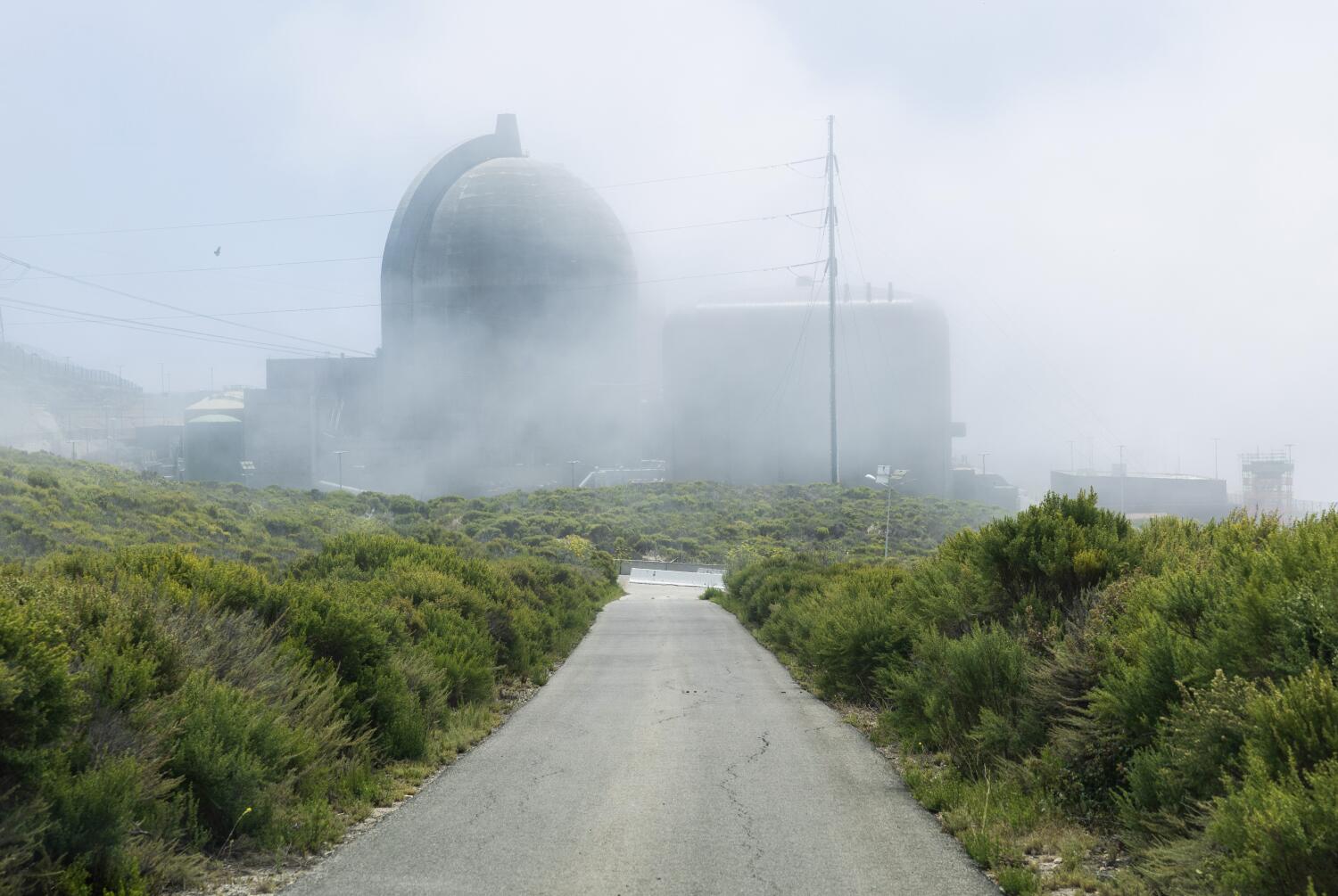
For years, California took a hard line against nuclear power. Politicians wanted reactors shut down, activists cheered the phase-outs, and the state marched confidently toward a renewable-only grid fueled entirely by solar, wind, and batteries.
Then reality hit.
Rolling blackouts, surging electricity rates, and an overloaded transmission network forced state leaders to pump the breaks. Suddenly, closing down reliable baseload generation didn't look like environmental heroism anymore. It looked like a fast track to grid collapse.
California didn't just reconsider its nuclear exit. It executed a massive, quiet about-face that rewrote the state's energy playbook. If you want to understand how a state can go from banning new nuclear plants to desperately paying to keep old ones alive, you have to look past the political posturing and examine the math.
The Diablo Canyon U-Turn
The clearest proof of this shift sits on the rugged central coast. Diablo Canyon is California's last operating nuclear power plant. Back in 2018, state regulators, environmental groups, and Pacific Gas and Electric (PG&E) struck a deal to shutter its twin reactors by 2025.
The plan assumed offshore wind and massive battery storage farms would seamlessly pick up the slack.
It didn't work out that way. Building transmission lines across California takes decades. Offshore wind projects hit regulatory and supply chain snags. Meanwhile, summer heatwaves strained the grid to its absolute limit, threatening air conditioning for millions of residents.
Governor Gavin Newsom and state lawmakers realized they had a massive reliability gap on their hands. In late 2022, the state legislature passed Senate Bill 846, extending Diablo Canyon’s operations through at least 2030. The state even backed a multi-billion-dollar federal loan to keep the plant humming.
Diablo Canyon produces roughly nine percent of California’s total electricity and nearly seventeen percent of its zero-carbon energy. Shutting it down early would have forced the state to rely heavily on natural gas to keep the lights on during peak demand hours, spiking greenhouse gas emissions in the short term.
The Math Behind the Baseload Problem
Green energy advocates love wind and solar. They're cheap, clean, and endlessly renewable. But they have one fatal flaw: intermittency.
The sun sets when people come home from work, crank up their AC, and turn on their ovens. That exact window is when grid operators panic. Battery storage helps, but lithium-ion batteries are currently built for short-term fixes, handling four-hour bursts of energy, not multi-day lulls in wind and sun.
Nuclear power doesn't care about the weather. It runs twenty-four hours a day, seven days a week, churning out steady power regardless of cloud cover or wind speeds.
When you strip that baseload power out of a grid without an identical replacement ready to go, grid operators face two choices: burn fossil fuels or accept blackouts. California chose to keep the nuclear reactors running rather than risk widespread power failures.
What Critics Miss About Nuclear Costs
Opponents of nuclear energy always point to the same argument: it's too expensive. They look at cost overruns at new construction projects like Vogtle in Georgia and argue that nuclear is a financial black hole.
They're right about new builds. Constructing a brand-new nuclear plant from scratch in the United States is notoriously slow and plagued by regulatory delays.
Keeping an existing plant running is a completely different financial animal.
Operating a licensed plant that is already built and paid for is significantly cheaper than building replacement renewable infrastructure plus the massive battery arrays required to firm up intermittency. California didn't finance a new reactor at Diablo Canyon; it paid to maintain and upgrade the hardware that was already generating clean power.
The Ripple Effect on Energy Policy
California's pivot changed the national conversation. Other states watching California stumble through its energy transition took notes. New York previously shut down Indian Point, only to watch local fossil fuel usage spike. Michigan fought to save the Palisades nuclear plant, securing federal funding to bring it back online after it had already begun decommissioning.
When the most aggressively green state in the country decides it cannot afford to lose its nuclear fleet, the ideological taboo against splitting atoms starts to crack.
Energy planners across the country are dropping the hostile rhetoric toward nuclear power. Advanced nuclear designs, including small modular reactors, are suddenly receiving bipartisan attention and venture capital backing. People realize that hitting net-zero carbon goals without nuclear is like trying to run a marathon with one shoe.
What This Means Moving Forward
If you're watching the energy sector, don't expect California to start building new nuclear plants tomorrow. The regulatory hurdles and cost barriers in that state remain impossibly high.
What you will see is a quiet extension of life for existing assets across the board. Policymakers are prioritizing grid reliability over rigid ideological purity.
Assess your own energy assumptions if you work in tech, manufacturing, or real estate development. Power availability is no longer a given. Grid constraints will dictate where industrial projects happen and how much electricity costs. Keep a close eye on state-level utility decisions rather than high-level political speeches. Look at where the funding goes, not what the press releases promise.
California tried to engineer a nuclear-free future and blinked when the grid pushed back. The lesson is simple. Physics and engineering always win over political ideology in the end.


