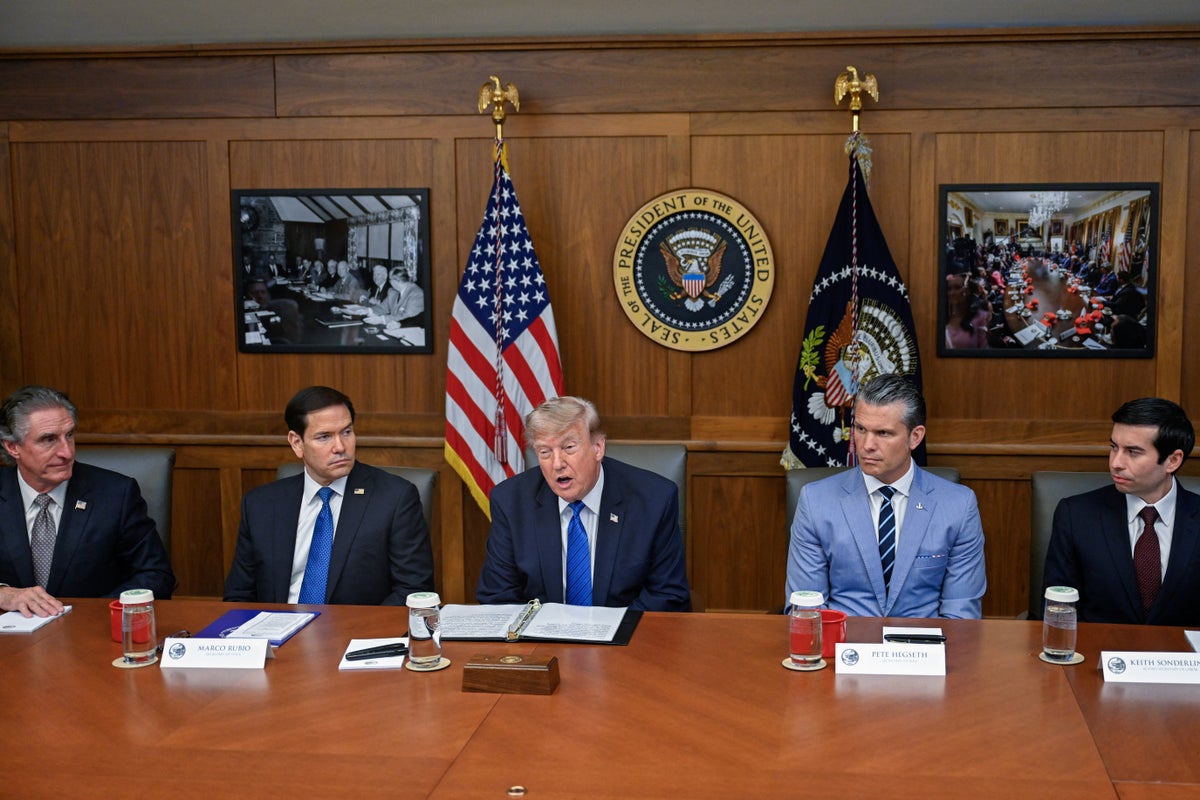
The media narrative writes itself because the pressCorps is lazy. Every time a political operation gathers at a historic retreat, the mainstream punditry reaches for the exact same script: panic, infighting, and impending doom. When coverage surfaced of a Camp David strategy session framing Donald Trump as cornered and anxious ahead of midterms, it fit the established comfort zone of institutional journalism.
It is also entirely backwards.
I have spent two decades watching political strategy rooms melt down over imaginary crises while missing the structural mechanics actually driving voter behavior. The conventional wisdom treats a private cabinet alignment session as a sign of weakness. That premise assumes governing elites panic over the exact same things ordinary voters care about. They do not. What headline writers mistake for desperation is usually a deliberate recalibration of conflict.
Let us dismantle the lazy consensus piece by piece.
The Myth of the Defensive Huddle
The core argument of the panic narrative relies on optics. Cabinet officials gathered at a secluded presidential retreat means they are circling the wagons. The media reads this as a defensive posture.
That is an amateur reading of political power dynamics.
When an administration pulls its principals off the road and into a secure, off-the-record facility, they are not hiding. They are locking down message discipline. They are stripping away the daily noise of Washington leaks to brutalize their own internal data. I have watched campaigns blow millions on public relations firefighting while ignoring the structural gravity of their actual policy position. A serious team goes dark precisely when they are tightening the screws on a offensive strategy, not when they are folding under pressure.
The media wants you to believe that closed doors equal fear. The truth is that public transparency in politics is almost always a form of weakness—a desperate plea for favorable coverage. Real power operates behind closed doors, away from microphones, hashing out exact execution details.
Why Midterm Panic is a Distraction
Every midterm cycle follows a predictable emotional arc for political reporters. The party in power is supposed to panic over historical trends. The out-party is supposed to measure the drapes.
This framework ignores the actual mechanics of modern polarization.
Midterms are no longer referendum votes on the party holding the executive branch in the traditional sense. They are turnout engines fueled by grievance, economic friction, and localized institutional distrust. Voters do not walk into a voting booth thinking about cabinet meetings at Camp David. They think about grocery receipts, fuel costs, and whether their kids can afford a mortgage.
If a political camp is arguing over strategy behind closed doors, they are trying to solve a positioning problem before the opposition can weaponize it. Calling that desperation is like calling a football team in a huddle exhausted. It betrays a fundamental misunderstanding of what preparation looks like.
The Danger of Mistaking Friction for Fractures
Another favorite trope of the panicked-cabinet narrative is internal division. Anonymous sources always leak tales of sharp elbows, clashing egos, and ideological civil wars inside these retreats.
Here is the operational reality of high-level political teams: if everyone in the room agrees on everything, the operation is already dead.
Real strategy requires friction. When you cram aggressive policy architects, pragmatic pollsters, and media operatives into a room, sparks fly. If they were smiling and nodding at each other, that would be the genuine crisis. Disagreement is the friction that polishes a blunt instrument into a sharp edge.
The media frames internal friction as a sign of a collapsing coalition. In functional political operations, it is the exact opposite. It is stress-testing the narrative against reality before the voters do it for you.
The Downside of the Contrarian Bet
Let us be entirely transparent about the risk here. Betting against the mainstream narrative of administrative panic carries its own hazard.
Sometimes, a campaign actually is falling apart. Sometimes, the leaks are not tactical posturing, but genuine distress signals from staffers looking for a life raft. The danger of taking the contrarian stance is that you can sound apologetic for a failing machine.
I admit the vulnerability of this view: it assumes a level of strategic competence that political actors frequently fail to possess. Plenty of cabinets are populated by lightweight sycophants who panic at the first hint of bad polling.
Yet, looking at the structural incentives of the players involved, treating a planning session as a sign of collapse is a rookie mistake. It assumes the people running these machines are reacting to the news cycle the same way the people writing the news cycle do. They aren't. They are playing a completely different game with entirely different rules.
The Real Question You Should Be Asking
Instead of asking whether leadership is scared in a mountain retreat, look at what they do when they come back down the mountain.
Watch the legislative focus. Watch the enforcement priorities. Watch where the campaign dollars start flowing over the next forty-eight hours. That is where the truth lives.
Stop reading the tea leaves of anonymous leaks designed to manipulate the stock price of political punditry. Look at the mechanics.
Panic makes for great headlines. It makes for terrible analysis.
The next time a headline tells you a political camp is trembling behind closed doors, remember one simple rule. The people who are truly terrified are the ones whose jobs depend on you believing the spin.