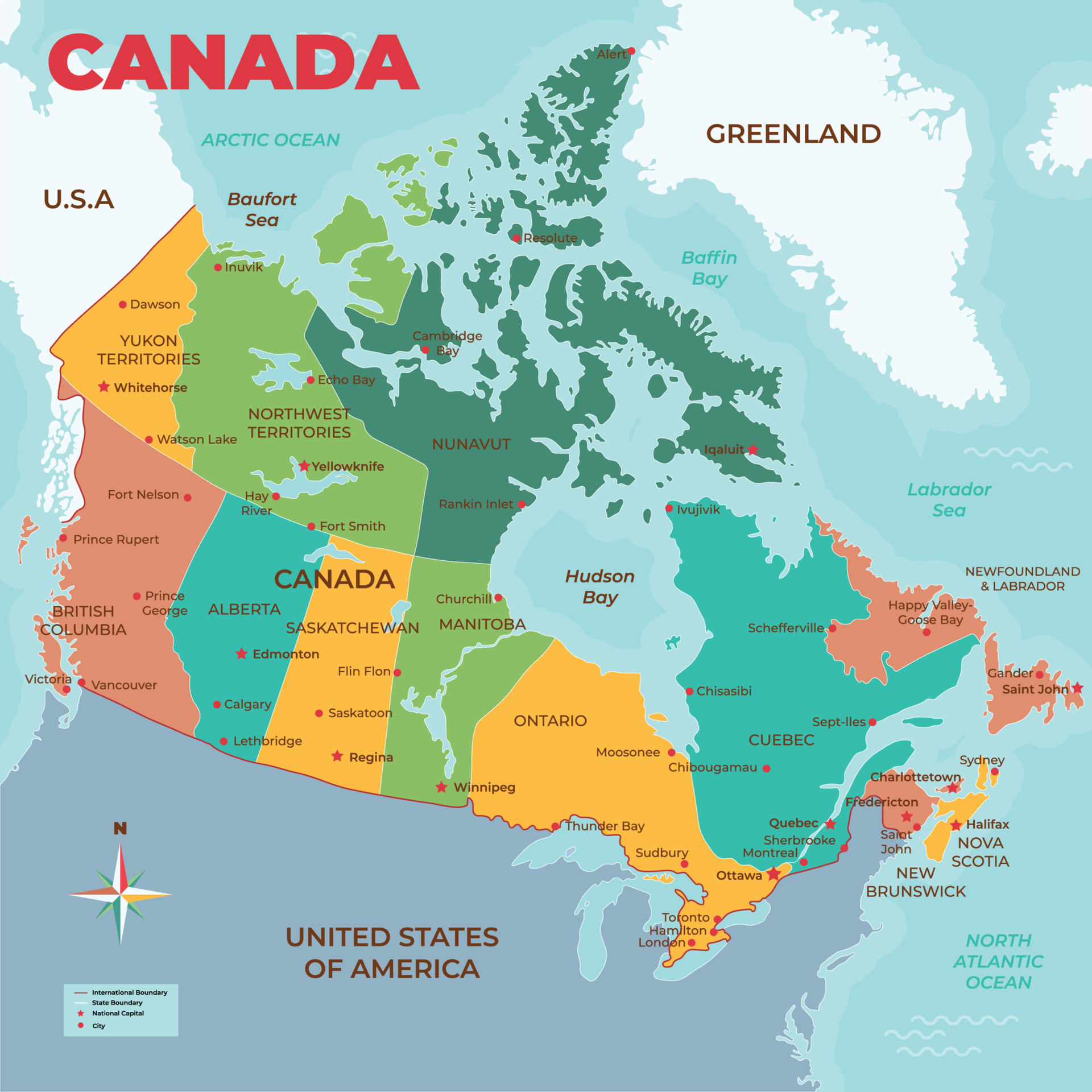
Trade wars make for great headlines, but lazy analysis makes for terrible policy. Every time tensions flare between Washington and Ottawa, a predictable chorus emerges from the commentariat. They dust off the old map, point across the Atlantic, and suggest that Canada can simply pivot away from its North American anchor and find safe economic harbor in the European Union. Mark Carney visits Europe, and the pundits hyperventilate about a transatlantic rescue mission.
It is a comforting delusion. It is also completely detached from the hard laws of economic geography.
I have spent two decades advising multinational supply chains through geopolitical realignments, and I can tell you flatly that trying to substitute the American consumer base with European bureaucracy is like trying to fuel a jet engine with damp firewood. The lazy consensus assumes that trade is purely a matter of political will, as if two jurisdictions can sign a parchment, swap ambassadors, and instantly replicate integrated cross-border manufacturing supply chains built over a century.
Geography remains undefeated.
The Logistics Trap Nobody Wants to Talk About
Look at how physical goods actually move. A car manufactured in Ontario crosses the Detroit or Windsor border multiple times during its assembly process, powered by integrated supply chains that operate on hours-long inventory windows. Try replicating that fluid velocity across an ocean. Shipping heavy machinery, automotive components, and perishable energy products from Halifax to Rotterdam incurs freight costs, carbon penalties, and transit delays that instantly erode any theoretical margin gained by dodging American tariffs.
Proponents of the European pivot point to the Comprehensive Economic and Trade Agreement like it is a magical bypass valve. CETA reduced tariffs, sure. But utilization rates for the agreement remain stubbornly mediocre because tariffs are rarely the primary friction in international trade. Regulatory compliance costs, currency volatility, and cultural distance create invisible walls that paperwork cannot scale.
When a Canadian producer tries to sell into Frankfurt or Paris, they run straight into a wall of stringent domestic preferences, language barriers, and entrenched local supply chains. European industrial buyers do not care about geopolitical solidarity when they are sourcing precision components; they care about lead time, liability, and local support.
The Capital Markets Reality Check
Money goes where it is treated best, and Canadian capital has always treated the United States as its primary playground for a reason. Wall Street speaks the same regulatory dialect, shares the same legal foundations, and offers liquidity depths that European markets simply cannot match.
When Canadian firms scale, they list on American exchanges or acquire American targets. They do this because the American market offers scale, speed, and appetite for risk. Europe, by contrast, remains heavily fragmented along national lines, over-regulated, and risk-averse. Europe is where capital goes to retire in safety-first sovereign bonds and compliance-heavy legacy industries; North America is where capital goes to compound.
Pretending that Canada can decouple its financial arteries from the United States is economic illiteracy. Our banking sector is deeply integrated with Wall Street, our pension funds are major stakeholders in American infrastructure, and our venture ecosystem feeds directly into Silicon Valley and Boston. Severing that connection for the sake of ideological alignment with Brussels would trigger a financial contraction that would make a routine trade dispute look like a mild spring breeze.
Energy Realities And The Pipe Dream of Diversification
Consider the energy sector, the ultimate trump card in Canadian wealth generation. For years, politicians have promised that Canada can diversify its oil and gas exports away from the captive American market by building pipelines to coasts and shipping liquefied natural gas to Europe.
The physics of this argument collapse under basic scrutiny. Canada produces landlocked hydrocarbons that are overwhelmingly optimized for the complex heavy-oil refineries of the United States Gulf Coast and Midwest. Re-routing millions of barrels of crude across the Atlantic requires massive maritime logistics infrastructure, multi-billion-dollar liquefaction plants, and competitive pricing against suppliers in the Middle East and the United States Gulf Coast who enjoy much shorter transit routes to European ports.
Europe wants Canada's green transition minerals, not because they love us, but because they are desperate to replace Chinese supply chains without destroying their own industrial base. But mining critical minerals requires power, permitting, and capital—three things Canada is currently choking off through regulatory paralysis and internal trade barriers. Before we talk about supplying Europe with lithium and nickel, we should figure out how to build a mine in our own backyard without spending a decade in environmental courtrooms.
The Real Question We Should Be Asking
The mainstream conversation asks whether Canada can find refuge in the EU. That question is a trap designed to comfort politicians who want to look decisive while avoiding the hard structural reforms required at home.
The question we should be asking is why Canada's productivity growth has flatlined to the point where a single American election cycle sends our ruling class scrambling across the ocean for a flotation device.
For decades, Canada has relied on geographic proximity to the world's largest economy as a crutch, allowing our corporate sector to neglect R&D, avoid domestic competition, and hide behind regulatory moats. When the Americans squeeze, our reflex is to look for another patron rather than fixing our own economic engine.
Refuge is not found by trading one master for another across a wider ocean. It is forged by building an economy that does not panic when the neighbors rearrange the furniture.
Stop looking for a European savior. Fix the internal barriers that make moving goods between Alberta and Ontario harder than shipping them to Ohio. Unleash domestic energy development, reward risk-taking capital, and stop treating economic policy as a moral beauty contest.
If Canada wants to survive a trade war, the answer is not in Brussels. It is in Ottawa, Edmonton, and Toronto, finally waking up to the reality that nobody is coming to save us from our own complacency.


